

Migraine Management: Targeted Gonstead Chiropractic Treatment in Ringwood
Are you struggling with recurring migraines? Learn the causes, symptoms, and how targeted Gonstead chiropractic care in Ringwood may assist in managing your nerve discomfort.
1. Introduction
Migraine is far more than a simple headache; it is a disabling neurological disorder with a profound national impact. It is estimated that approximately 4.9 million people in Australia—over 20% of the population—live with migraine. The majority of sufferers (86%) are of working age, leading to significant productivity loss and disability.
The debilitating pain, often accompanied by severe light and sound sensitivity, drives many Australians to seek comprehensive professional assistance. While medical management focuses on acute and prophylactic medication, people increasingly look for effective non-pharmacological approaches to address the root causes and physical co-factors of their condition. Chiropractic practitioners play a vital role in assessing the often-overlooked musculoskeletal components—specifically neck dysfunction—that can trigger or aggravate migraine attacks. Evidence suggests that Spinal Manipulative Therapy (SMT) may have an effect comparable to some commonly used prophylactic prescription medications in reducing the frequency and intensity of migraine attacks. This article explores the nature of migraine and outlines why targeted Gonstead chiropractic treatment, integrated within a multimodal care strategy, is highly recommended as an optimal, precision-based, non-invasive option to assist in symptom management and long-term functional improvement.
2. What is a Migraine?
Migraine is classified as a primary headache disorder characterized by recurrent attacks that can be profoundly disabling.
Anatomy and Neurophysiological Basis
Migraine pain originates from a complex neurological cascade involving the neuropeptide Calcitonin Gene-Related Peptide (CGRP). CGRP levels increase significantly during an attack, leading to the vasodilation of blood vessels and neurogenic inflammation, which sensitises pain receptors and culminates in the debilitating headache.
The critical link between the migraine process and the neck lies in the Trigeminocervical Nucleus (TCN). This is a sensory relay centre in the upper cervical spinal cord that acts as a convergence point for pain signals from both the head (via the Trigeminal nerve) and the upper neck joints and muscles (via C1–C3 nerves). When mechanical dysfunction (stiffness, restricted movement) occurs in the C1–C3 region, the resulting aberrant sensory signals feed into the TCN, leading the brain to misinterpret the neck problem as referred pain in the head, potentially triggering or exacerbating a migraine attack.
Prevalence and Burden in Australia
Migraine is one of the leading causes of disability burden globally. In Australia, high disability rates are reported, with 86% of chronic migraine sufferers reporting moderate-to-severe disability. This high prevalence in the working population underscores the critical importance of effective, integrated management strategies that focus on improving quality of life and productivity.
3. How Does the Condition Happen?
Migraine is a complex neurological disorder influenced by a wide array of genetic, environmental, and physical factors.
The Neurochemical and Biomechanical Pathway
The primary neurochemical driver is the CGRP mechanism, which promotes neurogenic inflammation during an attack. However, the initiation or aggravation of this process is often linked to external and internal triggers:
- Musculoskeletal Co-factors: Restricted movement or sustained muscle tenderness in the C1–C3 cervical segments is a significant co-factor. This biomechanical dysfunction contributes abnormal sensory input to the TCN, facilitating central hypersensitivity and making the system more vulnerable to attacks.
- Triggers: Attacks are commonly precipitated by factors that disrupt the body’s equilibrium, including high levels of stress, fatigue, poor sleep hygiene, hormonal fluctuations (in women), and dietary triggers (e.g., alcohol, caffeine, skipping meals).
Lifestyle and Postural Causes
While the core issue is neurological, lifestyle factors often increase the frequency and severity of attacks:
- Sustained Posture: Prolonged sitting or desk work can lead to chronic tension in the upper neck and shoulder muscles (suboccipitals, upper trapezius), increasing nociceptive input to the TCN.
- Physical Activity and Obesity: Low levels of physical activity and an increased Body Mass Index (BMI) are recognized risk factors associated with a higher prevalence and frequency of migraine.
4. Who Does It Happen To?
Migraine is highly prevalent among the working population and exhibits a gender disparity.
Typical Demographics and Risk Factors
- Gender and Age: Migraine disproportionately affects women (71% of sufferers) and is most common in individuals of working age (86% of sufferers are 18-65).
- Physical Stressors: Individuals with pre-existing neck or spinal stiffness are more likely to manage a high migraine caseload, indicating a strong link between spinal health and headache activity.
- Psychosocial Risk Factors: High levels of stress, anxiety, and depression are strongly associated with higher headache impact and may contribute to the chronification of the condition.
5. Symptoms and Impact
Migraine attacks are characterized by a set of intense, often debilitating symptoms that significantly impair function.
Hallmark Symptoms
Migraine attacks commonly include:
- Pulsating, throbbing, or pounding pain, often moderate to severe in intensity.
- Unilateral location (on one side of the head).
- Duration of 4 to 72 hours (untreated).
- Associated features such as nausea, vomiting, or sensitivity to light (photophobia) and sound (phonophobia).
- Aura: Approximately 25% of sufferers experience an aura, which is a transient neurological symptom (often visual disturbances) occurring before or during the headache phase.
Urgent Medical Warning Signs (Red Flags)
While migraine is a benign primary condition, practitioners must screen for rare, serious causes of headache (secondary headaches). Immediate medical attention is required for any of the following “Red Flags” :
- Thunderclap Headache: A sudden, severe onset of pain (worse than any previous headache).
- New Neurological Signs: Focal weakness, difficulty speaking, or double vision.
- Headache with Fever/Stiff Neck: Suggestive of potential infection (e.g., meningitis).
- Headache with Postural Change: Exacerbated by coughing, sneezing, or straining.
6. How to Help / First-Line Interventions
Non-pharmacological strategies and lifestyle modifications are consistently cited as essential first-line interventions for migraine prophylaxis, complementing any medical treatment.
Lifestyle and Symptom Modification
- Trigger Management: Utilizing a headache diary to identify and avoid known triggers such as specific foods, alcohol, caffeine, or skipped meals.
- Exercise and Activity: Regular, moderate-intensity aerobic exercise (recommended at 30–50 minutes, three to five days a week) is supported as a prophylactic measure, improving sleep and modulating pain processing pathways.
- Sleep Hygiene and Stress Management: Maintaining consistent sleep patterns and incorporating relaxation strategies (e.g., Progressive Muscle Relaxation, CBT) are crucial, as stress and poor sleep are major triggers.
- Ergonomics and Posture: Modifying the workstation setup to reduce strain on the cervical spine is necessary to manage the musculoskeletal contribution to pain.
7. Other Treatments or Proven Interventions
Effective migraine management requires a multi-faceted approach involving pharmaceutical, psychological, and physical therapies.
Pharmacological and Specialist Options
- Acute Medications: Used to stop an attack once it begins. These include over-the-counter NSAIDs (Non-Steroidal Anti-Inflammatory Drugs) and specific agents like triptans.
- Prophylactic Medications: Used daily to reduce the frequency and severity of attacks. These traditionally include certain antidepressants (e.g., amitriptyline), antihypertensives (e.g., beta-blockers), and anti-seizure medications (e.g., topiramate).
- Newer Therapies: Modern prophylactic treatments specifically target the CGRP pathway, such as CGRP monoclonal antibodies (MABs) and gepants, offering high specificity for the neurological mechanism.
- Invasive Procedures: Specialist nerve blocks or botulinum toxin injections may be used for patients with chronic migraine unresponsive to oral medications.
Allied Health Support
- Psychological Therapies: Cognitive Behavioral Therapy (CBT), relaxation techniques, and biofeedback are highly supported psychological interventions that assist patients in managing stress and minimizing headache impact.
- Acupuncture and Massage Therapy: Systematic reviews suggest that adding acupuncture to symptomatic treatment may reduce the frequency of migraine attacks, with an effect that may be comparable to prophylactic drug therapy and associated with fewer adverse effects. Massage therapy has also been shown to reduce migraine frequency in some studies.
- Dietitian Support: Nutritional guidance from a dietitian can help identify dietary triggers and implement beneficial dietary patterns (e.g., low-fat, high omega-3 diets) that may reduce symptoms, especially in complex cases.
8. How Chiropractic Helps
Chiropractic care is positioned as the optimal non-pharmacological, non-invasive method for managing the musculoskeletal co-factors—specifically neck dysfunction—that contribute to migraine activity. Evidence suggests that Spinal Manipulative Therapy (SMT) may have an effect comparable to some commonly used prophylactic prescription medications in reducing the frequency and intensity of migraine attacks.
By addressing the biomechanical component of migraine, chiropractic care aims to reduce the nervous system’s hypersensitivity and improve overall quality of life.
The Chiropractic Assessment Process
A thorough clinical assessment is crucial for accurate diagnosis and exclusion of red flags:
- Detailed Case History: Documenting headache characteristics and triggers.
- Physical Examination: Assessing cervical range of motion and tenderness, and performing specific orthopaedic tests to differentiate between migraine and other headache types (e.g., cervicogenic headache).
- Red Flag Screening: Mandatory screening for neurological emergencies and symptoms requiring specialist referral.
- Imaging: Diagnostic imaging is generally not routinely indicated for acute, uncomplicated headache but may be necessary if red flags are present or if Gonstead X-ray analysis is required to confirm structural findings.
Specific Gonstead Methods for Migraine Management
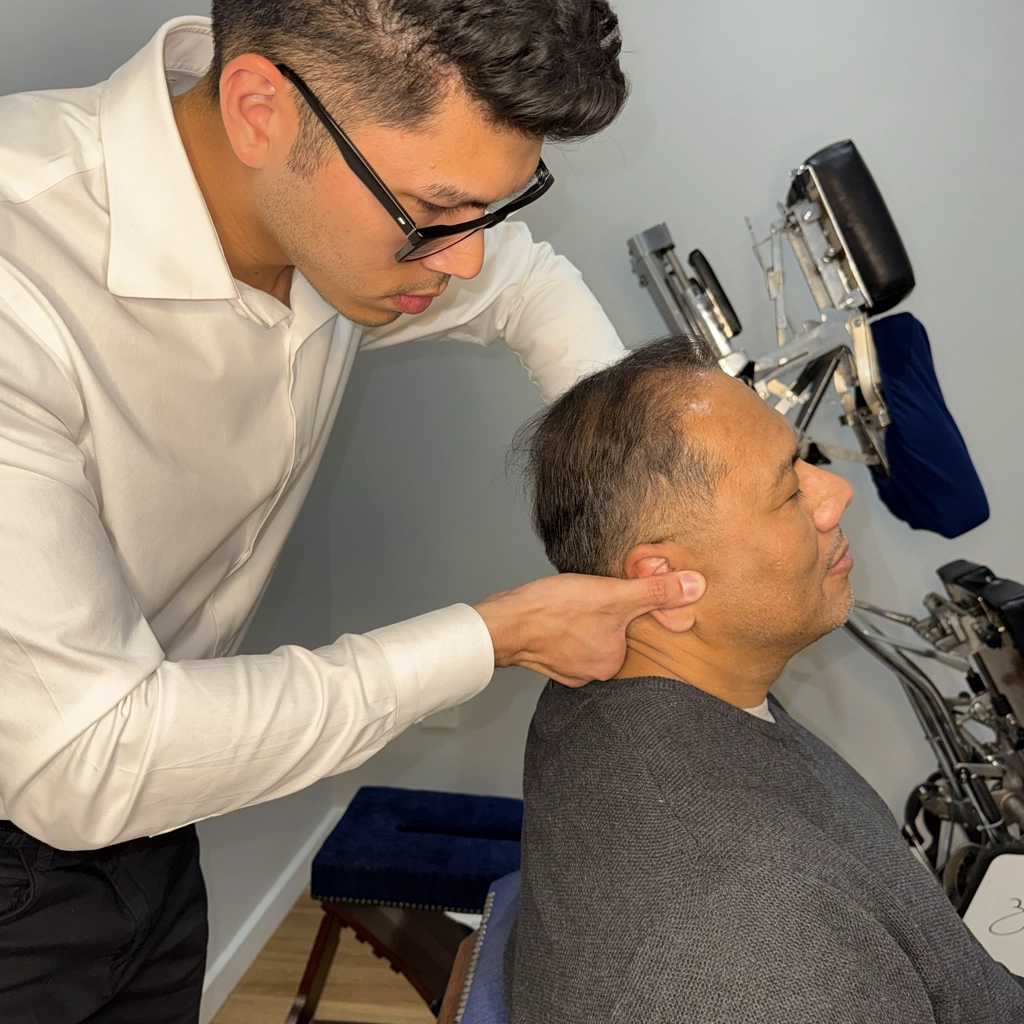
The Gonstead Technique employs a precision-based, structural approach specifically designed to address misalignments in the upper cervical spine (C1–C3), the key anatomical area linked to the TCN migraine pathway.
1. The Gonstead Analysis and Nervoscope
The system relies on a rigorous, five-step analysis to locate the exact segment causing nerve interference (subluxation):
- Instrumentation (Nervoscope): A dual-probe instrument detects uneven heat distributions along the spine, indicative of localized inflammation and nerve pressure at specific segments. This thermal analysis is used to pinpoint the site of maximum neurological irritation.
- X-ray Analysis: Full-spine, weight-bearing X-rays are used to analyze alignment, rotation, and disc health, providing the precise structural detail needed to determine the line of correction.
- Palpation and Visualisation: Static and motion palpation are used to confirm findings of swelling, tenderness, and restricted joint movement.
2. Targeted Gonstead Adjustments
The Gonstead adjustment is a short-lever, high-velocity, low-amplitude (HVLA) thrust, applied with minimal rotation to maximize biomechanical effect on the target segment.
- Mechanism of Action (TCN Modulation): Precise adjustments to the C1–C3 segments are believed to restore normal joint mechanics and proprioceptive input. By reducing the aberrant, amplified sensory signals flowing into the TCN, the adjustment aims to modulate central pain processing and reduce the neck’s contribution to migraine generation.
- Neurophysiological Effect: SMT impacts central processing, potentially influencing central sensitisation and improving sensory-motor integration, which is vital for long-term stability and pain management.
- Specialised Tables: Gonstead uses specific equipment, such as the Cervical Chair, designed to achieve optimal patient positioning for highly specific corrections in the neck region.
By combining precision manual therapy targeting the root biomechanical cause with evidence-based lifestyle advice and co-management, Gonstead chiropractic care offers a highly specific and effective non-pharmacological prophylactic strategy to assist in the long-term management of migraine co-factors.
9. Your Next Steps
Migraine is a chronic condition, but achieving significant relief and reducing the frequency of attacks is a realistic and achievable goal. The first crucial step is obtaining a precise, detailed assessment that investigates both the neurological and biomechanical factors contributing to your pain.
A professional assessment using the precision of the Gonstead system will determine the specific structural issues in your neck that may be aggravating your migraine symptoms and establish a safe and effective plan tailored to your needs. The goal is to move beyond simply treating acute pain toward long-term functional stability.
If you’re in Ringwood or nearby suburbs, our experienced Gonstead chiropractors can help you find relief and restore movement. Book your consultation with Ringwood Chiropractic today.
10. Other Options: Multidisciplinary Care
For optimal results in managing a complex condition like migraine, a collaborative, multidisciplinary approach is essential. Ringwood Chiropractic operates within this framework, recognising that integrated healthcare provides the most comprehensive support.
This collaborative team often includes:
- General Practitioners (GPs): Central to coordinating care, prescribing acute and prophylactic medications, and facilitating specialist referrals.
- Neurologists: Specialists in primary headache disorders who manage complex diagnostic and pharmacological needs.
- Psychologists/Counsellors: Provide essential support through therapies like CBT and stress management, which are highly effective prophylactic strategies.
- Exercise Physiologists: Specialise in designing tailored, moderate-intensity exercise programs crucial for improving overall health and modulating pain pathways.
This integrated approach ensures the patient receives holistic care guided by the best available evidence.
11. References
- AHPRA. (n.d.). Check your advertising: Chiropractic examples. Retrieved from (https://www.ahpra.gov.au/Resources/Advertising-hub/Resources-for-advertisers/Chiropractic-examples.aspx).
- Australian Commission on Safety and Quality in Health Care (ACSQHC). (2022). Low Back Pain Clinical Care Standard. Retrieved from https://www.safetyandquality.gov.au/standards/clinical-care-standards/low-back-pain-clinical-care-standard.
- Australian Institute of Health and Welfare (AIHW). (2022). Back problems. Retrieved from https://www.aihw.gov.au/reports/chronic-musculoskeletal-conditions/back-problems.
- Gonstead. (n.d.). Overviews of Gonstead Technique. Retrieved from https://gonstead.com/overviews-of-gonstead-technique/.
- Linde, K., et al. (2016). Acupuncture for the prevention of episodic migraine. Cochrane Database of Systematic Reviews. DOI: 10.1002/14651858.CD001218.pub3.
- Mayo Clinic. (2023). Migraine. Retrieved from https://www.mayoclinic.org/diseases-conditions/migraine/symptoms-causes/syc-20352072.
- Moore, C., et al. (2017). Treatment of migraine by Australian chiropractors: A secondary analysis of the ACORN national cross-sectional. Chiropractic & Manual Therapies, 25(1). DOI: 10.1186/s12998-017-0202-0.
- Robinson, D. A. (2023). Sciatica. In StatPearls. StatPearls Publishing. Retrieved from ((https://www.ncbi.nlm.nih.gov/books/NBK507908/)).
- Royal Australian College of General Practitioners (RACGP). (2022). Imaging in adults with acute low back pain. First Do No Harm. Retrieved from https://www.racgp.org.au/clinical-resources/clinical-guidelines/key-racgp-guidelines/view-all-racgp-guidelines/first-do-no-harm/gp-resources/imaging-in-adults-with-acute-low-back-pain.
- Tuchin, P. J., et al. (2000). A randomized controlled trial of chiropractic spinal manipulative therapy for migraine. Journal of Manipulative and Physiological Therapeutics, 23(2), 91-95.
- Zampogna, B., et al. (2021). The effects of chiropractic spinal manipulation on central processing of tonic pain—A pilot study. Scientific Reports, 9(1). doi:10.1038/s41598-019-38379-3.