

Sciatica
If you have ever experienced a sharp, shooting pain radiating from your lower back down the back of your leg, you know the debilitating impact of sciatica. This condition can make simple daily tasks—from sitting at a desk to walking the dog—feel impossible, forcing you to put your life on hold.
The prevalence of this pain is immense: the lifetime prevalence of sciatica is estimated to affect between 12% and 43% of the general population. While the prognosis for acute sciatica is often favourable, quickly resolving within six weeks, many sufferers deal with chronic, recurring episodes.
At Ringwood Chiropractic, we understand that treating sciatica requires more than general therapy; it demands precision. As your local chiropractor Ringwood experts, our clinical approach—led by Dr. Jarrett—is centred around the highly analytical and specific Gonstead System. This precise method is designed to meticulously find the root cause of nerve pressure in your spine and restore optimal function, offering a tailored path to sciatica relief Ringwood.
- Wake up pain free
- Move with confidence
- Live without limits
What is Sciatica?
Sciatica is not a diagnosis in itself, but rather a set of symptoms describing pain, numbness, or weakness that travels along the path of the sciatic nerve.
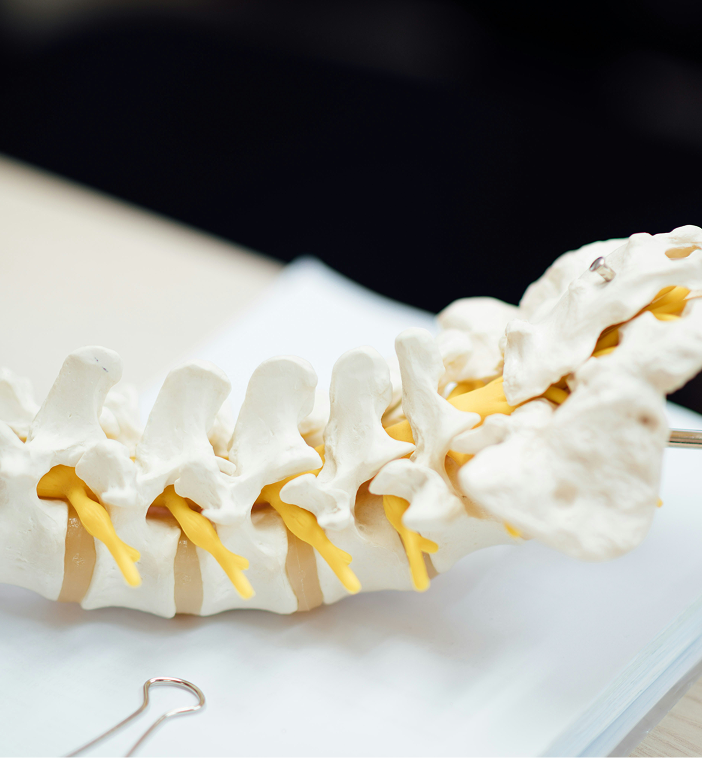
The sciatic nerve is the longest and thickest nerve in the human body, formed by the joining of several nerve roots that exit the lower lumbar and sacral spine (L4 to S3). It runs from the lower back, through the pelvis, deep into the buttock, and branches down the back of each leg to the foot.
Who Is Most Affected?
While sciatica can affect anyone, it is most common in individuals aged 30 to 50, particularly those exposed to:
- Occupational Stress: Jobs that involve prolonged sitting, heavy lifting, or repetitive twisting motions place the highest mechanical stress on the lower spine.
- Trauma or Accidents: Injuries that directly impact the lower back or pelvis.
- Underlying Spinal Conditions: Conditions like spinal stenosis or degenerative disc disease make the nerve roots more vulnerable to compression.


Mechanism of Injury & Pathophysiology
Sciatica develops when the sciatic nerve or one of its contributing spinal nerve roots is compressed or irritated. This irritation causes the nerve to send pain signals down the leg—a phenomenon known as radiculopathy.
The most common mechanical and biomechanical causes include:
- Lumbar Disc Herniation or Bulge: When the soft inner material of an intervertebral disc pushes out, it can directly compress the adjacent nerve root.
- Spinal Stenosis: A narrowing of the spinal canal, which limits space for the nerves, often exacerbated by age-related degeneration.
- Spondylolisthesis: A condition where one vertebra slips forward over the one below it, leading to direct compression and instability.
- Piriformis Syndrome: This involves the sciatic nerve being irritated by muscle spasm or tightness in the piriformis muscle, deep in the buttock.
The Role of Spinal Misalignment (Subluxation)
In the Gonstead System, we emphasize that nerve irritation often begins with a spinal misalignment, or subluxation, that causes the vertebral bodies to shift, leading to pressure and inflammation. The Gonstead approach is often referred to as “disc focused” care. This focus is based on the Level Disc Theory, which asserts that anatomically normal discs promote optimum vertebral alignment (“Parallel Discs”). When the spine is misaligned, it prevents equal weight-bearing, which compromises disc health and accelerates the likelihood of a disc bulge or nerve irritation—the source of sciatica.

Common Symptoms
Primary Symptoms:
- Sharp, shooting, or electrical pain that travels from the buttock, down the back of the leg, and sometimes into the foot.
- Numbness, tingling, or a “pins and needles” sensation (paresthesia) in the calf, foot, or toes.
- Muscle weakness in the affected leg or foot, leading to difficulty walking or lifting the foot (foot drop).
- Pain that is severe when sitting, standing, or making sudden movements like coughing or sneezing.
Red Flag Symptoms (Seek Emergency Care)
While rare, certain symptoms may indicate a serious condition called Cauda Equina Syndrome (CES) which requires immediate medical or emergency hospital attention:
- Sudden, persistent lower back and leg pain.
- Difficulty emptying your bladder (urinary retention) or bowel, or loss of control (incontinence).
- Saddle parasthesia: numbness or loss of sensation in the buttock, genital, and inner thigh region.
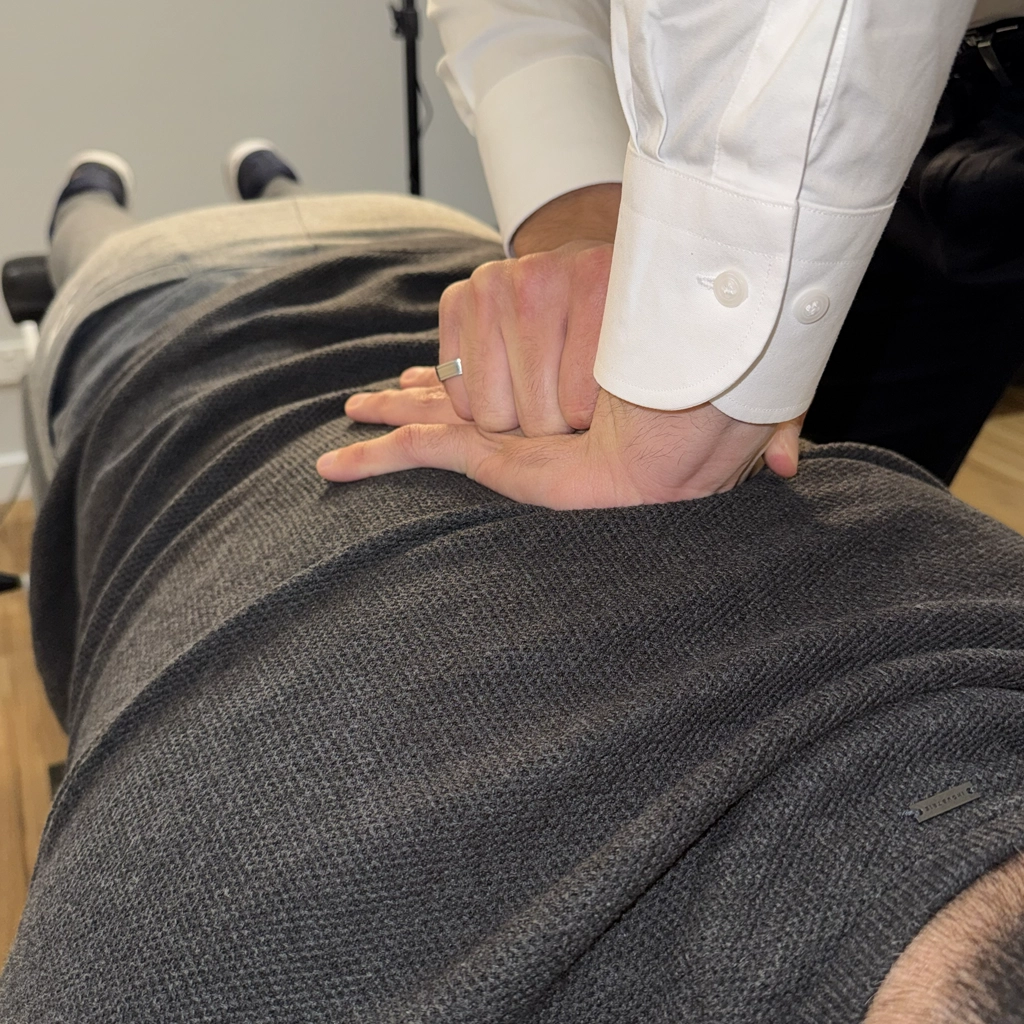
How Gonstead Chiropractic Can Help
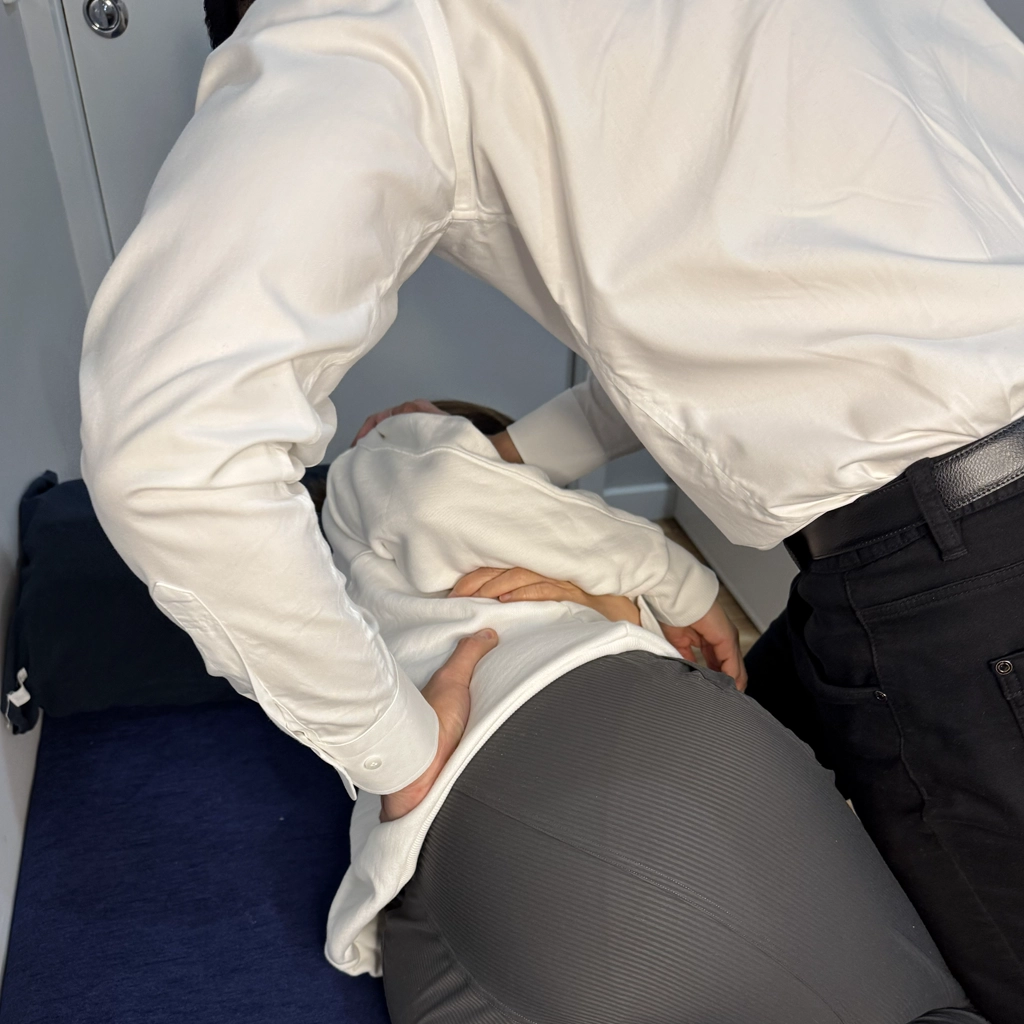
For effective, lasting relief from sciatica, treatment must move beyond temporary pain management and address the specific spinal dysfunction causing the nerve compression. This is where the Gonstead System provides a distinct advantage, utilizing an unparalleled level of diagnostic precision.
The Gonstead Diagnostic Approach
Our approach as a dedicated sciatica chiropractor Ringwood begins with a meticulous, five-part analysis to accurately locate the primary misalignment—a process that focuses on finding the root cause.
- Visualization and Postural Assessment: We carefully observe your posture, gait, and movement patterns to detect subtle structural abnormalities, such as a “sway back” posture or uneven weight distribution, which can be the root cause of nerve stress.
- Instrumentation (Nervo-Scope): A precise instrument is used to scan the spine, measuring subtle heat differentials along the nerve path to pinpoint the exact location of nerve inflammation and irritation.
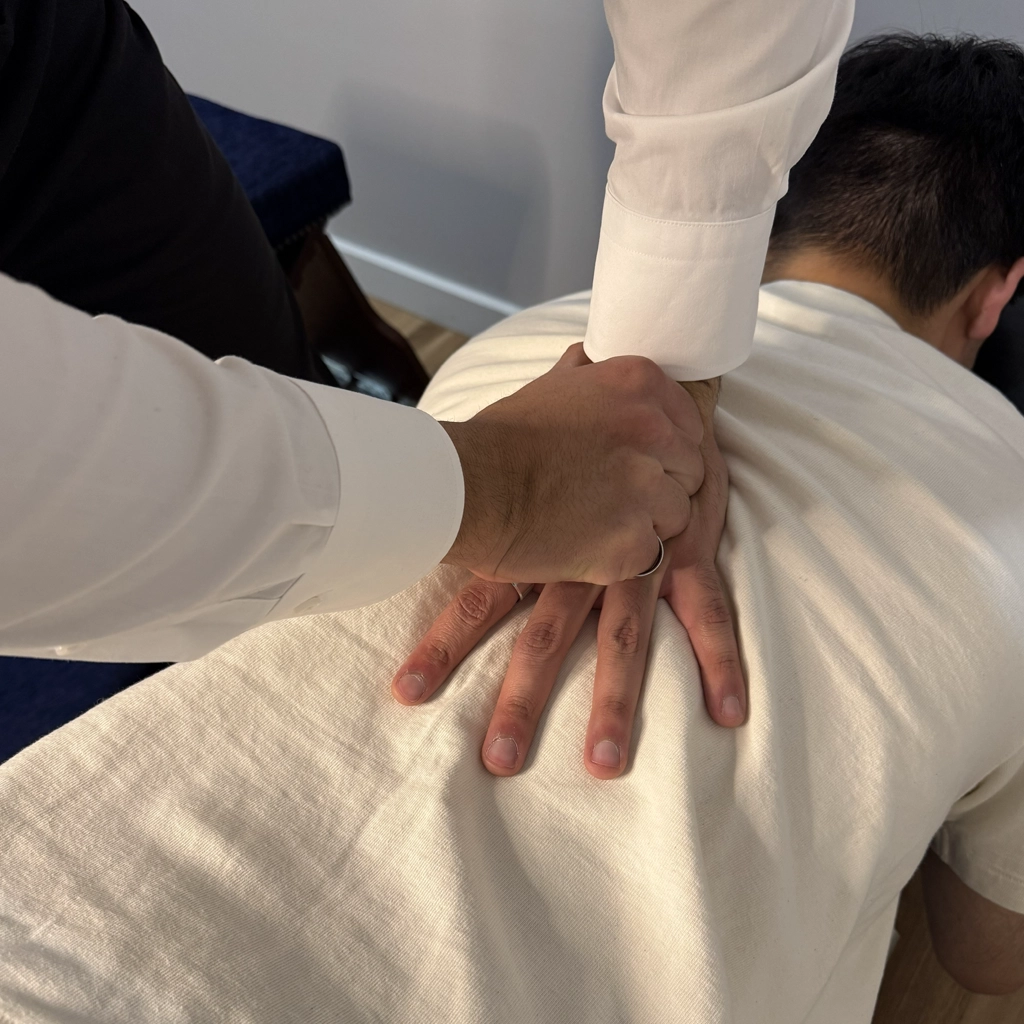
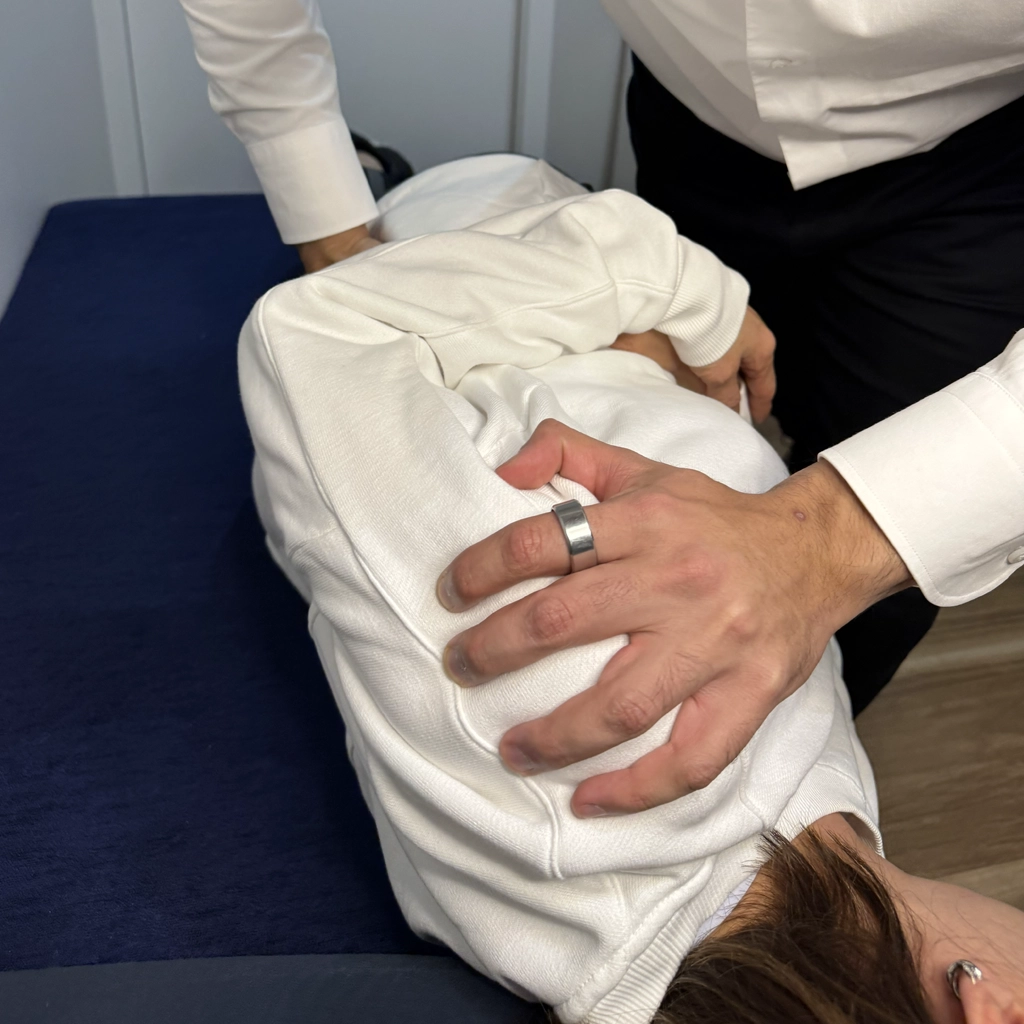
- Static & Motion Palpation: Our hands-on examination pinpoints areas of joint dysfunction, muscle tightness, and tenderness in the spine and pelvis.
- Weight-Bearing X-ray Analysis: Provides a foundational blueprint of your spine’s structure, allowing us to assess alignment, disc space, and any degenerative changes, which is crucial for determining the precise angle and location of the correction.
This detailed analysis allows us to confirm whether the issue stems from a disc problem, joint restriction, or muscle imbalance. The Gonstead Method ensures we only adjust the specific area required, reducing the risk of unnecessary adjustments.
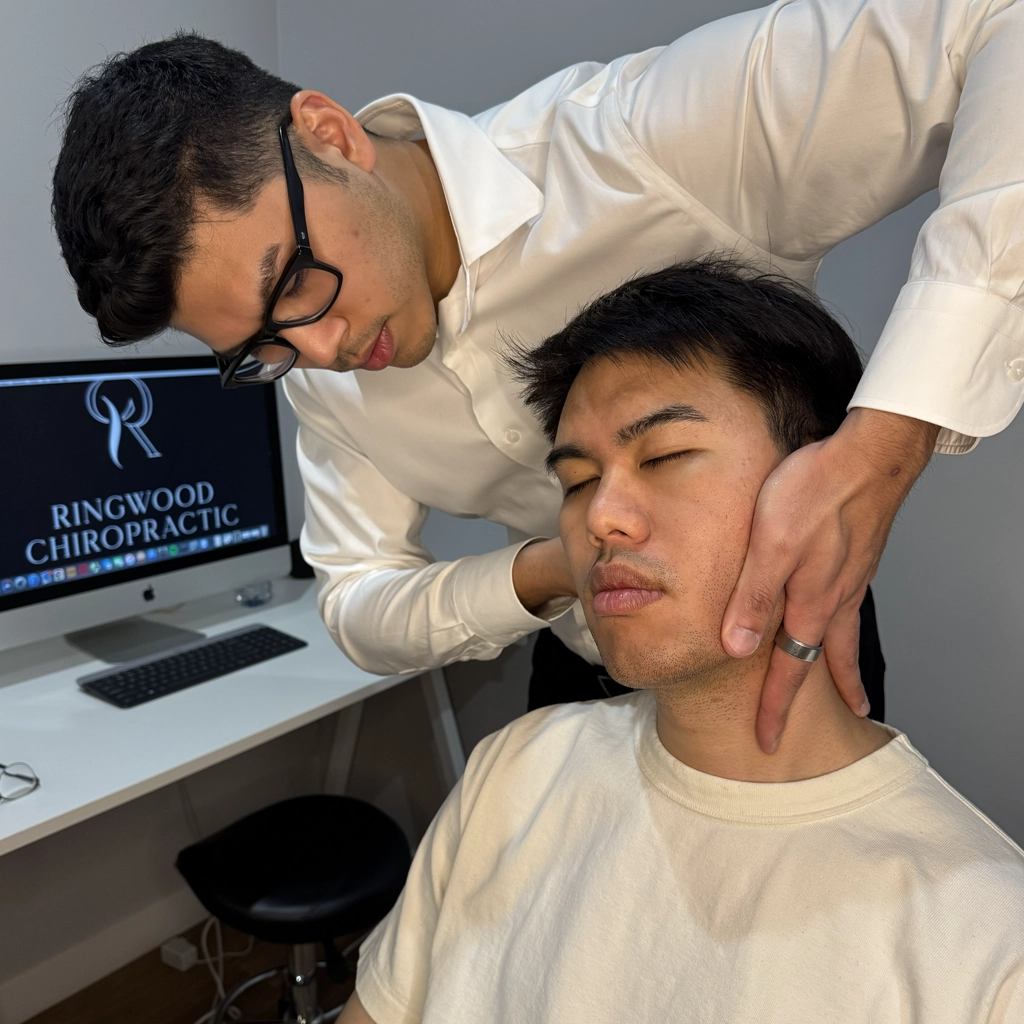
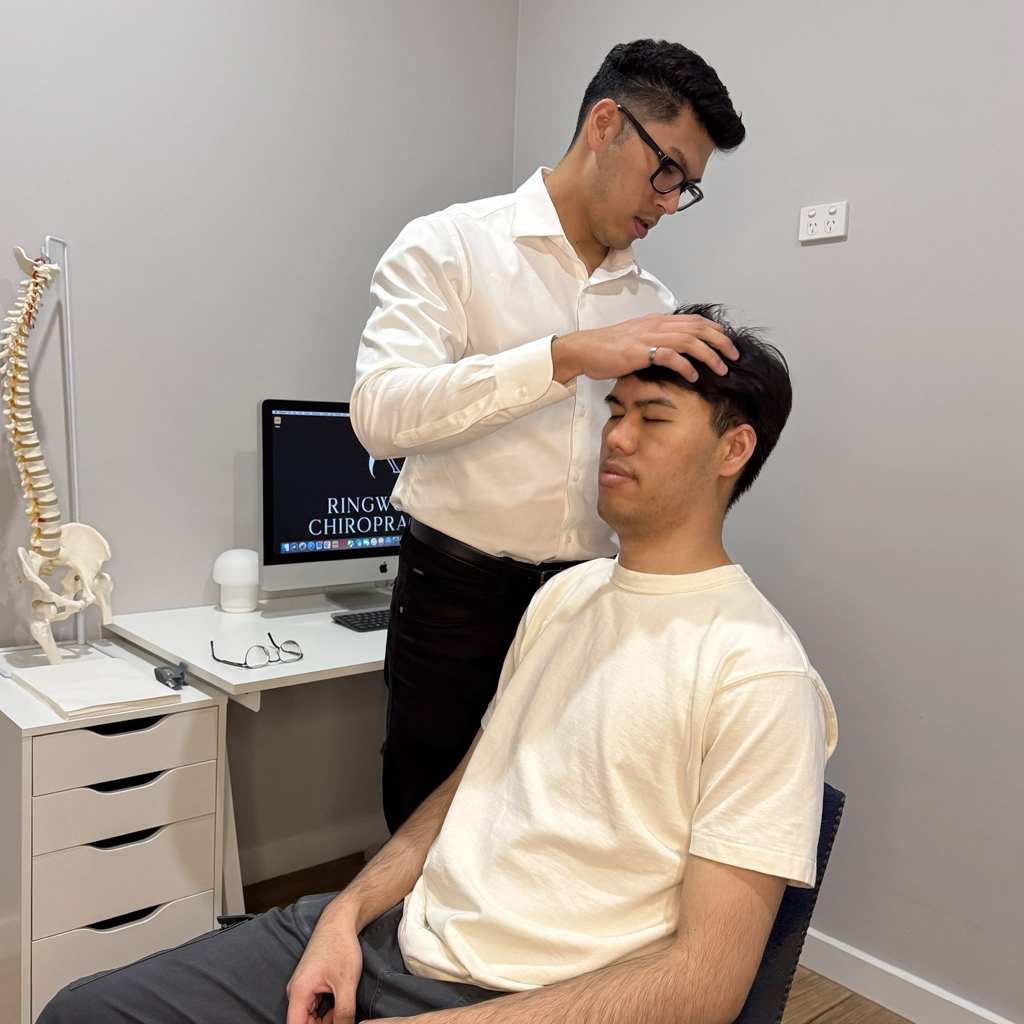
Specific Adjustments for Lasting Relief
The Gonstead Method is known for its specificity—using minimal force to achieve maximum corrective results.
For sciatica, the adjustment aims to:
- Reduce Nerve Pressure: By correcting the specific misalignment in the lumbar spine or pelvis, we reduce direct pressure and irritation on the sciatic nerve roots.
- Restore Optimal Biomechanics: Re-establishing the “Parallel Discs” alignment helps normalize joint function and weight distribution, stabilizing the spine against future mechanical stress.
- Prevent Recurrence: By addressing spinal misalignments early, Gonstead chiropractic care helps prevent future episodes of sciatica.
Studies show that chiropractic care combined with exercise was more effective than exercise alone in reducing pain and disability in patients with chronic sciatica, highlighting the importance of this specific, structural intervention.
Your Next Steps
If you are suffering from shooting leg pain, numbness, or stiffness, don’t wait for the symptoms to worsen. Early, precise intervention is key to achieving a quicker and more complete recovery.
At Ringwood Chiropractic, Dr. Jarrett specializes in the detailed analysis of the Gonstead System. We are committed to locating the true cause of your pain and providing the highest level of specific, targeted care.
If you’re seeking chiropractic treatment for sciatica in Ringwood, Croydon, Heathmont, or surrounding suburbs, book your initial consultation today to start your journey toward lasting relief and restored mobility.
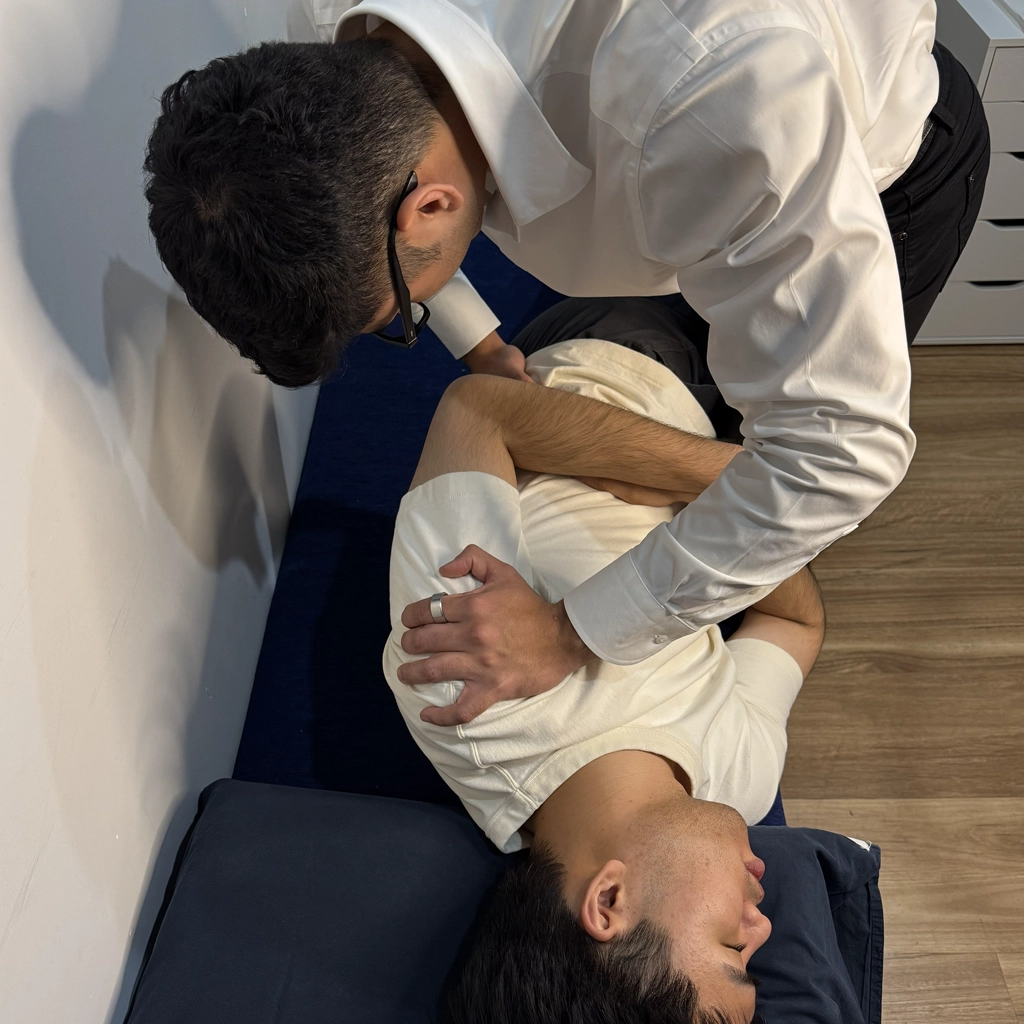
Why choose us?
More about
Sciatica
Sciatica is a condition that will only get worse with time if left untreated but it can be reversed easily enough if caught early. Finding a Gonstead Chiropractor is crucial for this and our Dr. Jarrett has years of experience in treating sciatica and disc bulges.
Contact Ringwood Chiropractic and Health for a commitment-free over the phone consult now or book an appointment with Dr. Jarrett and start feeling better
Ten reasons
Why Clients Choose Us
When it comes to your health, you want care that’s precise, modern, and genuinely effective. Here’s why patients trust us:
Proven Experience
Highly trained in the Gonstead system ensures you’re in skilled, capable hands.
Personalised Care
Every treatment plan is tailored to your condition and lifestyle.
Precise Gonstead Adjustments
Highly targeted corrections designed for faster, longer-lasting results.
Thorough Assessments
We take time to understand your condition with posture checks, scans, and X-rays.
Diagnostic Accuracy
Advanced technology like thermography and imaging eliminates guesswork.
Modern Approach
Premium, up-to-date chiropractic care delivered in a welcoming environment.
Focus on Results
Our goal is to get you feeling better in the shortest time possible, without cutting corners
Detailed Support
From sports injuries to chronic pain, we help a wide range of conditions at every stage of life.
Clear Communication
We explain your care step by step, so you feel confident and informed at every visit.
Caring Team
Empathetic, approachable, and committed to helping you get back to the life you love.
Frequently asked questions
Your questions
answered.
What causes sciatica?
Sciatica is caused when the sciatic nerve roots in the lower back are irritated or compressed. This often occurs due to a lumbar disc herniation or a specific spinal misalignment (subluxation). Our Gonstead analysis is designed to identify the exact misalignment in the spine or pelvis that is placing pressure on the nerve.
Can Chiropractic help with sciatica?
Yes. Scientific research indicates that chiropractic care, particularly when combined with exercise, is highly effective for reducing pain and improving disability in patients with chronic sciatica. Our Gonstead adjustments work to remove the underlying structural cause of nerve pressure.
What makes the Gonstead method different for sciatica treatment?
The Gonstead system is known for its precision and specificity. We use a detailed 5-part analysis, including full spine X-rays and instrumentation (Nervo-Scope), to pinpoint the exact vertebral misalignment causing the nerve compression. This ensures the adjustment is specific, gentle, and directly targets the root cause of the sciatica.
How long does it take to see improvement for sciatica?
Recovery time is highly individual, but most acute sciatica cases resolve within three weeks to two months of consistent, specific care. Dr. Jarrett will create a personalized plan after your initial Gonstead assessment to provide realistic recovery timelines based on the severity of your condition.
Is Chiropractic safe for disc injuries?
Yes. When performed by a qualified chiropractor using the Gonstead approach, techniques are gentle and modified for disc issues. The precision of the Gonstead adjustment is designed to correct the underlying misalignment without excessive twisting, aiming to decompress the area and support the disc’s ability to heal.
Our location
Where we are located
Ringwood Chiropractic
139B Wantirna Road, Ringwood VIC 3134, Australia
Parking Information
Convenient on-site parking is available for patients, with additional spaces located on nearby streets. Please allow a few extra minutes during peak times to find a spot.
Take the First Step Toward Relief
You don’t have to live with pain or discomfort holding you back, your solution is closer than you think.