
Paediatric Chiropractic
Children are constantly growing, moving, and testing the limits of their physical abilities. From the stresses of birth to the minor bumps and strains of sports and school life, their developing musculoskeletal system requires specific and dedicated support.
While children and adolescents primarily seek care for painful issues, such as spinal pain and joint restriction, the ultimate goal of paediatric chiropractic care is to support proper structural development as they grow. Back and spinal-related pain accounts for approximately 1% of adolescent and child consultations in general practice per year, underscoring the prevalence of these issues.
As your local chiropractor in Ringwood, our clinical approach—led by Dr. Jarrett—is centred around the highly analytical Gonstead System. This methodology is uniquely suited for children and infants because it is designed for maximum precision with minimal force, ensuring that the adjustment is gentle, safe, and highly specific to the child’s unique developmental needs. We offer a trustworthy, specific path to paediatric chiropractic relief that people can rely on.
- Wake up pain free
- Move with confidence
- Live without limits

What is Paediatric Chiropractic?
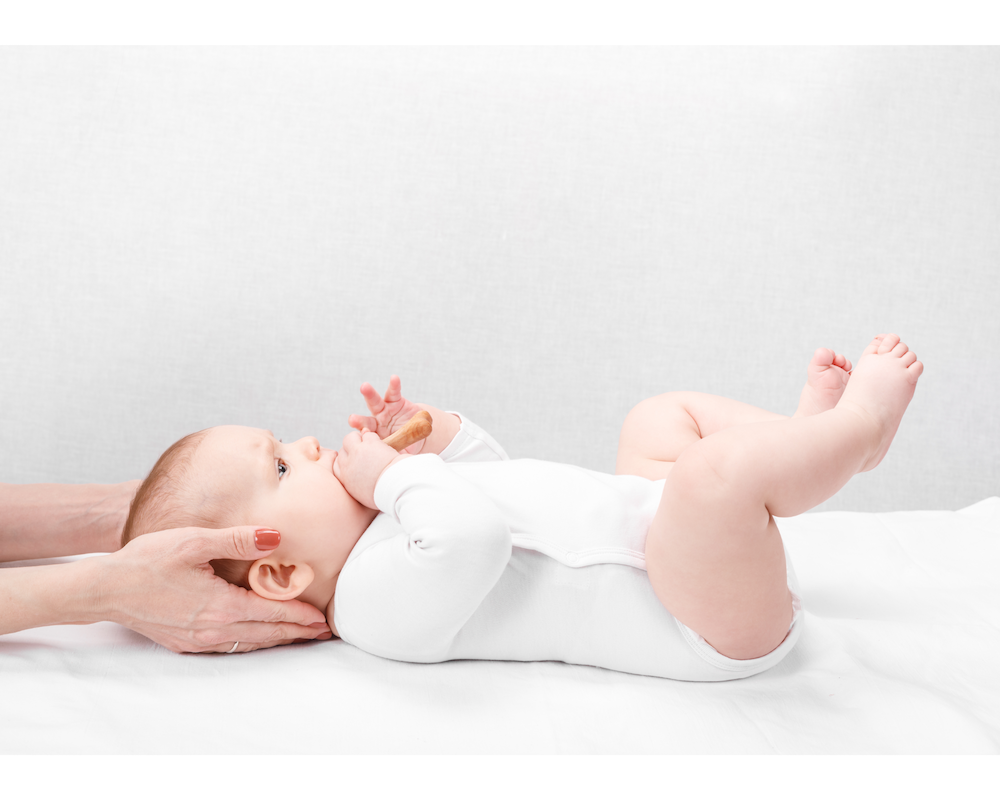
Paediatric chiropractic care focuses on the diagnosis and management of musculoskeletal (MSK) issues in children, ranging from infants through to adolescents. This care includes manual therapy, soft tissue therapy, mobilisation, and advice relating to exercise and lifestyle factors relevant to the child’s age and condition.
Epidemiology and Musculoskeletal Concerns in Youth
The unique stressors on a developing body lead to specific MSK concerns:
- Growth Velocity: Major musculoskeletal problems, such as Adolescent Idiopathic Scoliosis (AIS), are linked to peak growth velocity during puberty. AIS affects roughly one per cent of the Australian population.
- Mechanical Neck Pain: Children and adolescents commonly experience mechanical neck pain resulting from day-to-day activities, often associated with postural strain from school and screen use,.
- Spinal Pain: Spinal pain severity and consultation rates clearly increase with age. This pain may also co-exist with pain in the upper and lower extremities.
- Extremity Pain: Joint pain and stiffness in the lower body, including common issues like growing pains.
Mechanism of Injury & Pathophysiology: Stress on the Growing Spine
The spinal column of a child is exposed to mechanical stressors that differ significantly from those affecting adults.
Early Structural Stress
The earliest structural strain can occur during the birthing process, which can potentially create subtle subluxations (misalignments) in the delicate developing spine. As infants grow, the spine and joints are subjected to rapid changes in alignment and load as they achieve key developmental milestones, such as lifting their head, crawling, and walking.
Postural and Growth Strain
In school-aged children and adolescents, the mechanisms of injury shift:
- Spinal Misalignment (Subluxation): Repetitive strain from heavy school bags, prolonged poor posture (slouching while looking at screens), and intense, repetitive sports training can lead to specific subluxations in the spine and extremities.
- Growth Plate Stress: During peak growth periods, the ends of the bones are vulnerable. Misalignment in the pelvis or spine can alter the biomechanics of the lower limbs, placing abnormal stress on growth plates and contributing to conditions like growing pains or Sever’s disease.
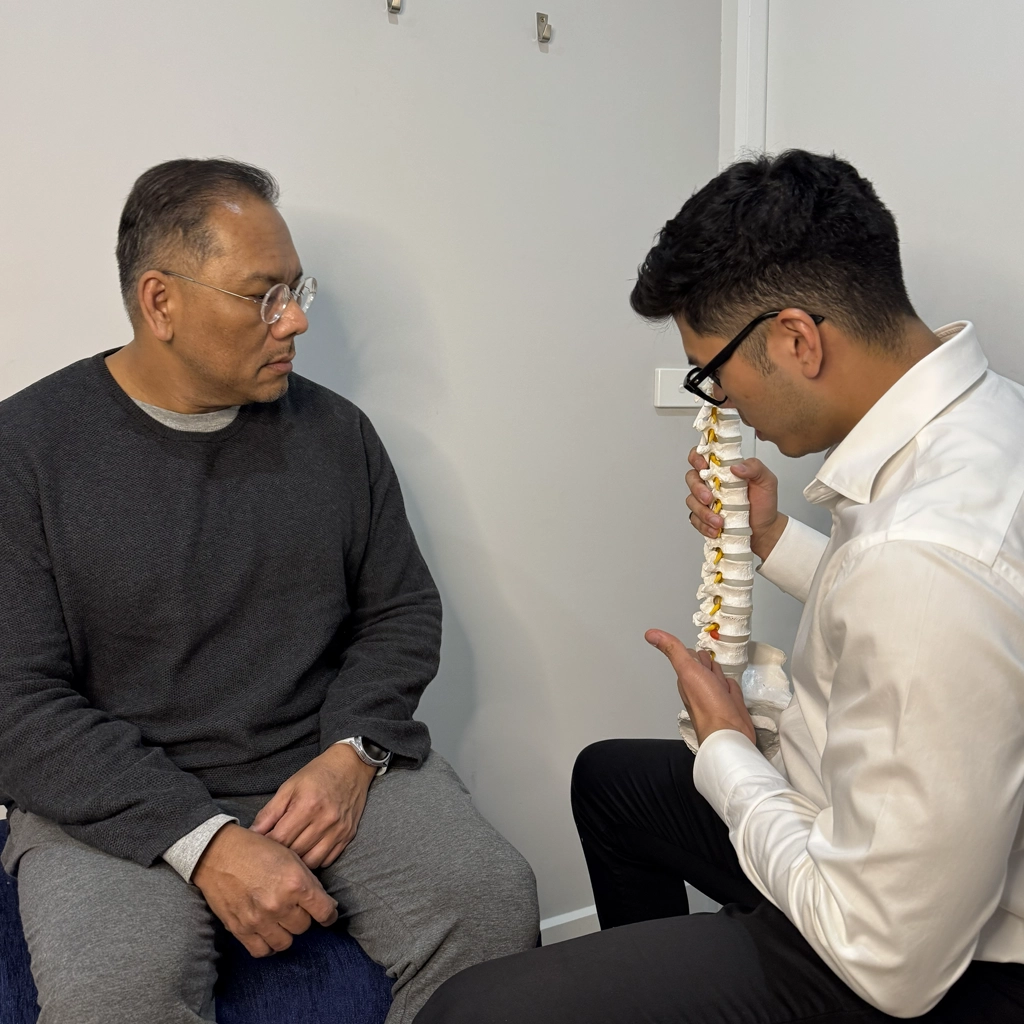
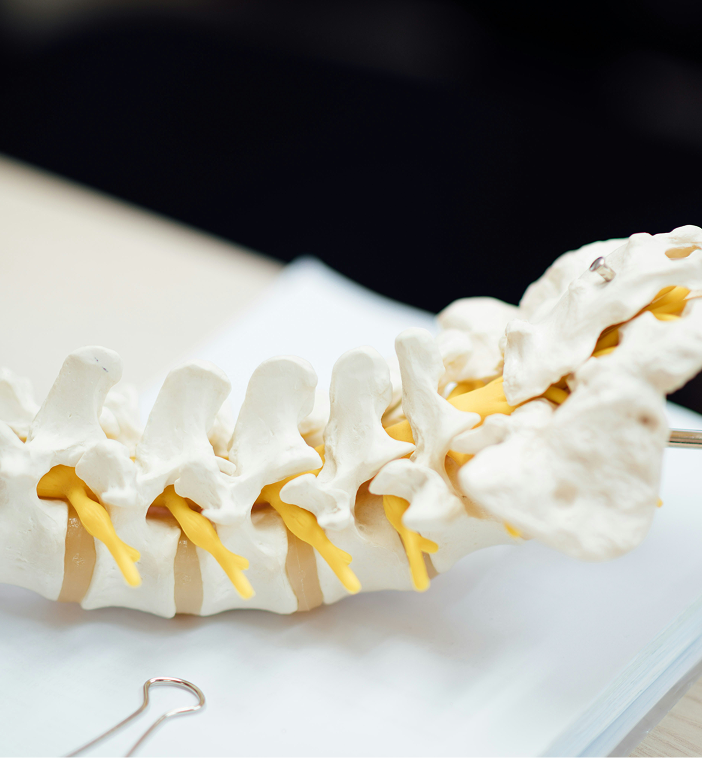
The Gonstead Method, which focuses on the intervertebral disc as the root cause of neurological dysfunction, is modified to suit the unique physiology of children, ensuring gentle correction of the specific misalignment that interferes with nerve function and development.
Common Symptoms
Parents in Ringwood seek paediatric chiropractic care for children experiencing musculoskeletal complaints, such as:
- Spinal Pain: Neck pain, stiffness, or low back pain, particularly after activity or prolonged sitting.
- Postural Asymmetry: Visible unevenness in the shoulders, hips, or waist (often associated with Scoliosis).
- Gait and Limb Issues: A persistent limp, reluctance to move a limb, or gait abnormalities.
- General Musculoskeletal Discomfort: Persistent joint pain, stiffness, or reduced range of motion, including “growing pains”.
Essential Clinical Red Flags (When to Seek Emergency Care)
Dr. Jarrett’s primary concern is always the safety and well-being of the child. Certain symptoms require immediate evaluation by a medical doctor or hospital emergency department, as they may indicate serious underlying pathology:
- Fever and Joint Pain: Acute, severe joint pain or reluctance to use a limb, especially when accompanied by a fever ($38.5^\circ \text{C}$ or higher),. This is a red flag for Septic Arthritis, an orthopaedic emergency.
- Inability to Weight Bear: Complete inability to walk or bear weight on a leg (non-traumatic onset).
- Systemic Signs: Unexplained weight loss, night sweats, or nocturnal pain that wakes the child (possible malignancy),.
How Gonstead Chiropractic Can Help
Chiropractic care for children is characterised by its high degree of modification and gentleness,. The Gonstead System provides the optimal framework for this specialised approach.
The Systematic Gonstead Analysis
Dr. Jarrett utilizes the Gonstead 5-step analysis to locate the specific subluxation, avoiding unnecessary adjustments:
- Visualization & Postural Assessment: Carefully observing posture and gait to detect subtle structural abnormalities, which is especially important for conditions like Scoliosis or growth-related imbalances,.
- Instrumentation (Nervo-Scope): A specialized instrument is gently used to measure temperature variations along the spine, pinpointing inflammation and nerve irritation related to specific misalignments 3,.
- Palpation (Motion & Static): Using hands to confirm areas of muscle tightness, swelling, and specific joint restriction.2
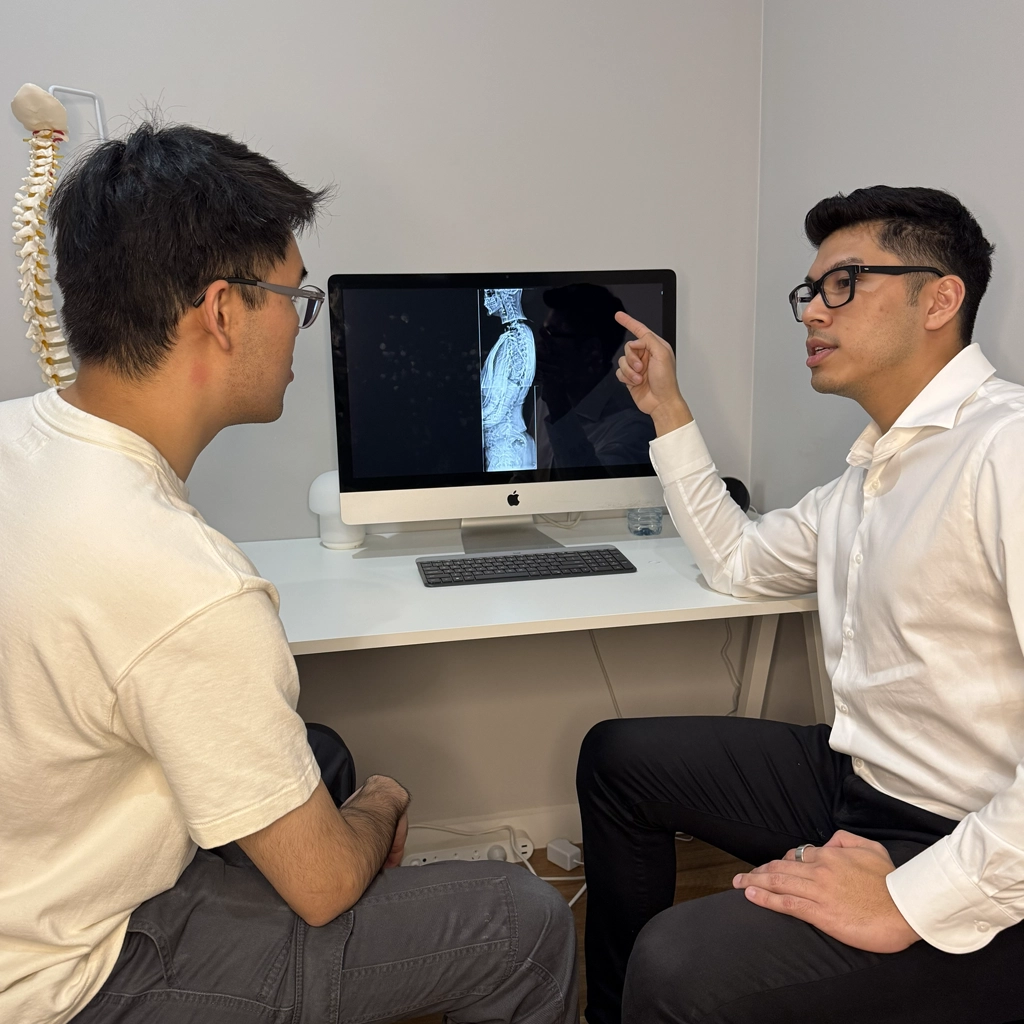
- X-Ray Analysis: X-rays are only taken if clinically necessary and are always correlated with the examination findings.3
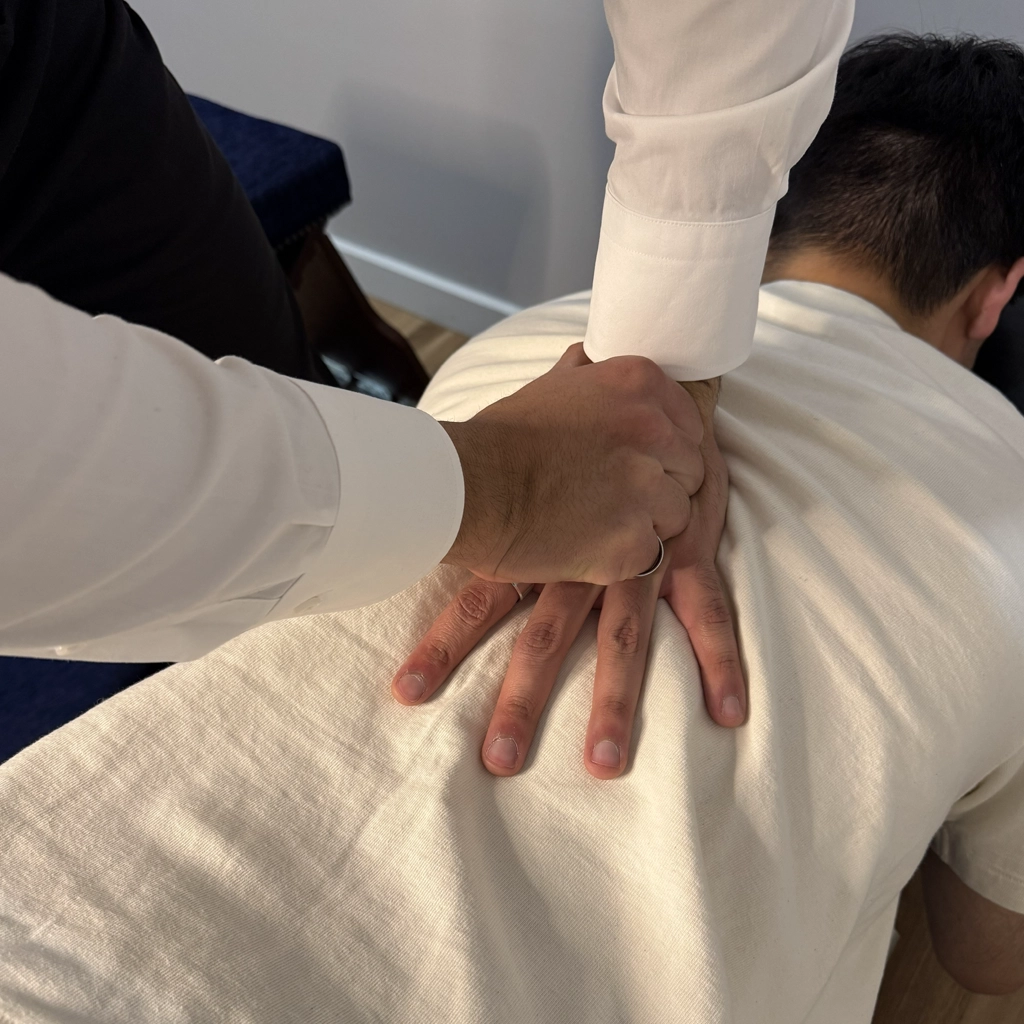
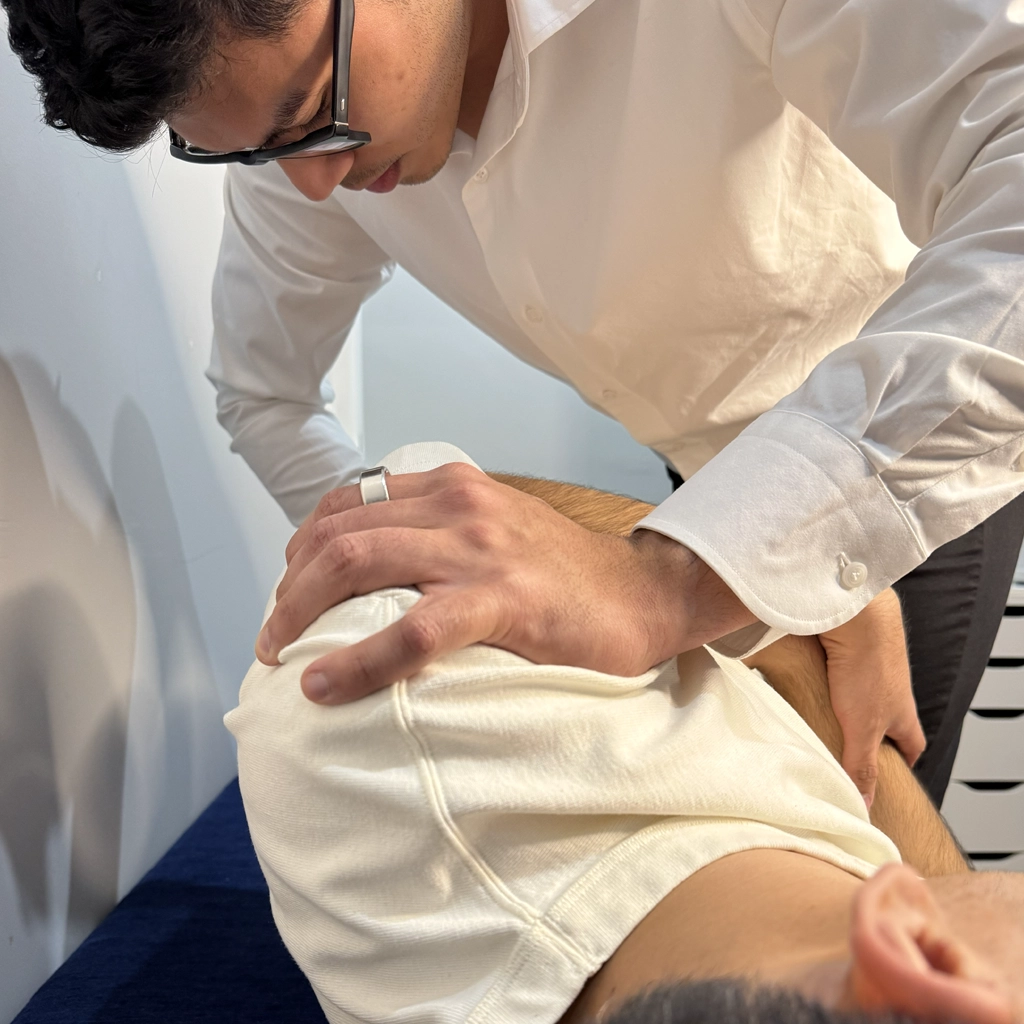
Specific, Gentle Adjustments
The precision of the Gonstead adjustment ensures that minimal force is used, customized entirely to the age, size, and developmental stage of the child or infant,. For infants, the force used is often described as no more than the pressure required to test a tomato for ripeness.
By correcting the specific subluxation, this targeted care aims to:
- Restore Proper Nerve Function: Improve communication between the brain and body by relieving nerve pressure, promoting overall development and health 3,.
- Improve Biomechanics and Posture: Correcting misalignments in the spine, pelvis, and extremities (shoulders, knees, ankles) to allow the child’s body to grow and function with optimal balance.
- Support Structural Health: Addressing specific mechanical neck pain and spinal joint restrictions that arise from day-to-day activities.
Recovery, Management & Prevention
The goal of Gonstead care is to achieve the best possible results in the shortest amount of time, supporting long-term health and preventing recurrent issues.
Active Management and Support
- Posture and Ergonomics: Providing actionable advice on carrying school bags (ensuring weight is carried evenly) and maintaining better posture during screen time to minimize strain on the developing spine.
- Stretching and Activity: Encouraging physical activity and providing specific stretching exercises, which may be beneficial in managing musculoskeletal discomfort like “growing pains”,.
- Developmental Monitoring: Regular Gonstead check-ins can identify subtle misalignments early, which is crucial during rapid growth phases (like puberty) to manage conditions such as Scoliosis.
The clinical focus remains squarely on placing the interests and wellbeing of the child first, ensuring that any intervention is appropriate, necessary, and likely to benefit the patient’s musculoskeletal health.

Your Next Steps
If you have concerns about your child’s posture, spinal comfort, gait, or persistent joint pain, early and specific assessment is the most proactive step you can take.
At our practice, Dr. Jarrett specialises in the precise Gonstead System, modifying every technique to be safe and effective for the youngest patients. We are committed to providing your child with the highest level of specific, targeted care to support their optimal growth.
If you’re seeking a paediatric Chiropractic in Ringwood, book your initial consultation today to support your child’s structural health and wellbeing.
Why choose us?
Frequently asked questions
Your questions
answered.
Is the Gonstead adjustment safe for babies and young children?
Yes. Dr. Jarrett is trained to modify all care and force to suit the age, size, and presentation of the child, following strict professional guidelines,. The specific Gonstead adjustment uses minimal, gentle force—often described as no more pressure than checking a tomato for ripeness.
What conditions do you treat in children?
We focus on musculoskeletal and biomechanical conditions, including mechanical neck pain, back pain, postural imbalances (Scoliosis), joint restrictions, and gait issues. We aim to correct the specific spinal and extremity misalignments that interfere with optimal movement and nerve function,.
What makes the Gonstead method different for paediatric care?
The Gonstead system’s emphasis on precision is ideal for children. Dr. Jarrett uses objective analysis (Visualisation, Instrumentation, and Palpation) to confirm the exact spinal segment needing correction, ensuring the adjustment is highly targeted and never applied unnecessarily. This specificity provides the safest, gentlest, and most effective form of care.
Do you use X-rays on children?
X-rays are only used if clinically necessary and are always correlated with the hands-on examination.3 For most paediatric cases, particularly infants and toddlers, Dr. Jarrett relies exclusively on non-radiographic Gonstead analysis tools (Nervo-Scope, Palpation, and Visualisation) to ensure a safe and precise diagnosis.
Should my child see a chiropractor if they have "growing pains"?
While medical providers often recommend stretching for growing pains, if your child is experiencing persistent joint pain, stiffness, or an asymmetrical posture, a structural assessment is warranted. We can check for subtle misalignments that may be contributing to mechanical joint stress and provide targeted adjustments to improve spinal balance and movement.
Our location
Where we are located
Ringwood Chiropractic
139B Wantirna Road, Ringwood VIC 3134, Australia
Parking Information
Convenient on-site parking is available for patients, with additional spaces located on nearby streets. Please allow a few extra minutes during peak times to find a spot.
Take the First Step Toward Relief
You don’t have to live with pain or discomfort holding you back, your solution is closer than you think.