

Disc Bulge
A disc bulge, often referred to as a disc prolapse, is a common spinal condition that can cause significant back or neck pain, stiffness, and sometimes radiating pain into the limbs. This condition is a primary source of chronic back problems, which affect an estimated 4.0 million Australians, or approximately one in six people, across the country. The resulting pain and reduced functional capacity can severely interfere with daily life, from working at a desk to performing simple tasks at home.
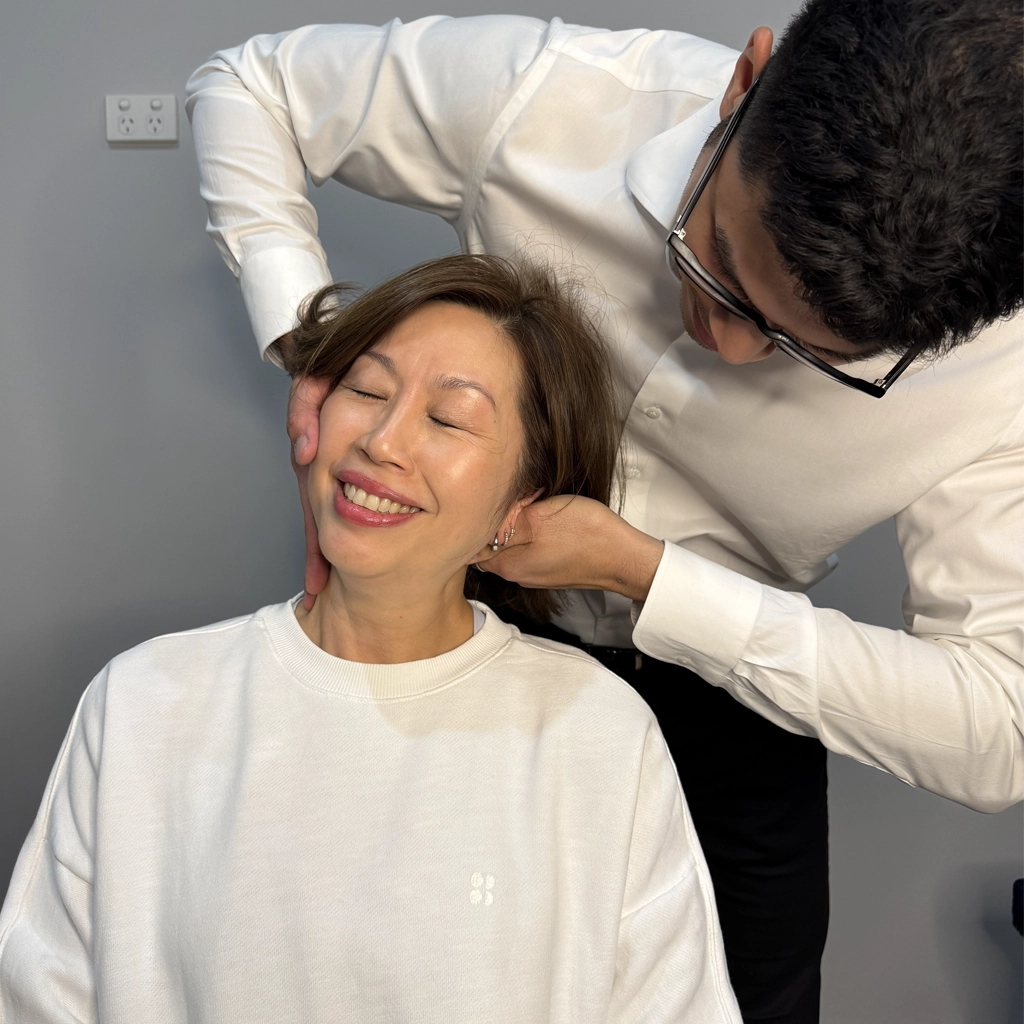
Many Australians seek out conservative, non-surgical care for disc issues to manage their symptoms, regain mobility, and avoid more invasive medical interventions. Chiropractic care, particularly approaches focused on specific and precise spinal correction, offers a viable pathway for addressing the underlying biomechanical dysfunction associated with a disc bulge. By restoring proper alignment and movement, specific chiropractic treatment aims to reduce the pressure and irritation placed upon spinal nerves, assisting in pain relief and functional restoration. Our approach is calibrated to be both empathetic and educational, empowering patients to understand their condition and actively participate in their recovery.
3. What is a Disc Bulge?
Understanding Spinal Anatomy
The spine is composed of vertebrae separated by soft, cushion-like structures called intervertebral discs (IVDs). Each disc acts as a shock absorber, conferring flexibility and helping to distribute mechanical load during movement.
A disc is structurally composed of two main parts:
- The Nucleus Pulposus (NP): The gelatinous inner core that provides hydrostatic cushioning.
- The Annulus Fibrosus (AF): A strong, fibrous outer ring that contains the nucleus pulposus and provides structural support.
Disc Bulge vs. Disc Herniation
A disc bulge is anatomically distinct from a disc herniation. A disc bulge involves a generalised, outward protrusion of the disc, typically extending beyond 50% of its circumference. Crucially, in a bulge, the outer fibrous layers of the annulus fibrosus remain intact, though they are strained. Even with the outer ring intact, the outward protrusion can push into the spinal canal or the intervertebral foramen (the small opening where the nerve root exits the spine), which may cause compression or chemical irritation of an adjacent nerve root.
In contrast, a disc herniation (or extrusion) occurs when the nucleus pulposus material physically breaks through a tear in the annulus fibrosus. While both conditions can cause significant pain, a bulge is generally less severe structurally than a herniation.
Prevalence in Australia
Chronic back problems, encompassing disc bulges and degenerative changes, remain a significant health burden. In 2022, approximately 16% of the Australian population—about 4.0 million people—were estimated to be living with back problems. This issue contributes significantly to the overall national disease burden. Furthermore, between 5–10% of patients suffering from back pain also experience radiculopathy (sciatica), indicating nerve root compression often linked to disc pathology.
4. How Does the Condition Happen?
A disc bulge is primarily the result of long-term wear and tear on the intervertebral disc, a process known as degenerative disc disease (DDD). This process is accelerated by a combination of biomechanical, lifestyle, and environmental factors.
Biomechanical Causes: Load and Strain
The core of disc pathology lies in the disruption of the disc’s ability to handle load. The degenerative cascade starts with the loss of water content and structural proteins in the nucleus pulposus, causing the disc to lose height and elasticity. This structural compromise makes the disc less resilient to mechanical stress.
The mechanical forces that predispose a disc to bulging include:
- Repetitive or Excessive Load: Tasks involving repeated shearing, axial load, bending, or twisting can initiate fissures and eventual protrusion of the disc material.
- Static Axial Overloading: Prolonged, poor posture, especially prolonged sitting, compresses the anterior aspect of the disc, pushing the nucleus pulposus posteriorly towards the spinal nerve roots and accelerating degeneration.
- Trauma: Acute injuries, such as falls or accidents, can place immediate excessive force on the disc structure, though wear and tear is the more common underlying factor.
5. Who Does It Happen To?
Disc pathology tends to occur most frequently in middle-aged adults, typically between the ages of 30 and 50, due to the cumulative effect of life’s mechanical stresses acting on the aging disc structure. However, a range of contributing risk factors determines individual susceptibility.
Contributing Risk Factors:
- Age: The natural aging process, coupled with genetic inheritance, increases the risk of disc breakdown.
- Occupational Stress: Individuals working in roles that involve heavy lifting, bending, twisting, or repetitive tasks (such as those in construction, mining, or trade industries) face significantly increased risk. Conversely, those with highly sedentary lifestyles or desk-based roles are also at high risk due to sustained poor posture and static axial overloading.
- Obesity and Body Weight: Higher body mass index (BMI), particularly adiposity distributed in the trunk, places additional, abnormal biomechanical strain on the spinal discs, accelerating degeneration and increasing the likelihood of disc herniation or bulge.
- Smoking: Tobacco use is a significant factor known to accelerate the degenerative process due to its negative impact on tissue health and nutrient supply.
6. Symptoms and Impact
The symptoms of a disc bulge vary widely. Some people have disc changes visible on an MRI yet remain entirely asymptomatic, while others experience severe, persistent pain.
Hallmark Symptoms of Disc Bulge
- Localized Pain: Chronic back or neck pain at the level of the disc bulge.
- Pain Triggered by Movement: Pain that worsens with specific activities, especially bending, twisting, or maintaining prolonged positions.
- Increased Pain with Pressure: Pain that may be triggered or exacerbated by activities that temporarily increase pressure in the spinal canal, such as coughing, sneezing, or straining.
- Muscle Spasms and Stiffness: Surrounding muscles may become tight (hypertonic) and stiff in an attempt to stabilize the affected spinal segment.
Symptoms of Nerve Root Compression (Radiculopathy)
If the disc bulge is severe enough to compress an adjacent spinal nerve root, symptoms radiate, known as radiculopathy (or sciatica, if in the lumbar spine).
- Sharp, Radiating Pain: Pain, often described as sharp or shooting, that travels down the arms, legs, or into the shoulder or buttocks.
- Numbness/Tingling: Sensations of “pins and needles” or a generalized numbness (paresthesia) in the extremities.
- Motor Weakness: Decreased function or weakness in the muscles supplied by the affected nerve root (e.g., L5 compression causing weakness in lifting the foot, or S1 compression causing weakness in pushing the foot down).
This functional loss can have a significant impact, making everyday tasks like sitting, lifting, or walking difficult, and often limiting a person’s ability to work or engage in recreational activities.
7. How to Help / First-Line Interventions
The first step in managing a disc bulge is conservative self-management and movement modification. It is important to stay active; contrary to outdated advice, rest is often detrimental to long-term recovery. Movement encourages the essential fluid exchange the disc relies on for nutrient supply.
Self-Management and Posture Changes
- Activity Modification: Temporarily avoid heavy lifting, aggressive twisting, and other activities that severely strain the back.
- Thermal Therapy: Apply cold packs initially to help reduce localized acute inflammation, then switch to heat packs to relax tense muscles and improve blood flow, providing temporary symptomatic relief.
- Mindful Movement: Incorporate gentle stretching and movement into your daily routine to maintain flexibility and resilience.
- Directional Preference Exercises: Many patients with disc issues find relief with specific movements, such as spinal extension exercises (like the prone press-up, a McKenzie-inspired movement), which may help centralize radiating symptoms. These should be taught and supervised by a practitioner initially.
Ergonomics for Work and Daily Life
- Desk Ergonomics: Ensure your desk chair is supportive, your computer screen is at eye level, and your hips and knees are level when sitting. Avoid static axial overloading by taking frequent breaks to stand or walk.
- Proper Lifting: Always bend from the knees in a squat when lifting heavy items, rather than bending or twisting your back, to safely distribute the load.
9. How Chiropractic Helps
Chiropractic care offers a specific, non-surgical approach focused on restoring the biomechanical integrity of the spine to manage the pain and functional limitations associated with a disc bulge.
Chiropractic Assessment Process
Safe and effective care for disc pathology requires diagnostic precision. Our approach utilises a comprehensive assessment process to precisely locate the source of the issue:
- Case History and Visualization: We review your detailed health history, symptoms, and observe your posture, movement, and gait to identify structural indicators of nerve interference.
- Palpation: We use both Static Palpation (feeling the spine when stationary to locate muscle tightness, swelling, and tenderness) and Motion Palpation (assessing movement to identify restricted or fixated spinal joints).
- Instrumentation (Nervoscope): A specialized instrument is glided along the spine to detect subtle, uneven distributions of heat. Thermal asymmetry serves as an objective measure of the acute inflammation and nerve irritation caused by the disc lesion.
- X-ray Analysis: Full-spine X-rays are an integral part of the initial assessment. This imaging is crucial for visualizing the entire spinal structure, identifying pathological changes, and assessing joint and disc integrity. Crucially, the X-ray guides the practitioner to determine the specific angle and force required for a precision adjustment, which is a necessary safety measure when managing a compromised disc.
Specific Care Methods: Precision Adjustments
The chiropractic management of a disc bulge focuses exclusively on restoring normal biomechanical function to the subluxated segment using precise, targeted adjustments.
- The Gonstead Philosophy: Our approach is guided by the Gonstead Level Disc Theory, which asserts that the integrity of the intervertebral disc is paramount in spinal health. Subluxations often begin at the disc, where injury leads to swelling and expansion, putting pressure on the nerve roots.
- Adjustment Specificity: The Gonstead adjustment targets only the exact vertebral segment identified by the five-point analysis as having nerve dysfunction. The adjustment is delivered with the necessary precision and a controlled, low-amplitude force, which is designed for “maximum affect to the discs” while minimizing stress on adjacent, non-involved areas.
- Biomechanical Improvement: By applying this highly specific thrust, the adjustment works to restore proper vertebral alignment and motion. This mechanical correction aims to reduce the abnormal stress placed on the disc and, critically, alleviate the pressure and inflammation irritating the nerve root within the intervertebral foramen.
Evidence-Based Outcomes (AHPRA-Compliant Claims)
While chiropractic care cannot reverse the anatomical degeneration or structural changes of a disc bulge , evidence supports its efficacy in managing the associated symptoms and functional deficits:
- Pain and Function: Spinal Manipulative Therapy (SMT) is recognized as an effective part of conservative management. Moderate quality evidence suggests that SMT may be effective for the treatment of acute lumbar radiculopathy (sciatica).
- Biomechanical Change: Specific manipulation can improve spinal joint mobility, reduce surrounding muscle tension, relieve nerve irritation, and enhance posture and overall function. Furthermore, SMT can induce neurophysiological responses that contribute to pain relief, and manual techniques like traction have been shown to temporarily reduce pressure within the disc.
In compliance with AHPRA standards, we assert that specific chiropractic adjustments work to significantly improve spinal function, assist in reducing nerve pressure around compromised discs, and enhance mobility, leading to substantial pain reduction and an improved quality of life.
10. Your Next Steps
Managing a disc bulge requires precise intervention and commitment to conservative strategies. Our specialized, evidence-based Gonstead approach provides the detailed diagnostic assessment necessary to ensure care is targeted, safe, and effective for your unique spinal structure. If you are experiencing persistent back pain, stiffness, or radiating symptoms (radiculopathy) related to a disc bulge, a comprehensive assessment is the best next step.
To determine how specific chiropractic adjustments can improve your spinal function and reduce the pain associated with a disc bulge, contact the Ringwood Chiropractic team.
If you’re in Ringwood or nearby suburbs, our experienced chiropractors can help you find relief and restore movement.
You can book your consultation by calling our clinic.
11. Other Options: Multidisciplinary Care
We believe in a collaborative approach to healthcare. For complex cases involving disc pathology, effective management may often involve the coordinated efforts of several healthcare providers. We routinely collaborate with and may recommend co-management with other allied health professionals, including:
- General Practitioners (GPs): For prescription of medication (such as non-opioid pain relievers or muscle relaxants) to manage acute pain and inflammation.
- Physiotherapists or Exercise Physiologists: For specific rehabilitation exercises and strengthening programs, especially those focused on core stability and directional preference.
- Pain Specialists: For advanced interventional procedures, such as corticosteroid injections, if symptoms are severe and unresponsive to first-line conservative care.
This collaborative strategy ensures you receive the most comprehensive and effective care pathway for long-term health.
12. References
- Choi, J. Y., & Likhitpantakul, P. (2022). The intervertebral disc (IVD): Development, degeneration, and regenerative strategies. Frontiers in Cell and Developmental Biology, 10. https://doi.org/10.3389/fcell.2022.841831
- Chen, Y., Pan, F., & Li, C. (2021). Pathophysiology of intervertebral disc degeneration: Current understanding and future direction. Frontiers in Bioengineering and Biotechnology, 9. https://doi.org/10.3389/fbioe.2021.809293
- Rupnik, M., & Rupnik, M. (2021). Causes and risk factors of spinal disc degeneration and herniation. MDPI, 10(3), 409. https://doi.org/10.3390/jcm10030409
- Australian Institute of Health and Welfare (AIHW). (2022). Back Problems. https://www.aihw.gov.au/reports/chronic-musculoskeletal-conditions/back-problems
- Australian Institute of Health and Welfare (AIHW). (2016). Impacts of chronic back problems.
- Logan Chiropractic Health Center. (2023). Can chiropractic care cause or help spinal degeneration?.
- Australian Health Practitioner Regulation Agency (AHPRA). (2024). Acceptable evidence in health advertising.
- Wilkinson, M. (2024). Biomechanics of Lumbar Intervertebral Disc Herniation. Physio-Pedia.(https://www.physio-pedia.com/Biomechanics_of_Lumbar_Intervertebral_Disc_Herniation)
- Lopez-Lopez, M. C., et al. (2014). High-velocity, low-amplitude spinal manipulation in the lumbosacral joint in men with degenerative disk disease: A randomized, controlled trial. Journal of Manipulative and Physiological Therapeutics, 37(4), 269–277.
- Drost, D. J., & Karkos, J. (2023). Bulging disk vs. herniated disk: What’s the difference?. Mayo Clinic. https://www.mayoclinic.org/diseases-conditions/herniated-disk/expert-answers/bulging-disk/faq-20058428
- Leeman, J. (2011). Spinal manipulation for lumbar radiculopathy: A systematic review. Journal of Manipulative and Physiological Therapeutics, 34(7), 419–429.
- Vining, R., et al. (2018). The role of imaging in the assessment and management of mechanical disorders of the musculoskeletal system: A systematic review. Chiropractic Board of Australia.
- Learn more about how our(https://www.ringwoodchiro.com.au/) help with posture-related back pain and neck tension.
- Find out more About Us and our Gonstead approach.
- (https://www.ringwoodchiro.com.au/book-online) for a comprehensive spinal assessment today.
Explore our resources on related conditions like Neck Pain, Headaches, and(https://www.ringwoodchiro.com.au/sciatica).