

Spinal Disc Degeneration and the Gonstead Methodology
Specific Chiropractic Assessment and Management for Optimal Spinal Function in Melbourne
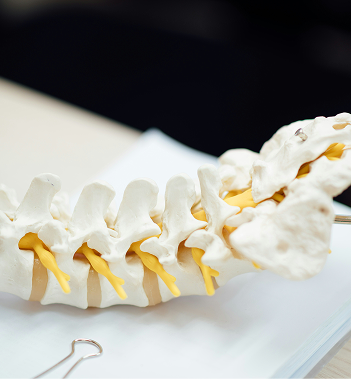
I. Understanding Spinal Disc Degeneration (DDD) in the Australian Context
A. The Intervertebral Disc: Anatomy, Function, and Pathophysiology of Degeneration
The intervertebral disc (IVD) functions as a critical fibrocartilaginous joint located between each vertebral body, essential for maintaining the structural integrity of the spine. Its primary roles include conferring flexibility, distributing mechanical load, absorbing shock, and protecting both the vertebral bones and the delicate central nervous system. Functionally, the IVD acts as a structural link. The dense central core, the Nucleus Pulposus (NP), retains fluids and nutrients and acts much like a “ball bearing,” serving as a pivot point during vertebral movement.
The Pathogenesis of Disc Failure
Spinal disc degeneration (DDD) arises fundamentally from a disruption of the critical homeostasis maintained by the structures of the IVD. This progressive deterioration is accelerated by a combination of genetic and environmental factors. The degenerative cascade typically commences with the degradation of the extracellular matrix (ECM) within the NP, which results in the loss of crucial constituents, particularly proteoglycans and water content. Since water abundance is vital to the mechanical response of the IVD, its depletion significantly compromises the disc’s ability to act as a pivot and absorb shock. This ultimately leads to a noticeable loss of disc height.
Furthermore, the breakdown of the ECM releases inflammatory cytokines and catabolic proteases, which trigger a vicious cycle of continuous degeneration. This process promotes inflammatory signal pathways and induces neovascularization (new blood vessel growth) and neoinnervation (nerve ingrowth) into the otherwise largely avascular disc, which is central to the chronic pain experience.
The Biomechanical-Metabolic Feedback Loop
A crucial factor in understanding DDD is the largely avascular nature of the mature IVD; vascularization is typically only present as deep as the outer Annulus Fibrosus (AF). The deep disc relies entirely on mechanical loading cycles to facilitate the diffusion of nutrients and waste products. When structural misalignment occurs, or when disc height is lost due to trauma or excessive mechanical loading, this vital diffusion pathway is compromised. Restricted nutrient supply starves the remaining NP cells , accelerating ECM breakdown. Consequently, any intervention that restores biomechanical function is positioned to optimize the metabolic environment of the disc, aiming to slow this detrimental degenerative cycle, rather than simply addressing pain alone. The precision of specific spinal alignment, therefore, becomes structurally linked to the disc’s biological survival.
B. Prevalence and Socioeconomic Impact in Ringwood, Melbourne
Spinal disc degeneration and related chronic back problems represent a substantial burden on the Australian healthcare system and economy. An estimated 3.7 million Australians, or approximately 1 in 6 people, had chronic back problems in 2014–2015. The issue disproportionately affects the workforce, as more than three-quarters (77%) of people with chronic back problems are of working age (15–64).
DDD is clinically defined not merely by structural breakdown visible on imaging, but by the resulting symptoms that interfere with normal daily life. This condition manifests as chronic neck or back pain, ranging from moderate to severe, which limits essential day-to-day tasks, such as playing sports, cooking, or lifting. As the spaces between the vertebrae narrow due to disc height loss, flexibility decreases, and poor range of motion during bending and twisting becomes common. In an attempt to stabilize the segment, the body may produce small bone spurs, or osteophytes, which can impinge on the spinal cord or nerve roots, leading to further pain, numbness, or weakness.
In Australia, the functional capacity lost due to DDD can have severe socioeconomic consequences. If chronic symptoms—such as persistent pain, stiffness, or nerve involvement—result in significant, long-term functional impairment (e.g., difficulty sitting, lifting, or walking), the condition may be recognised as a disability. Determining eligibility for support requires an independent assessment of functional loss, supported by clinical evidence such as MRI or X-ray findings. Managing DDD in a major urban centre like Melbourne, particularly in the Eastern suburbs surrounding Ringwood, necessitates interventions that prioritise restoring measurable functional capacity in the working-age population.
C. Key Risk Factors and Occupational Stressors Relevant to the Melbourne Eastern Suburbs
Disc degeneration is influenced by a complex interplay of non-modifiable and modifiable risk factors. Non-modifiable factors include aging, genetic inheritance, and physical height. However, several behavioral and environmental factors significantly accelerate the degenerative process. These include obesity, acute injuries (such as falls) , and smoking. Obesity, particularly adiposity distributed in the trunk of the body, is intrinsically linked to biomechanical changes that increase mechanical stress on spinal discs, contributing to conditions like hypertrophy of spinal ligaments and disc herniation.
The risk factors relevant to the workforce in the Melbourne Eastern suburbs present a crucial duality:
- Sedentary Lifestyle: Individuals who maintain a sedentary lifestyle often experience static axial overloading, which can lead to posterior disc herniation and degeneration. Prolonged positions are a known contributor to low back pain.
- Physically Demanding Occupations: Conversely, physically demanding jobs involving hard work, extended working periods, and specific physical actions dramatically increase risk. Studies show a strong association between lower back pain and tasks performed for extended periods, including standing, bending, twisting, carrying heavy objects, and performing highly repetitive tasks. This is particularly relevant in areas with infrastructure and construction sectors.
This biomechanical conflict—risk arising from both chronic stillness and chronic overuse—underscores the need for highly specific, biomechanically oriented spinal care that can address the precise structural damage resulting from these varied stressors.
II. The Gonstead Difference: A Biomechanical Approach Focused on the Disc
The Gonstead Technique, developed by Dr. Clarence S. Gonstead, is recognised as one of the most structurally and biomechanically specific chiropractic methods. It employs a meticulous diagnostic process to identify and correct vertebral subluxations, grounding its entire approach in the detailed analysis of spinal biomechanics.
A. The Disc-Centric Philosophy: Gonstead as the “Disc Doctor”
A central, defining principle of the Gonstead system is the belief that injury to the intervertebral disc is of paramount importance in causing spinal subluxations. The technique respects the disc as the primary cause of neurological dysfunction resulting from subluxation.
The Subluxation Mechanism
The Gonstead model explains disc-related nerve irritation through a specific pathophysiological chain:
- Mechanical Stress: Excessive or improper mechanical loading causes damage to the annular fibers of the disc.
- Inflammation and Swelling: This tissue damage creates a subsequent inflammatory response, causing the intervertebral disc to expand or swell.
- Neurological Dysfunction: This expansion exerts pressure on the sensitive nerves located in the intervertebral foramen (IVF), resulting in neurological dysfunction.
Because of this unique, unwavering focus on the dynamics of the intervertebral disc as the underlying driver of subluxations and neurological symptoms, Gonstead practitioners are often referred to as “disc doctors”.
B. Gonstead’s Level Disc Theory: The Foundation of Spinal Stability
The concept of structural perfection guides the Gonstead assessment, particularly through the Level Disc Theory. This theory states that “anatomically and physiologically normal discs will allow the vertebral bodies to assume their optimum relationships”.
This optimum relationship is observed on X-ray analysis when the vertical height of a vertebral segment is uniform 360 degrees around, with the adjacent vertebral bodies perfectly in line. This ideal state is termed “Parallel Discs”. The maintenance of parallel discs is critical because this relationship ensures equal weight bearing across the spinal segment, facilitates an adequate supply of nutrients through mechanical motion, and promotes optimal joint function and movement. Degeneration is defined, in part, by the deviation from this parallelism, leading to unequal load distribution and accelerating mechanical breakdown.
The Necessity of Precision
The Gonstead emphasis on specificity stems directly from its focus on the disc as the site of primary pathology. When dealing with an already compromised, degenerated, or unstable disc, the margin for error during treatment is extremely small. Dr. Gonstead highlighted the critical nature of this precision, cautioning that administering three adjustments on the wrong vertebral segment could inadvertently create a subluxation. This level of necessary precision distinguishes the Gonstead technique, establishing it as a rigorous standard of care particularly suited for patients with structural compromises like DDD. The multi-step, objective analysis process is therefore not merely diagnostic, but a crucial safety measure to ensure treatment is delivered only to the exact segment that requires intervention, correlating the structural damage, physiological irritation, and functional fixation.
III. The Five-Point Gonstead Assessment: A Systematic Diagnosis of Disc Lesions
The Gonstead examination is a systematic process that correlates findings from five specific criteria. This comprehensive analysis is deployed to pinpoint the precise location of the vertebral subluxation complex (VSC) and determine the stage of disc involvement, ensuring that adjustments are specific and effective.
A. X-Ray Analysis: Structural Integrity and Alignment
Full-spine X-rays, including Antero-Posterior (A-P) and Lateral views, are a mandatory component of the initial Gonstead examination. These films allow the practitioner to evaluate and visualise the entire spinal column, pelvis, and sacrum.
The X-ray analysis serves multiple critical functions in the management of DDD:
- Structural Evaluation: Identifying pathological changes, fractures, and gross vertebral misalignments.
- Disc Integrity Assessment: Applying the Level Disc Theory to evaluate joint and disc integrity, specifically identifying loss of parallelism and disc height.
- Vector Determination: Recognising the stage of disc degeneration is essential for determining the appropriate adjustment direction and force required for safe and effective correction.
Furthermore, for AHPRA compliance and clinical safety in Australia, imaging is recognised as essential for identifying medical red flags and assessing mechanical disorders of the musculoskeletal system. Radiographic findings inform the specific intervention strategies and ensure appropriate risk management when dealing with structurally unstable or severely compromised segments.
B. Instrumentation (Nervoscope): Detecting Inflammatory Neurological Signatures
Gonstead practitioners use a specialized instrument, typically the Nervoscope or Delta-T, which is a dual-probe device designed to glide along the spine.
- Mechanism: The instrument measures the skin temperature along both sides of the spine simultaneously.
- Clinical Relevance: It detects uneven distributions of heat, which are indicative of inflammation and nerve pressure. In the context of DDD, thermal asymmetry provides objective confirmation of the acute, active neurological irritation caused by the expanding, inflamed disc as posited by the Gonstead theory. This differentiation is critical, allowing the practitioner to focus treatment on actively irritating segments, distinguishing them from chronically degenerated but asymptomatic areas.
C. Static Palpation and Motion Palpation
Palpation involves the hands-on assessment of the spine, providing immediate feedback on tissue texture and functional status.
- Static Palpation: This process involves feeling the spine while the patient is stationary to locate specific tissue changes associated with the VSC. Findings include tenderness, local swelling (edema), abnormal tissue texture, and hypertonicity (muscle tightness). These indicators confirm the local inflammatory response adjacent to the compromised disc.
- Motion Palpation: This involves assessing the spine while moving and bending it at various angles. The goal is to determine the mobility of individual spinal joints and identify segments that are fixated (hypomobile) or restricted in their range of motion.
D. Visualization and Correlation
Visualisation involves the practitioner observing the patient’s posture, gait, and local swelling. This step provides a way to cross-reference all objective findings—from X-ray, instrumentation, and palpation—with the patient’s overall structural presentation and abnormal postural changes, serving as the final confirmation that a true subluxation is present.
Table 1 details the synthesis of these findings.
Table 1: The Five Criteria of the Specific Gonstead Assessment System
|
Criteria |
Assessment Tool/Method |
Objective for Disc Degeneration |
|
X-Ray Analysis |
Full-Spine A-P and Lateral Films |
Evaluation of disc integrity (Level Disc Theory), identifying gross misalignment, pathology, and determining the appropriate adjusting vectors based on the stage of degeneration. |
|
Instrumentation |
Nervoscope / Delta-T Instrument |
Detection of asymmetrical heat distribution, serving as an objective measure of active inflammation and nerve irritation caused by the disc lesion. |
|
Static Palpation |
Hands-on assessment (stationary) |
Localization of tenderness, edema (swelling), and muscle hypertonicity adjacent to the subluxation/disc involvement. |
|
Motion Palpation |
Hands-on assessment (moving) |
Identifying specific vertebral joints that exhibit fixation (restricted movement) due to disc or joint dysfunction. |
|
Visualization |
Observation of Posture and Gait |
Cross-referencing internal findings with external structural and functional signs of nerve interference. |
Triangulation for Clinical Necessity
The rigorous integration of all five criteria provides the clinical rationale for intervention. For an adjustment to be performed, the practitioner typically requires the correlation of multiple objective signs: a structural fault identified on X-ray, physiological neurological irritation confirmed by the Nervoscope, and functional restriction identified via palpation. This process of triangulation ensures that treatment is focused exclusively on the vertebral segments demonstrating misalignment and dysfunction related to active disc degeneration. This stringent, evidence-based process ensures that care is clinically justified, effectively screening out adjustments to segments with only asymptomatic degeneration, thereby meeting professional standards regarding the necessary use of regulated health services.
IV. Gonstead Management of Spinal Disc Dysfunction
A. Biomechanical Goals and Mechanism of Adjustment
Gonstead adjustments are specifically designed to have a “maximum affect to the discs” while simultaneously restoring normal alignment and motion to the spine. The primary clinical goals are precise: to improve alignment, reduce nerve pressure, and enhance spinal biomechanics.
The therapeutic mechanism is directly linked to the Gonstead understanding of subluxation. By applying a highly specific adjustment, the vertebral bodies are moved toward their correct relationship, adhering to the Level Disc Theory. This movement reduces the abnormal mechanical stress placed on the disc’s annular fibers and, critically, alleviates the inflammatory pressure on the nerve root within the intervertebral foramen. Improving biomechanics through restored alignment is hypothesised to optimise weight bearing and create a more favourable environment for disc fluid dynamics and nutrient exchange, which may mitigate the acceleration of functional degeneration.
B. Adjustment Specificity and Safety in Degeneration
Precision is the hallmark of the Gonstead technique, especially when managing degenerative disc disease. Unlike general chiropractic approaches, the Gonstead adjustment targets only the exact vertebral segments identified by the five-point analysis. Each adjustment is delivered with the specific angle and force required to optimize spinal function without overworking sensitive areas.
Given the inherent instability or stiffness often associated with disc degeneration, the Gonstead technique incorporates structural safeguards:
- Precision and Force: The adjustment is often a High-Velocity, Low-Amplitude (HVLA) thrust. The low amplitude means the force depth is controlled at a shallow level, just enough to effectively influence the disc and joint.
- Stabilization: A unique aspect is the use of a “long lever assist,” where the practitioner stabilizes the region immediately above and/or below the contact area being adjusted, often using a hand or thigh. This deliberate stabilization is a protective mechanism, ensuring the force is focused precisely on the subluxated segment while preventing collateral strain or induced instability in vulnerable, adjacent segments.
The practitioner integrates the stage of degeneration, which was visualised and documented on the X-ray, when determining the specific adjustment direction and force. This careful calibration reflects the method’s high standard of safety and tailored care for compromised spinal structures.
C. Evidence Base: Clinical Outcomes of Spinal Manipulation in DDD
The practice of Gonstead chiropractic care in Australia is governed by the requirement that all clinical claims must be supported by acceptable evidence, as mandated by the Australian Health Practitioner Regulation Agency (AHPRA).
Clinical Outcomes Supported by Evidence
While specialized chiropractic care cannot reverse the structural, anatomical degenerative changes that have already occurred in the discs , evidence supports its efficacy in managing the symptoms and functional limitations associated with the condition:
- Pain and Functional Improvement: Systematic reviews and studies suggest that Spinal Manipulative Therapy (SMT) is effective for both pain relief and improving functional outcomes in spinal degeneration cases.
- Measurable Changes: A clinical trial demonstrated that an HVLA Spinal Manipulation (SM) performed on the lumbosacral joint in men with degenerative disk disease resulted in immediate, statistically significant improvements in self-perceived pain, spinal mobility (flexion), and functional height.
- Biomechanical Benefits: Chiropractic care is shown to improve spinal joint mobility, reduce surrounding muscle tension, relieve nerve irritation, and enhance posture and overall function.
AHPRA-Compliant Claims
To adhere strictly to AHPRA guidelines, clinical communication regarding DDD must maintain transparency and caution. Ringwood Chiropractic asserts that Gonstead adjustments work to significantly improve spinal function, reduce inflammation surrounding compromised discs, and reduce abnormal mechanical stress. By enhancing biomechanics and restoring proper joint motion, the technique aims to create a more optimal environment that helps slow the rate of functional degeneration, leading to substantial pain reduction and an improved quality of life, which constitutes the measurable clinical outcome.
V. Lifestyle and Co-Management Strategies for Long-Term Spinal Health
Specific chiropractic adjustments are integrated with comprehensive lifestyle guidance to manage the underlying risk factors that contribute to DDD progression. This ensures that wellness advice is directly linked to the patient’s specific chiropractic condition, aligning with AHPRA standards for providing general health advice.
A. Therapeutic Movement and Activity Modification
Movement, contrary to the outdated belief that rest is best, is vital for managing low back pain. Regular exercise introduces a healthy amount of physical stress to the discs, encouraging the essential expansion and contraction required for optimal fluid dynamics and nutrient exchange in the avascular cartilage. Incorporating mindful movement and stretching into the daily routine is highly recommended to maintain flexibility and resilience.
B. Essential Ergonomics and Posture Training
Addressing biomechanical stressors in the work environment is critical, especially for the diverse workforce in Melbourne’s Eastern suburbs.
- For Sedentary Workers: Prolonged static positions significantly contribute to low back issues. Ringwood Chiropractic offers instruction on setting up ergonomically friendly workspaces, ensuring that computer screens are at eye level and that supportive seating (such as an ergonomic or swivel chair) is used. Taking frequent breaks to change positions is vital to prevent muscle fatigue and static axial overloading. For those who drive for long periods, maintaining hips and knees at the same level is important to reduce strain.
- For Manual Workers: To mitigate the risk associated with bending, twisting, and lifting, patients are instructed on proper body mechanics. This includes always bending from the knees in a squat when lifting heavy items and taking regular sitting breaks during physical work to relieve cumulative strain.
C. Nutritional Support and Weight Management
Body composition and diet play a significant role in disc health. Since obesity, particularly high BMI, is known to accelerate disc degeneration by increasing biomechanical stress , reducing body mass is a key co-management strategy that can significantly reduce the load on spinal structures and alleviate associated pain. Furthermore, consuming a healthy diet provides the necessary nutrients and building blocks essential for maintaining the health of all cartilage tissues, including the intervertebral discs.
VI. Ringwood Chiropractic: Your Local Gonstead Experts
Ringwood Chiropractic is dedicated to providing evidence-based, specific chiropractic care for spinal disc degeneration, adhering to the highest standards of clinical precision and professional accountability in Australia.
A. Commitment to AHPRA Standards and Ethical Practice
As regulated health practitioners, Ringwood Chiropractic maintains absolute adherence to the guidelines set by the Australian Health Practitioner Regulation Agency (AHPRA). This commitment ensures that all communication regarding the assessment and management of DDD is transparent, non-misleading, and substantiated by acceptable scientific evidence.
Table 2 summarises the compliance strategy.
Table 2: AHPRA Compliance Checklist for Chiropractic Claims (DDD)
|
Claim Category |
AHPRA Requirement/Guideline |
Compliance Strategy for DDD Content |
|
Effectiveness Claims |
Must be substantiated by “acceptable evidence” (high-quality research). |
Claims focus on pain reduction, functional improvement, and slowing the rate of functional decline, backed by SMT clinical trial data. |
|
Treatment Outcome |
Must not be misleading; avoid guaranteeing cures or reversal of structural pathology. |
Explicit statement that care improves function and manages symptoms, but does not reverse anatomical degeneration. |
|
Encouraging Use |
Must not encourage the unnecessary use of services. |
Justify the necessity of care through the rigorous, multi-criteria Gonstead assessment (X-ray, Nervoscope correlation) to target only active, symptomatic subluxations. |
The mandatory use of the comprehensive five-point Gonstead assessment guarantees that care is only provided when a specific subluxation and related neurological dysfunction are objectively identified, thereby justifying the clinical necessity of the service.
B. Practice Localization and Accessibility
Ringwood Chiropractic is conveniently located to serve the needs of residents and workers across the Eastern suburbs of Melbourne, including Ringwood, Wantirna, Mitcham, and Ringwood East/North.
The clinic details are:
- Address: 139B Wantirna Road, Ringwood, VIC 3134.
- Contact: (03) 9069 8130.
- Accessibility: Easily accessible by Ringwood’s main street and a five-minute bus ride from Ringwood train station.
- Hours: Flexible opening hours are provided, including Monday to Friday (7:30am–7pm) and Saturday (7:30am–1pm), with Sunday appointments available by request.
C. Your Next Steps: Book Your Comprehensive Gonstead Assessment
The management of spinal disc degeneration requires exceptional precision and a dedication to addressing the structural cause of nerve irritation. Individuals experiencing persistent back or neck pain, stiffness, or functional limitations related to DDD are encouraged to seek a comprehensive Gonstead assessment. The process of assessment, including full-spine X-ray analysis and Nervoscope instrumentation, offers the necessary depth of diagnosis to tailor a specific and safe adjustment plan.
If you’re in Ringwood or nearby suburbs, our experienced Gonstead chiropractors can help you find relief and restore movement.
To explore how specific Gonstead adjustments can improve spinal function and reduce the pain associated with spinal disc degeneration, contact the Ringwood Chiropractic team. Bookings can be made by calling (03) 4053 7313 or using the online scheduling system.
VII. References
- Choi, J. Y., & Likhitpantakul, P. (2022). The intervertebral disc (IVD): Development, degeneration, and regenerative strategies. Frontiers in Cell and Developmental Biology, 10. https://doi.org/10.3389/fcell.2022.841831
- Family Well Chiropractic. (2023). The Gonstead System.
- Chen, Y., Pan, F., & Li, C. (2021). Pathophysiology of intervertebral disc degeneration: Current understanding and future direction. Frontiers in Bioengineering and Biotechnology, 9. https://doi.org/10.3389/fbioe.2021.809293
- Rupnik, M., & Rupnik, M. (2021). Causes and risk factors of spinal disc degeneration and herniation. MDPI, 10(3), 409. https://doi.org/10.3390/jcm10030409
- Chiropractic Board of Australia. (2012). Chiropractic Board of Australia: Guidance for practitioners (Referencing AIHW & Radiology studies).
- Westsalem Chiropractic. (2023). The Gonstead System.
- Australian Institute of Health and Welfare (AIHW). (2016). Impacts of chronic back problems. AIHW.
- Commons Clinic. (2024). The top 7 things to avoid with degenerative disc disease for a pain-free life.
- Watauga Orthopaedics. (2024). Degenerative discs in the workplace: Strategies for success.
- Petro Cohen. (2024). Degenerative disc disease arising from the workplace.
- Lex Medicus. (2024). Is degenerative disc disease a disability in Australia?.
- My Cleveland Clinic. (2023). Degenerative disk disease.
- Denver Sports Chiro. (2022). Self-management strategies for low back pain.
- Alghazali, F., et al. (2023). Australian occupational risk factors for lower back pain among mine workers: A cross-sectional study. MDPI, 10(3), 81. https://doi.org/10.3390/jcm10030081
- Mohseni, M., et al. (2020). Work-related musculoskeletal disorders and associated risk factors among underground coal mine workers in Australia. PMC.
- Powers Chiropractic. (2023). Gonstead Technique.
- Powers Chiropractic. (2023). The Gonstead Technique.
- Gonstead.com. (2024). Overviews of Gonstead Technique.
- Westsalem Chiropractic. (2023). The Gonstead System.
- The Gonstead Methodology. (2024). Gonstead System.
- Hollon Family Chiropractic. (2023). The Gonstead System.
- Legacy Chiropractic. (2023). The Gonstead System.
- Gonstead NYC. (2024). Degenerated Disc Disease Treatment.
- New Hope Family Chiropractic. (2023). Gonstead Technique.
- New Hope Family Chiropractic. (2023). Gonstead Technique.
- Body Flow Chiro. (2023). The Gonstead Method.
- Australian Health Practitioner Regulation Agency (AHPRA). (2024). Guidelines for advertising a regulated health service.
- Kinnection Clinic. (2024). Research behind Gonstead Chiropractic Principles.
- Lopez-Lopez, M. C., et al. (2014). High-velocity, low-amplitude spinal manipulation in the lumbosacral joint in men with degenerative disk disease: A randomized, controlled trial. Journal of Manipulative and Physiological Therapeutics, 37(4), 269–277.
- Australian Health Practitioner Regulation Agency (AHPRA). (2024). Acceptable evidence in health advertising.
- Logan Chiropractic Health Center. (2023). Can chiropractic care cause or help spinal degeneration?.
- Total Health Chiropractic. (2024). How can you prevent degenerative disc disease?.
- Centeno-Schultz Clinic. (2024). Degenerative disc disease exercises.
- Main Line Spine. (2023). Non-Surgical and Minimally-Invasive Treatments for Degenerative Disc Disease.
- Wellbeing 365. (2024). Chiropractor Ringwood.