

Sports Injury
Sports and physical activity are vital parts of life but high participation rates come with a risk of injury. Statistics show that nearly 85% of Australians aged 15 or over participate in sport, and approximately 19% of participants sustain an injury during the year.
Whether you’re dealing with a chronic hamstring strain from football, a recurring shoulder issue from swimming, or joint instability from running, an injury doesn’t just stop you from playing—it disrupts your life.
While traditional approaches often rely on medication and rest, true recovery demands fixing the underlying mechanical faults that caused the injury in the first place.
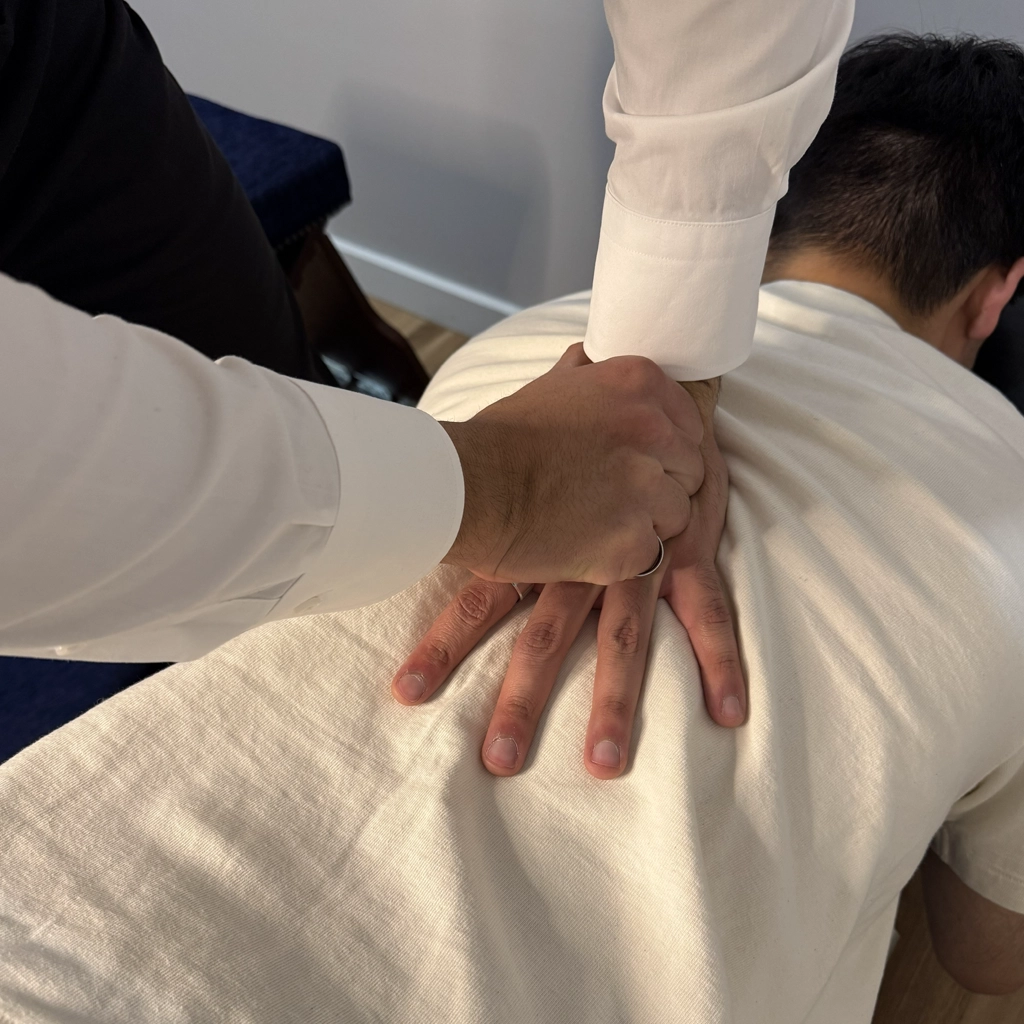
- Wake up pain free
- Move with confidence
- Live without limits
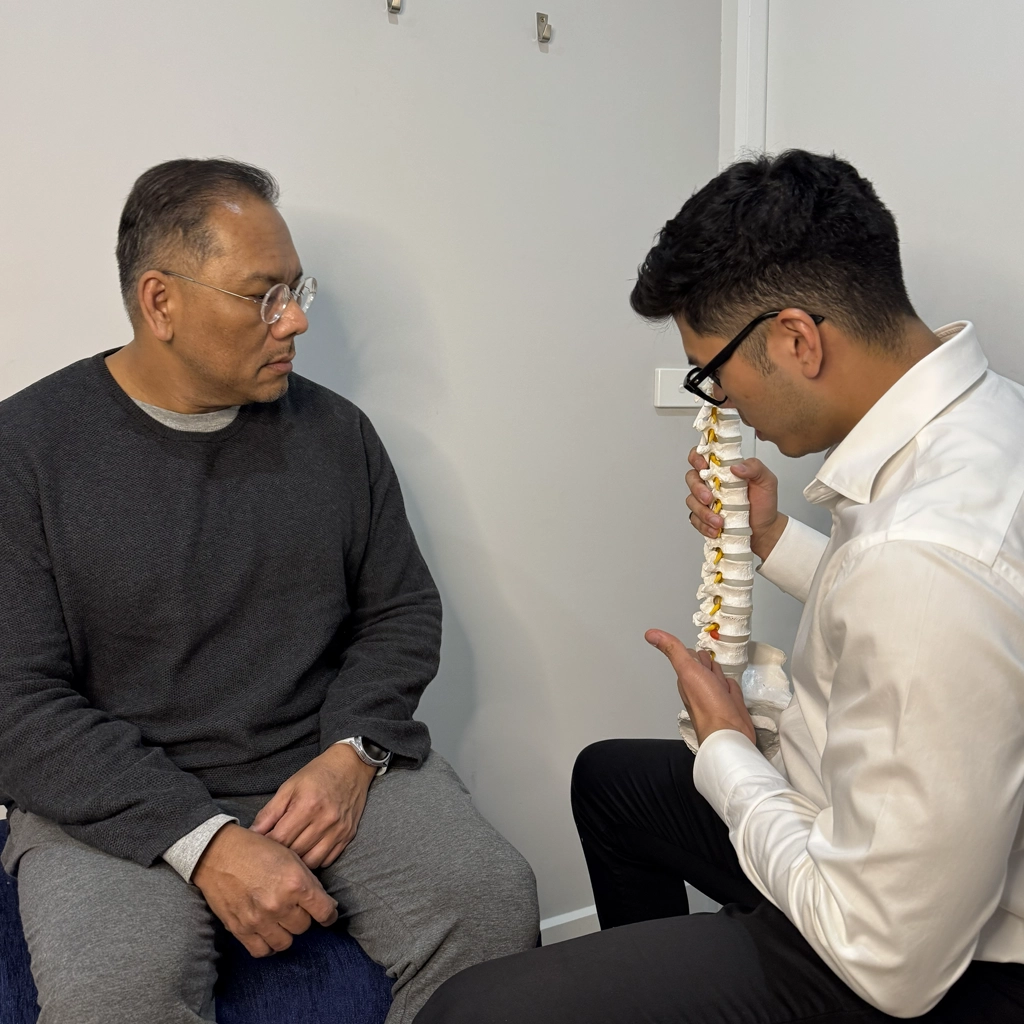
What Is a Sports Injury?
Sports injuries are generally classified into two fundamental categories :
- Acute Injuries: Occur suddenly due to a single traumatic event, such as an ankle sprain, muscle tear, or collision.
- Overuse or Repetitive Injuries: Develop subtly over time due to repeated stress on tissues that exceeds the body’s capacity for recovery, such as tendonitis (Tennis Elbow, Rotator Cuff Syndrome) or stress fractures. Overuse injuries are significantly more common.
Epidemiology and High-Risk Sports in Australia
While high-contact sports carry high rates of hospitalisation per participant (e.g., Rugby and Australian Rules Football) , the sheer volume of popular activities means many common musculoskeletal injuries come from widely played sports:
- Cycling accounts for the highest proportion of sports injury hospitalisations (12% of the total) .
- Australian Rules Football and Soccer are also major contributors to hospitalisations (8.7% and 8.6%, respectively) .
This data confirms that our local clinic must be prepared to manage a wide spectrum of injuries, from acute high-impact trauma to chronic overuse syndromes common in mass-participation activities.
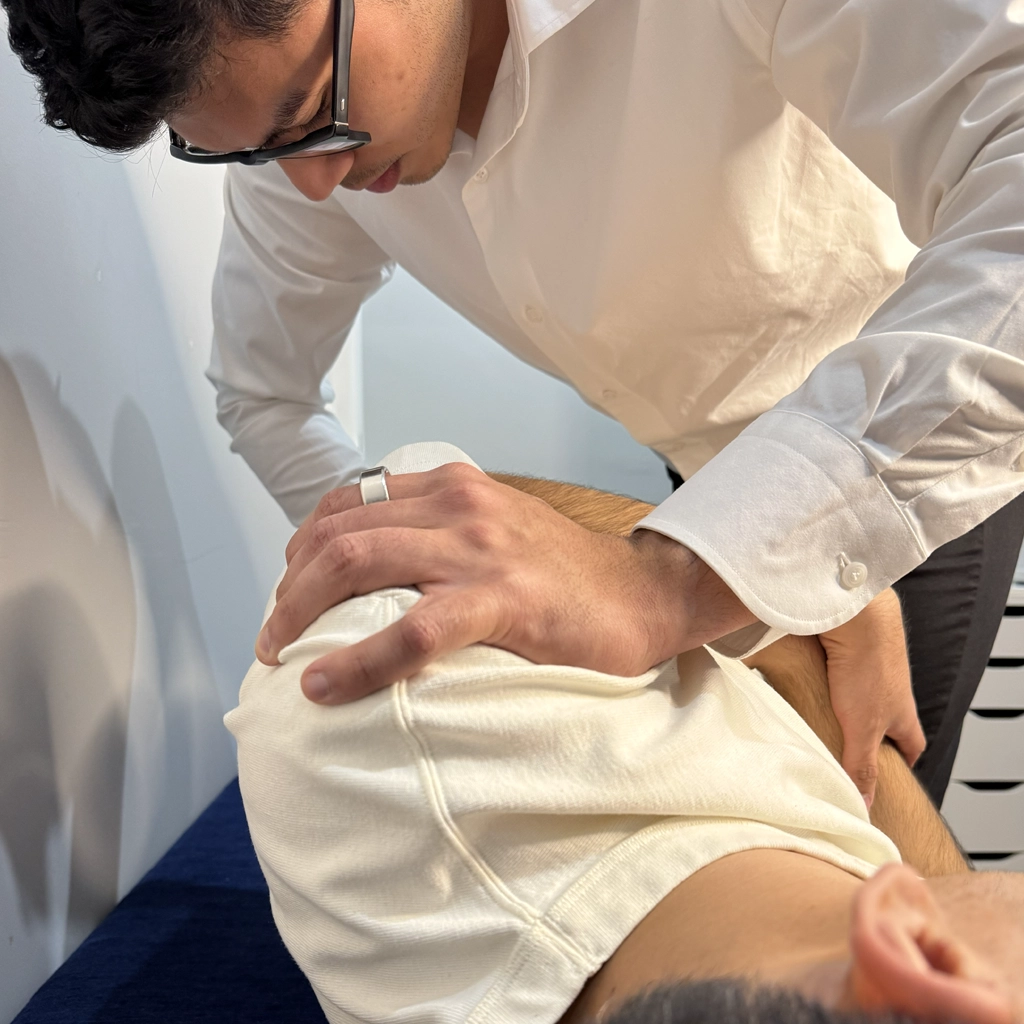
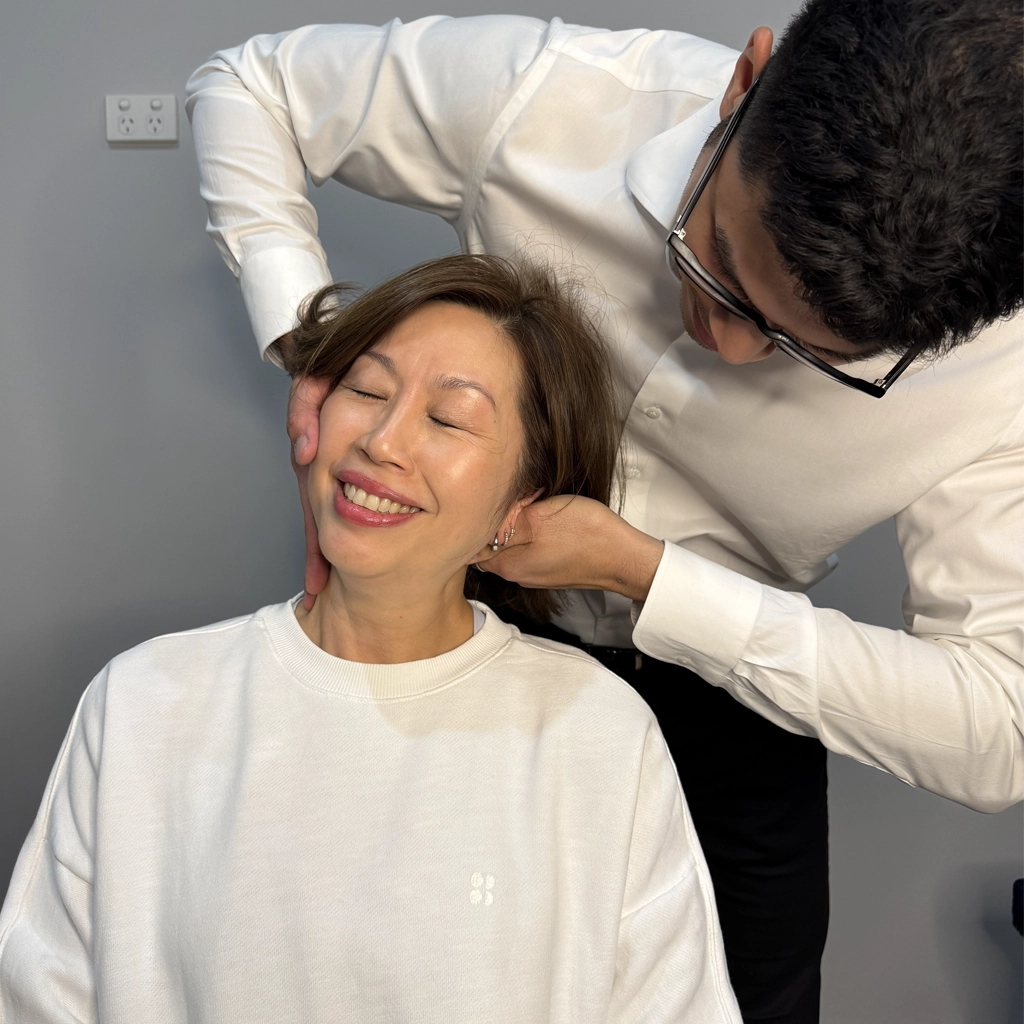
Mechanism of Injury & Pathophysiology: Biomechanics and the Kinetic Chain
Most sports injuries—especially overuse injuries—are fundamentally the result of inefficient or incorrect movement patterns (biomechanics). If the body’s kinetic chain is compromised, repetitive training stresses specific joints and soft tissues beyond their capacity, leading to eventual failure.
The Gonstead Perspective on Kinetic Chain Dysfunction
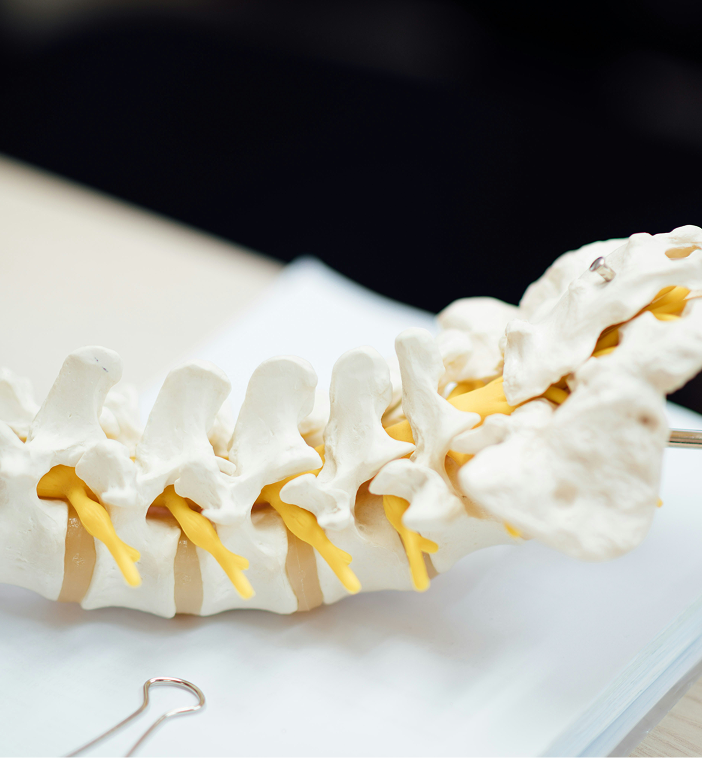
In the Gonstead system, we understand that structural integrity begins with the spine. A misalignment (subluxation) in the pelvis or lumbar spine can set off a chain reaction of compensations throughout the body, including the shoulders, hips, and knees.
- Spinal Influence: For example, stubborn shoulder pain in an overhead athlete (like a swimmer or tennis player) may not originate in the rotator cuff, but from an undetected subluxation or rib misalignment in the mid-back (thoracic spine). Correcting the rib misalignment is necessary to restore the shoulder blade’s optimal resting position and function.
- Lower Limb: Chronic knee pain or Patellofemoral Pain Syndrome (PFP) is often linked to poor mechanics in the sacroiliac joints (pelvis) or feet. Muscular inhibition caused by subluxations in the low back can prevent the quadriceps from properly controlling the knee, leading to joint wear and pain.
The goal of the Gonstead chiropractor is to identify the precise subluxation in the spine or extremity that is disrupting this kinetic chain, thereby addressing the root cause of the injury, not just the local symptom.
Common Symptoms
Sports injuries present in various ways, but all share a loss of optimal function:
Primary Symptoms of Sports Injuries:
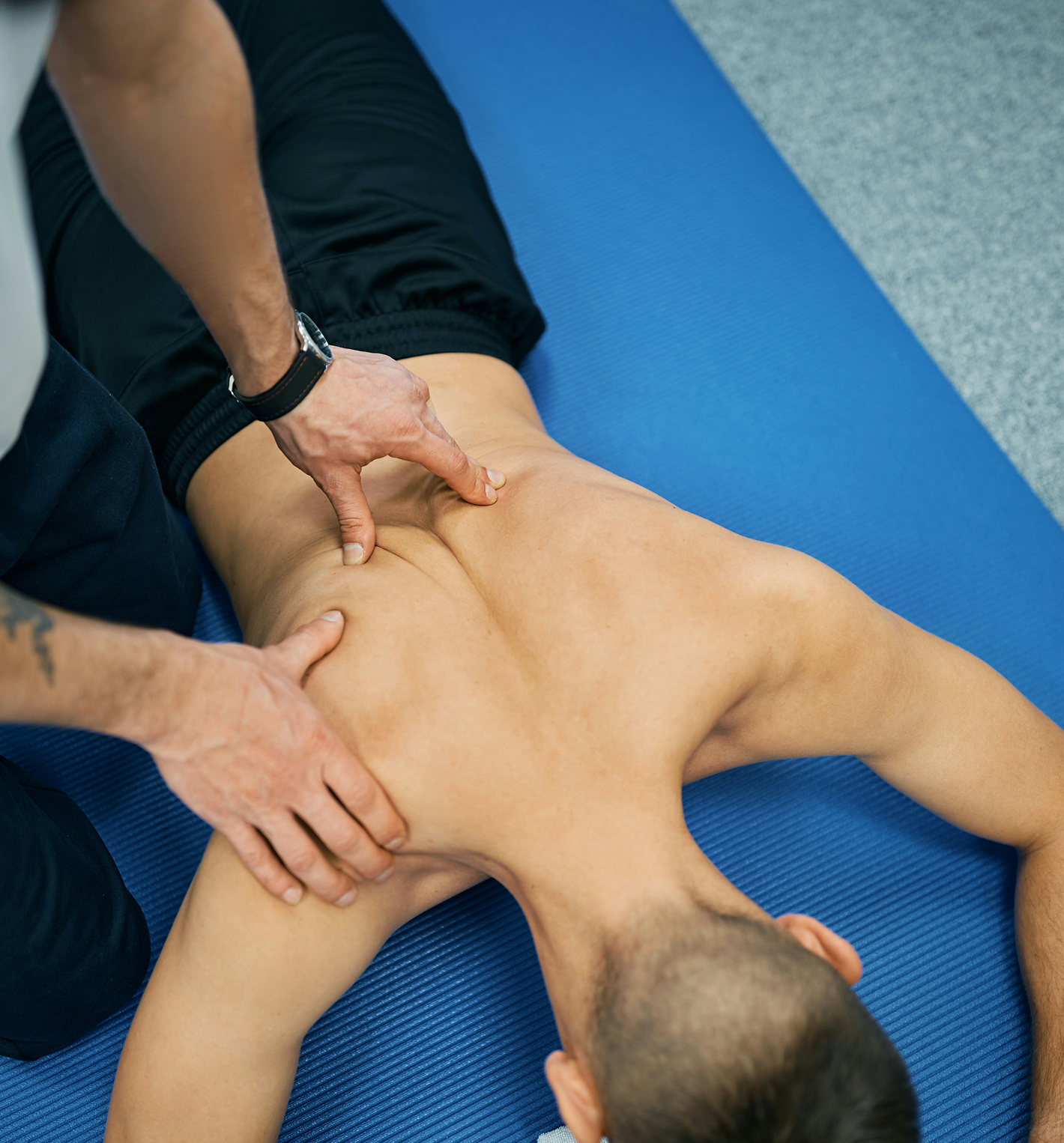
- Lingering pain, stiffness, or limited range of motion after an athletic event or workout.
- Acute Pain with associated swelling, tenderness, or bruising (e.g., sprains and strains).
- Chronic Pain specific to a tendon (tendinopathy) that worsens during and after activity, often accompanied by local tenderness (e.g., Achilles pain, Tennis Elbow).
- Inability to return to pre-injury function, loss of speed, or reduced strength.

Essential Red Flags (Seek Emergency Care)
In the context of acute sports injury, immediate medical assessment is required for potential life-threatening issues, including severe trauma or fracture. You must seek emergency care immediately if you experience:
- Signs of Concussion: Prolonged loss of consciousness, severe or increasing headache, persistent vomiting, or increasing confusion/agitation.
- Severe Neck Pain: Especially after a high-energy impact or collision.
- Focal Neurological Deficit: Clinical findings consistent with a sudden change in nerve function (e.g., weakness, numbness).
How Gonstead Chiropractic Can Help
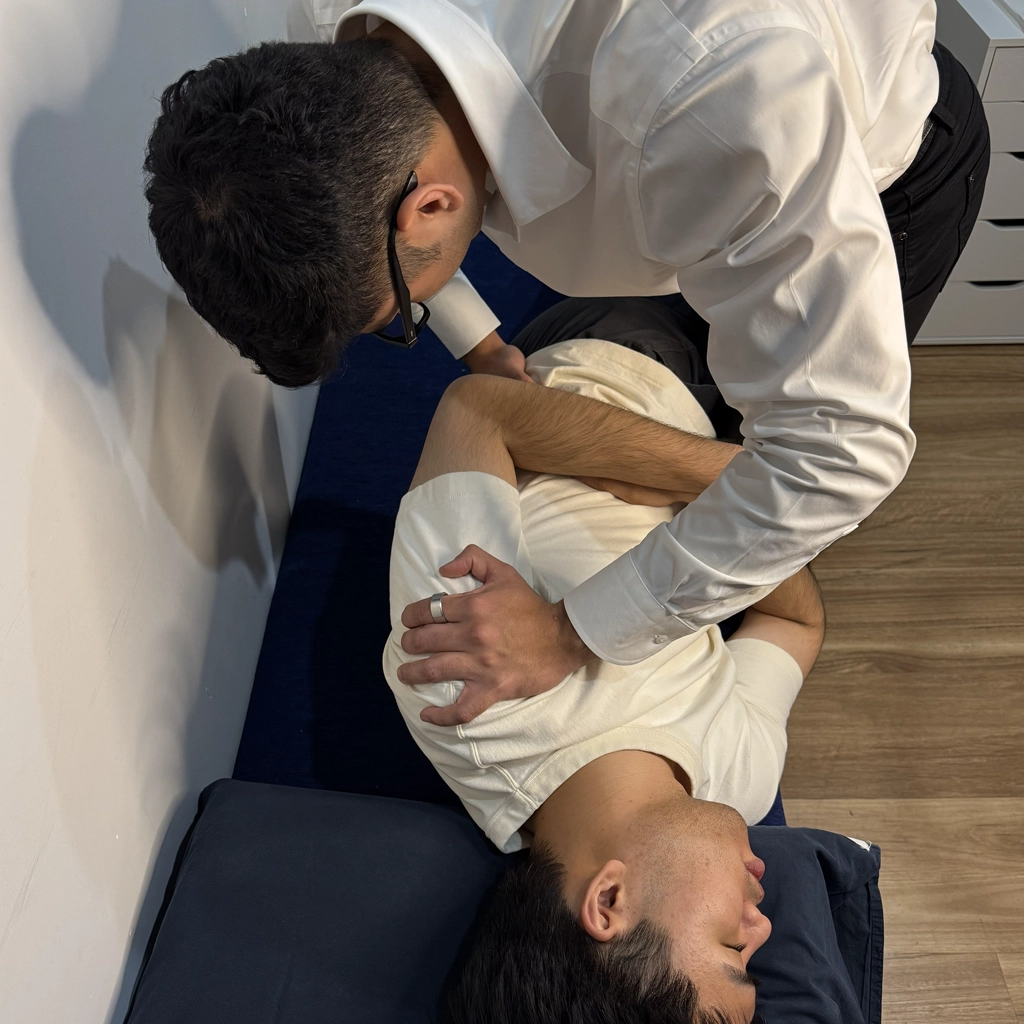
Chiropractic care is widely recognised for its ability to restore proper joint function, reduce inflammation, and accelerate healing in musculoskeletal injuries. The Gonstead System provides the optimal framework for sports injury management through its unparalleled specificity.
The Gonstead Diagnostic Advantage
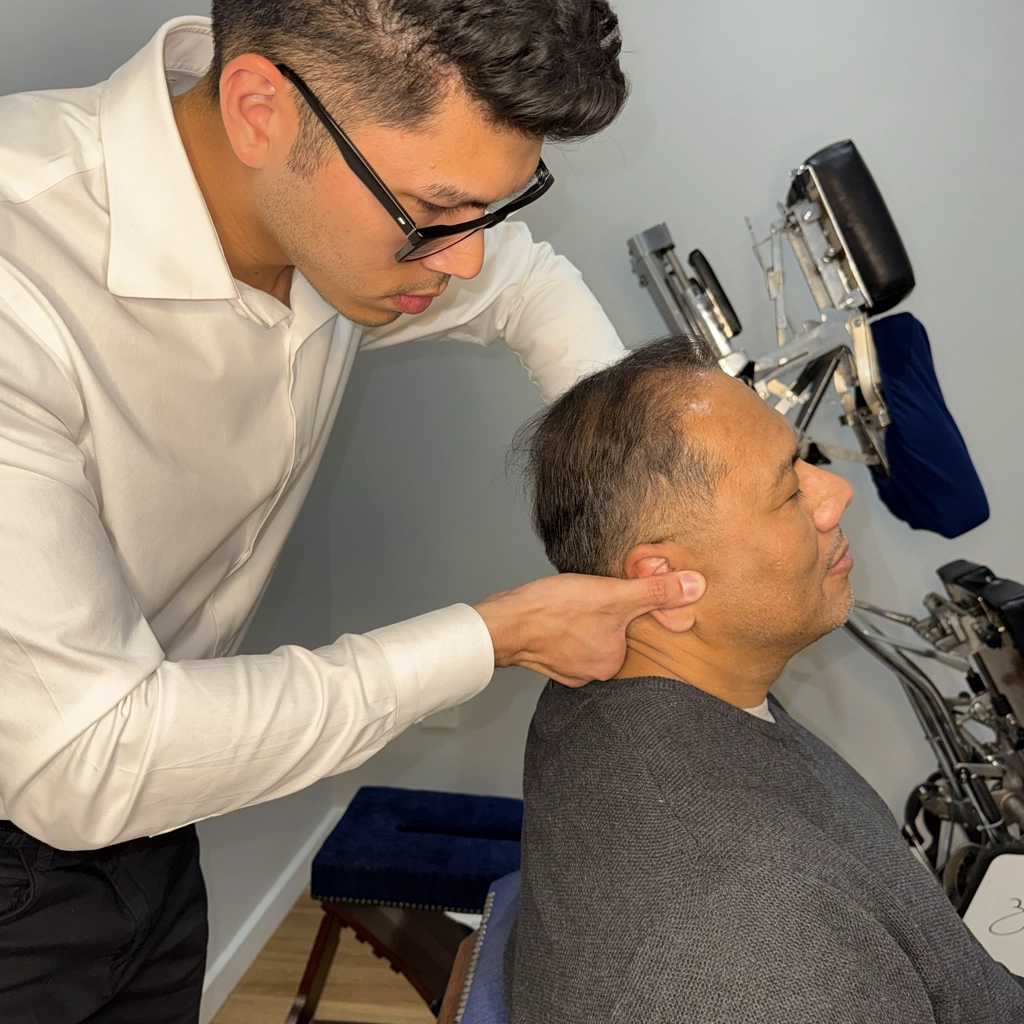
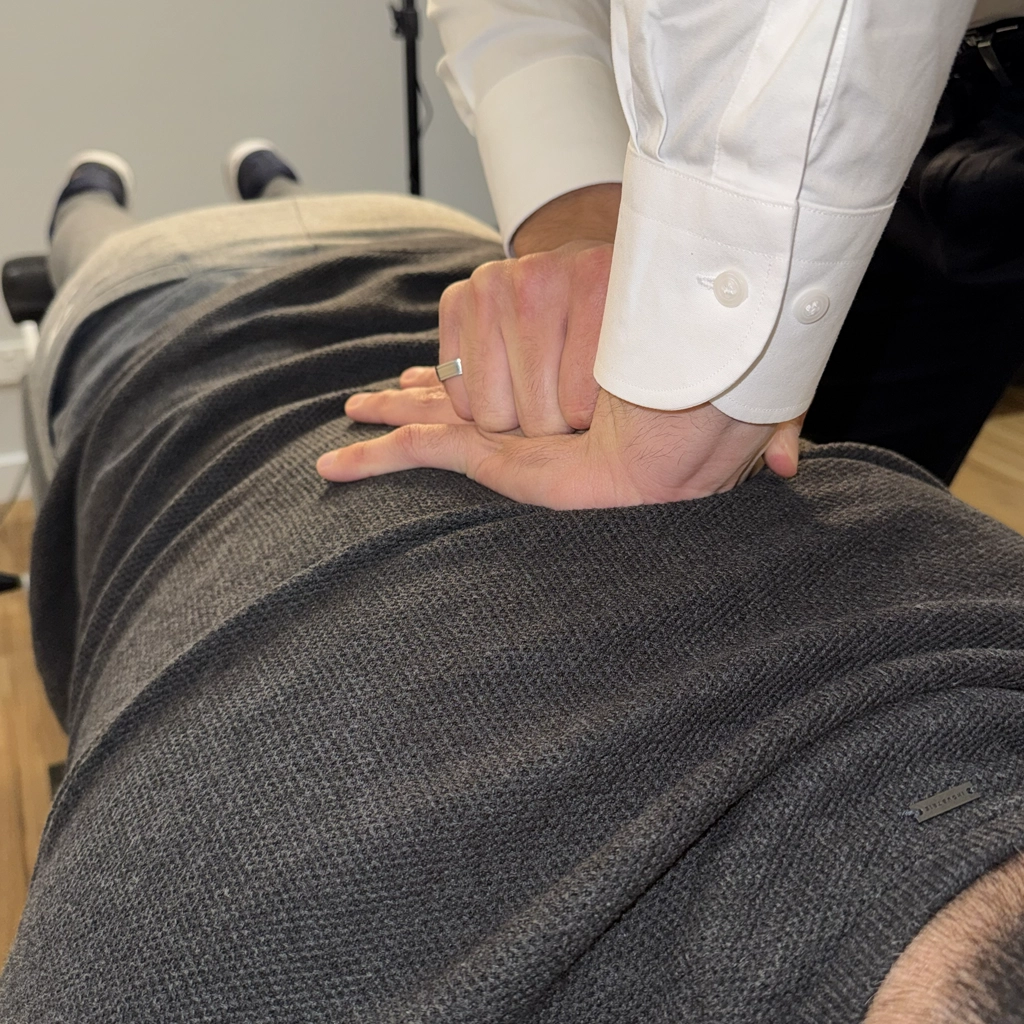
Effective sports injury management requires locating the precise structural fault, whether it’s spinal or peripheral. Dr. Jarrett uses the Gonstead 5-step analysis to ensure the treatment is correctly targeted:
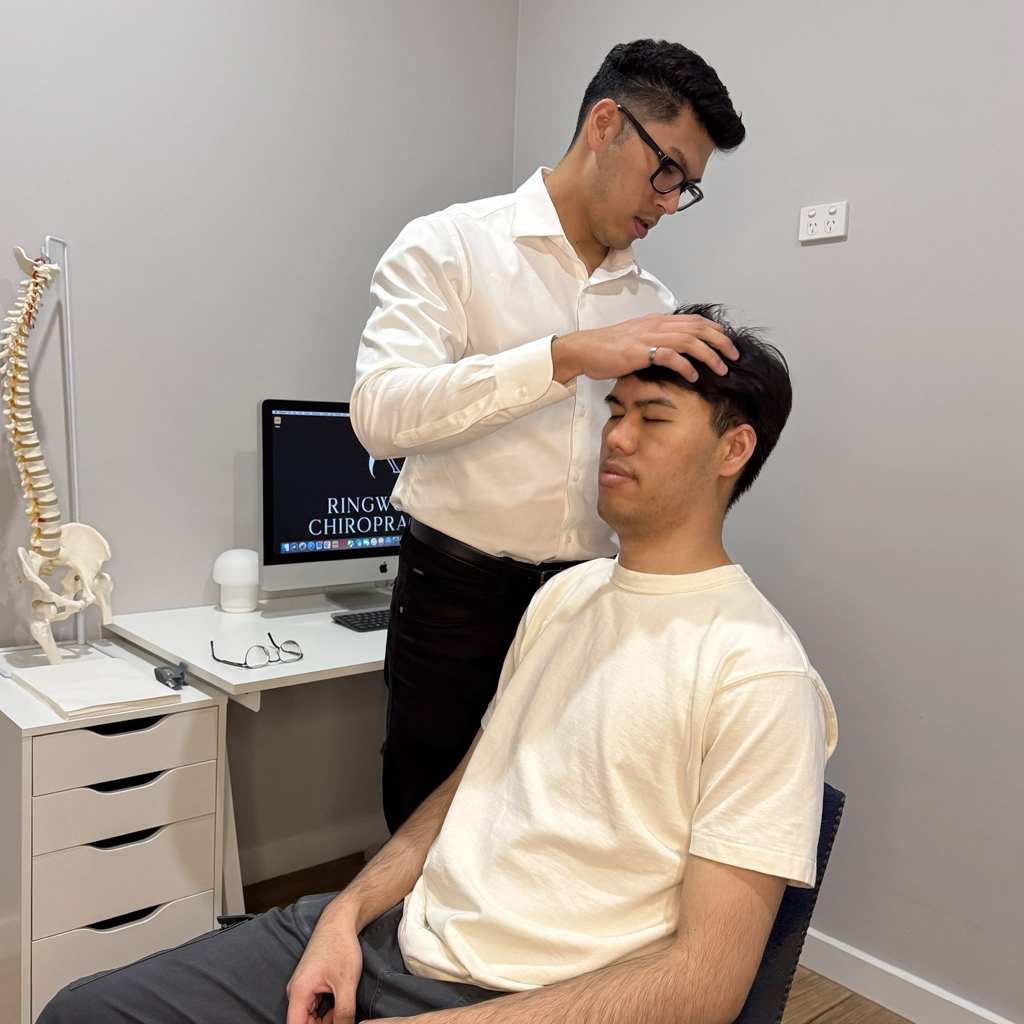
- Visualization & Postural Analysis: Observing the athlete’s body mechanics, posture, and gait to spot biomechanical inefficiencies that contribute to injury (e.g., how the knees track during a squat, or asymmetry in the pelvis).
- Instrumentation: Using the Nervo-Scope along the spine to detect specific areas of inflammation and nerve irritation, which may be driving muscular inhibition or referred pain.
- X-Ray Analysis: When clinically necessary, X-rays provide a structural blueprint to analyze the kinetic chain, checking for subtle misalignments in the spine, ribs, or extremities that require specific correction.
- Palpation (Static & Motion): Pinpointing the exact restricted joint or segment—whether it’s a thoracic vertebra affecting a swimmer’s rotation or a restricted talus in a footballer’s ankle.
Recovery, Management & Prevention
Effective management of a sports injury culminates not just in symptom relief, but in a structured return to activity and, crucially, the implementation of preventative measures.
Injury Recovery and Prognosis
Recovery times vary significantly based on injury type :
- Sprained Ankle: 2 to 8 weeks.
- Rotator Cuff Syndrome: 2 to 12 weeks.
- Hamstring Strain: 1 to 8 weeks.
- Golfer’s/Tennis Elbow: 1 to 6 weeks.
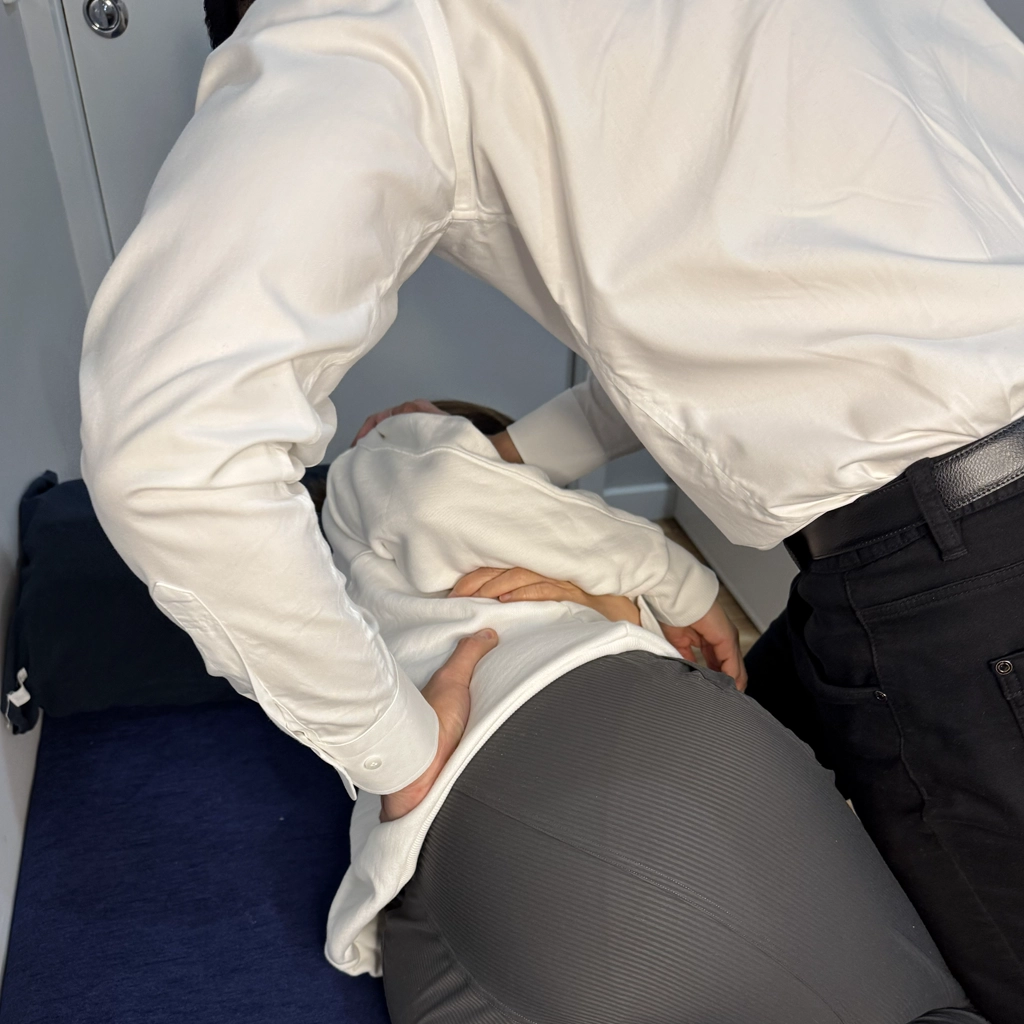
Our focus aligns with the modern P.E.A.C.E. & L.O.V.E. protocol, which emphasizes minimizing rest and integrating early, pain-guided functional loading and exercise to promote tissue healing and prevent chronic stiffness.
Prevention and Conditioning
The most effective intervention for athletic health is prevention. Studies show that structured strength training reduced overall sports injuries to less than one-third and overuse injuries could be almost halved.
We provide evidence-based guidance on:
- Hamstring & Soccer: The FIFA 11+ program is highly effective for reducing musculoskeletal injuries in soccer players.
- Ankle Injuries: Exercise protocols focusing on stretching, strengthening, balance, and coordination can reduce the risk of re-injury by 40%.
- Biomechanical Screening: Regular Gonstead check-ins help maintain proper alignment and muscular balance, reducing the structural risk of future injuries.
Your Next Steps
If you are an athlete or active individual suffering from lingering pain, stiffness, or restricted range of motion, early evaluation and specific care are critical to reducing recovery time and preventing complications.
In our practice, Dr. Jarrett specializes in the precise Gonstead System. We are committed to locating the true mechanical cause of your sports injury and providing the highest level of specific, targeted care to restore your performance.
If you’re seeking a sports injury Chiropractor in Ringwoo, book your initial consultation today to start your journey toward robust health and a faster return to play.
Why choose us?
More about
Injuries
Gonstead Chiropractic care can help athletes recover faster and heal adequately as it helps restore function to the spine and joints through precise adjustments. Thus, speeding up the healing process, reducing inflammation and pain and as well as prevent further injuries by ensuring the spine and joints are working optimally.
Book an appointment now and keep performing at your best!
Frequently asked questions
Your questions
answered.
What are the most common sports injuries treated by a Chiropractor?
We frequently treat sprains (like ankle sprains), strains (hamstring, calf), tendonitis (Rotator Cuff Syndrome, Tennis/Golfer’s Elbow), chronic joint restrictions, and spinal subluxations that contribute to pain. Overuse injuries are the most common type we see.
Can Chiropractic care help speed up recovery after a sports injury?
Yes. By restoring proper joint function and alignment with specific Gonstead adjustments, we help reduce inflammation, optimize nerve function, and enhance blood flow to the injured area, which promotes the body’s natural healing process and can result in quicker recovery times.
Does the Gonstead method treat the injury or the spine?
Both, precisely. The Gonstead approach assesses the entire kinetic chain. We treat the local joint subluxation (e.g., a restricted ankle bone), but we also correct any spinal misalignment that contributed to the biomechanical fault (e.g., a pelvic misalignment that affects hip function and strains the hamstring).
Can Chiropractic treatment directly improve athletic performance?
The scientific evidence does not convincingly support the notion that Chiropractic treatment directly improves sport performance. However, by enhancing joint mobility, flexibility, optimising nerve function for coordination, and reducing the risk of injury, specific Gonstead care can help an athlete reach their full performance potential through improved structural health.
What makes the Gonstead system different for treating complex injuries?
The Gonstead system is known for its high level of specificity. Dr. Jarrett uses objective analysis (Nervo-Scope, X-ray) to identify the exact segment—in the spine or extremity—that needs correction. This precision prevents unnecessary adjustments and ensures the core structural problem causing the inefficiency and pain is resolved.
Ten reasons
Why Clients Choose Us
When it comes to your health, you want care that’s precise, modern, and genuinely effective. Here’s why patients trust us:
Proven Experience
Highly trained in the Gonstead system ensures you’re in skilled, capable hands.
Personalised Care
Every treatment plan is tailored to your condition and lifestyle.
Precise Gonstead Adjustments
Highly targeted corrections designed for faster, longer-lasting results.
Thorough Assessments
We take time to understand your condition with posture checks, scans, and X-rays.
Diagnostic Accuracy
Advanced technology like thermography and imaging eliminates guesswork.
Modern Approach
Premium, up-to-date chiropractic care delivered in a welcoming environment.
Focus on Results
Our goal is to get you feeling better in the shortest time possible, without cutting corners
Detailed Support
From sports injuries to chronic pain, we help a wide range of conditions at every stage of life.
Clear Communication
We explain your care step by step, so you feel confident and informed at every visit.
Caring Team
Empathetic, approachable, and committed to helping you get back to the life you love.
Our location
Where we are located
Ringwood Chiropractic
139B Wantirna Road, Ringwood VIC 3134, Australia
Parking Information
Convenient on-site parking is available for patients, with additional spaces located on nearby streets. Please allow a few extra minutes during peak times to find a spot.
Take the First Step Toward Relief
You don’t have to live with pain or discomfort holding you back, your solution is closer than you think.