

Extremity Pain
Musculoskeletal health extends far beyond the spine. While issues of the neck and back often dominate clinical discussion, pain and dysfunction in the extremities—the shoulders, elbows, wrists, hips, knees, and ankles—are equally prevalent and debilitating.
In Australia, around 7.3 million people, equating to 29% of the population, were estimated to be living with a chronic musculoskeletal condition in 2022 1, demonstrating the massive need for high-quality care.
Painful chronic ankle sprains, persistent plantar fasciitis, nagging carpal tunnel syndrome, and restrictive shoulder impingement require more than generic symptom management. Achieving optimal movement requires meticulous attention to the entire kinetic chain.
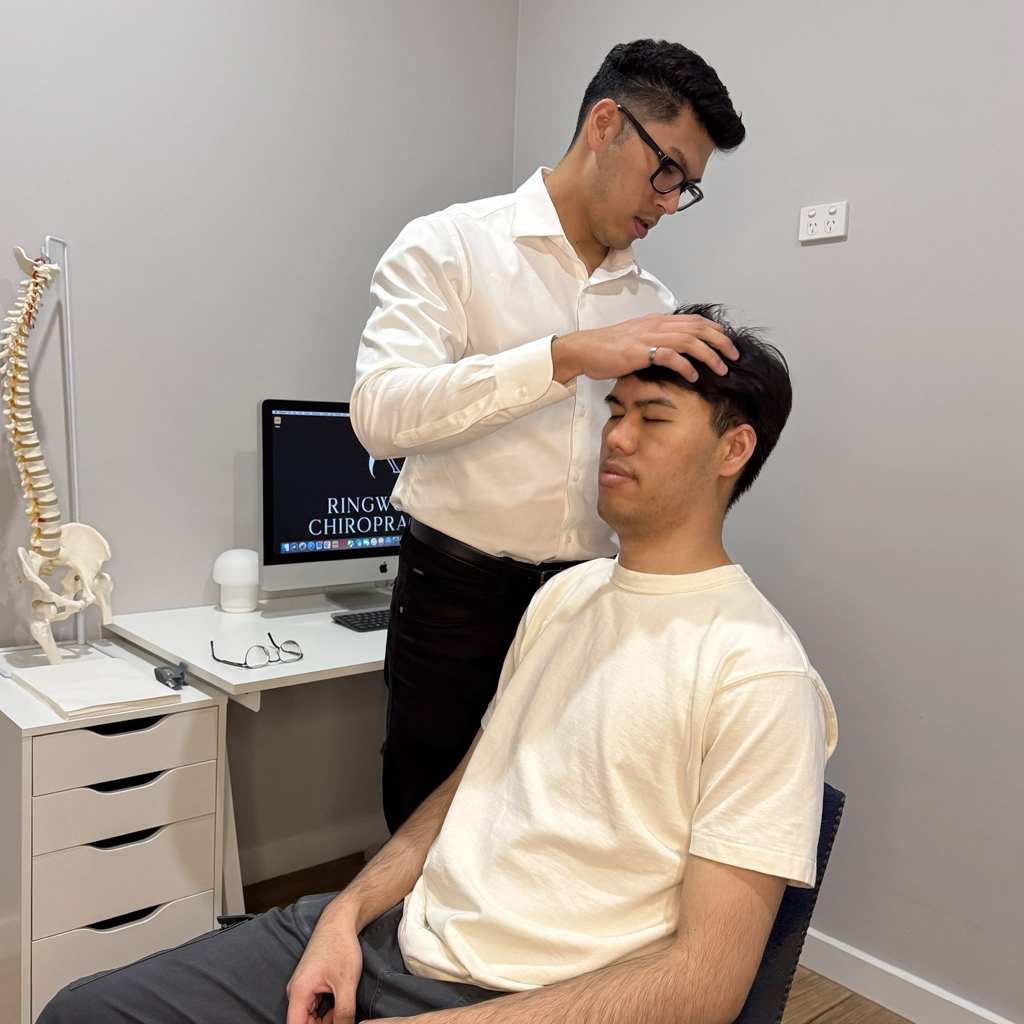
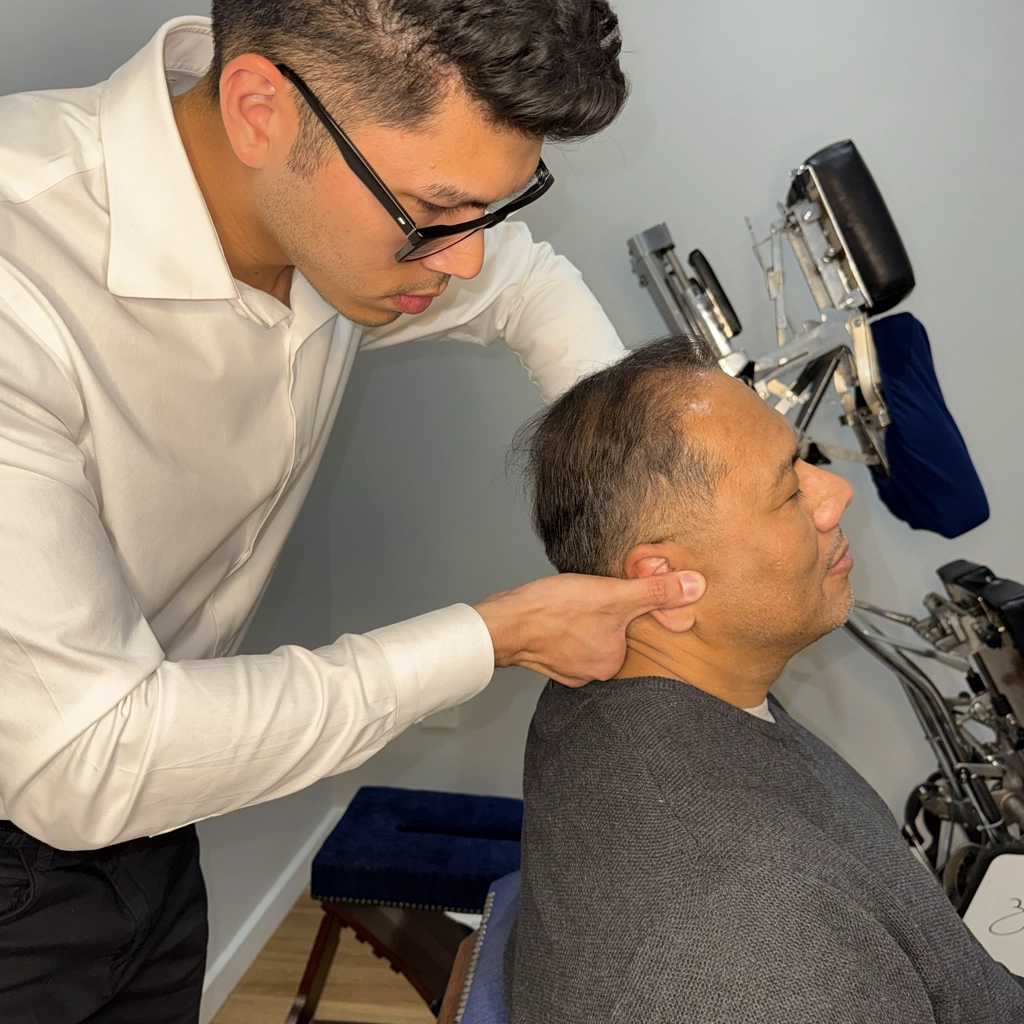
As your local Chiropractor, our clinical approach—led by Dr. Jarrett—is centred on the highly specific Gonstead System. This methodical approach is designed to pinpoint the precise mechanical fault—whether it originates locally in the peripheral joint or is referred from the central nervous system—ensuring you receive targeted and effective treatment for extremity pain relief Ringwood.
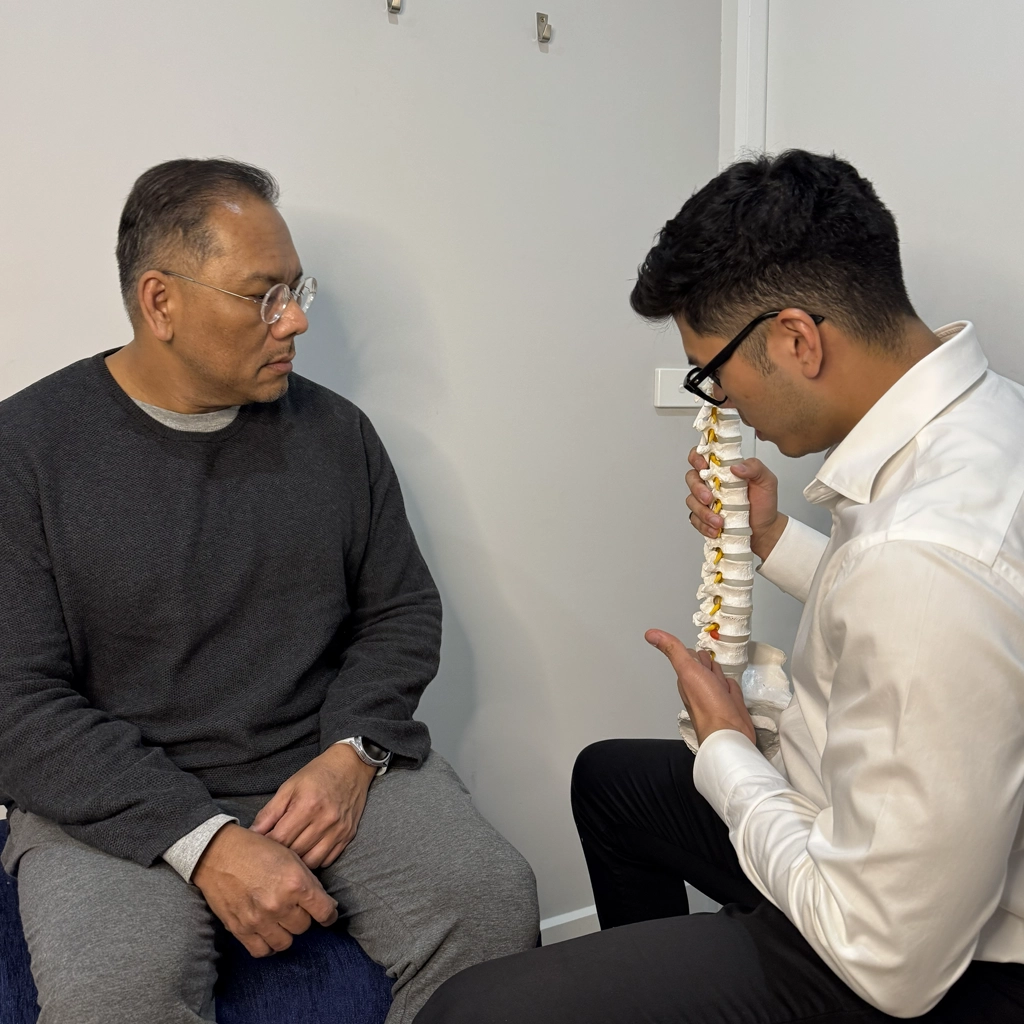
- Wake up pain free
- Move with confidence
- Live without limits
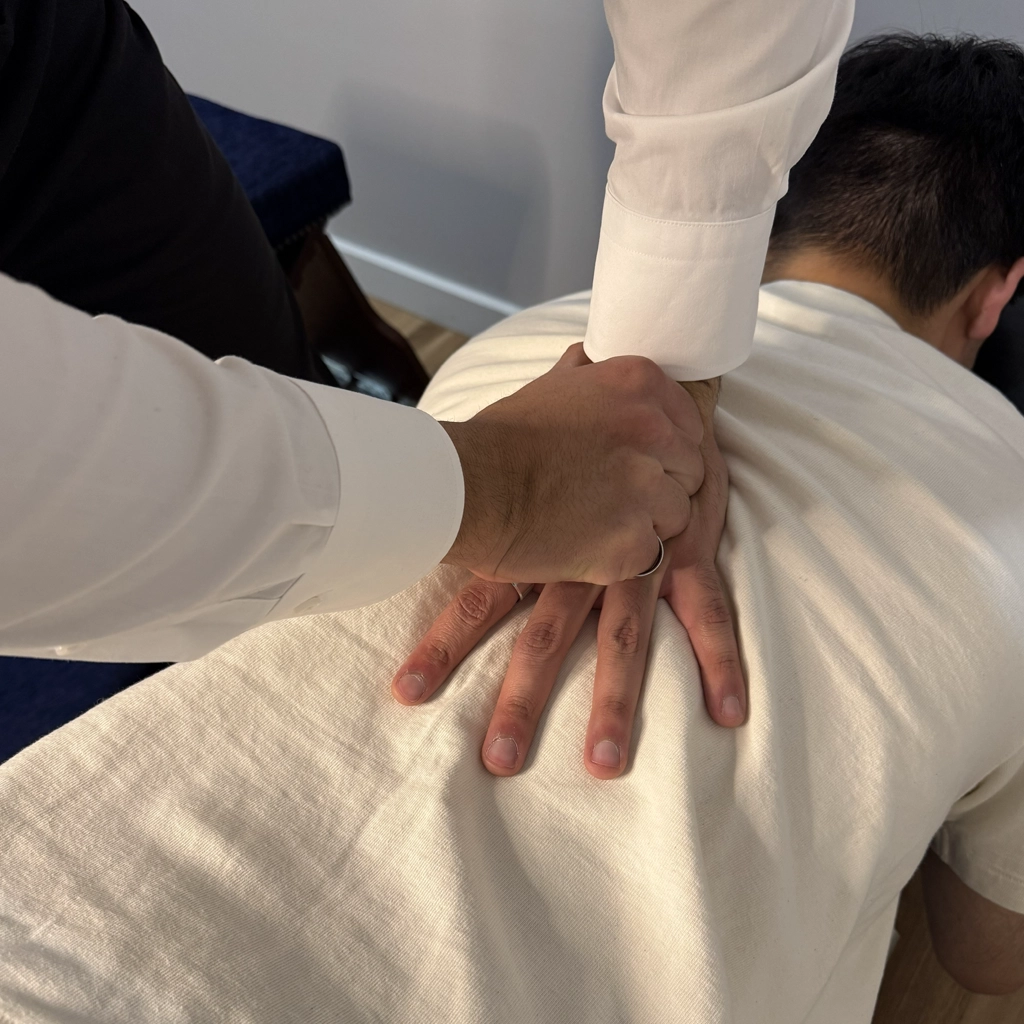
What is Extremity Pain
Extremity pain refers to discomfort and dysfunction arising in the peripheral joints and limbs, separate from the spine. This includes the upper extremities (shoulder, elbow, wrist, hand) and lower extremities (hip, knee, ankle, foot).
Epidemiology and Risk Factors
Chronic musculoskeletal conditions affect nearly three in ten Australians, with pain in the extremities being a major component . This pain is frequently found in people of working age and is driven by:
- Repetitive Strain: Common in the workplace, leading to conditions like Carpal Tunnel Syndrome (CTS) or Lateral Epicondylitis (Tennis Elbow).
- Sports Injuries: Including acute trauma and overuse injuries like rotator cuff tendinopathy or chronic ankle instability.
- Biomechanical Deficiencies: Subtle alignment issues in the foot (e.g., collapsed arch) or hip that cause mechanical stress further up or down the kinetic chain, leading to knee or heel pain.
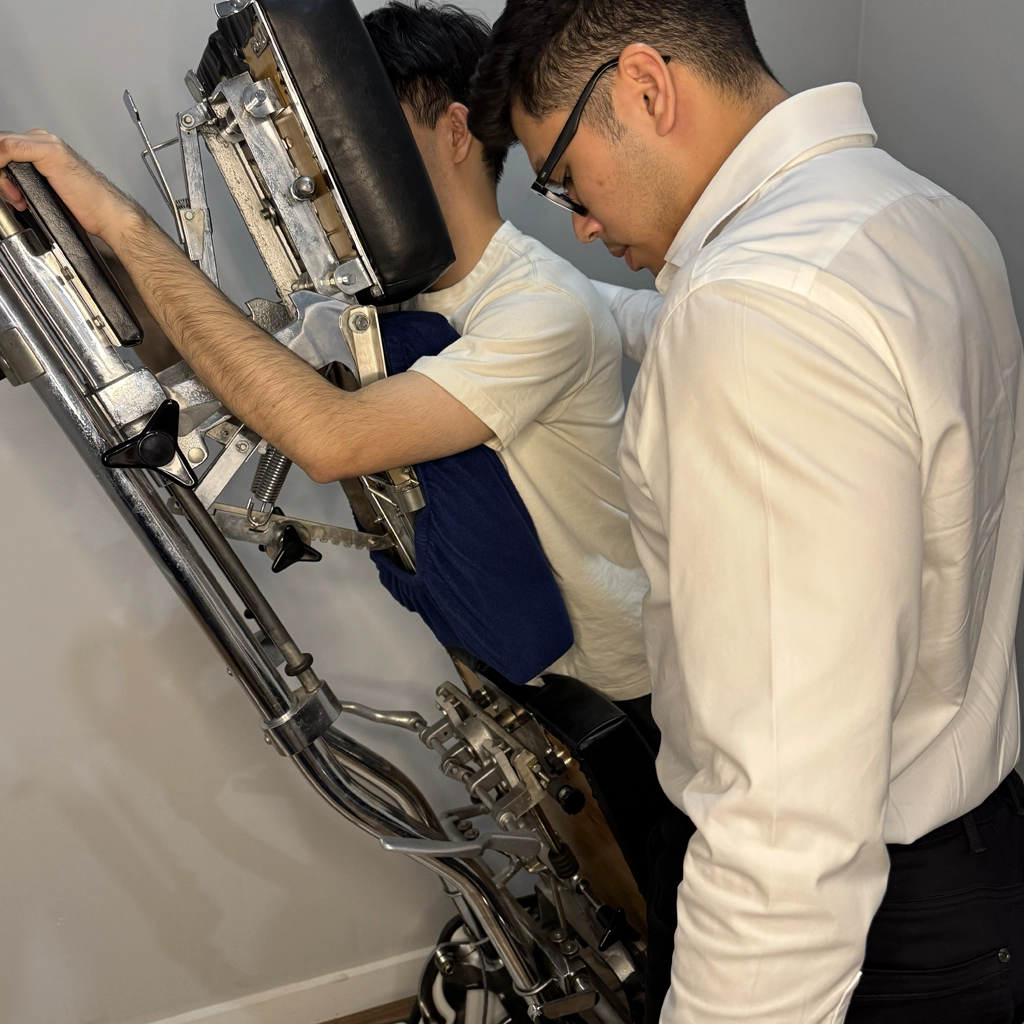
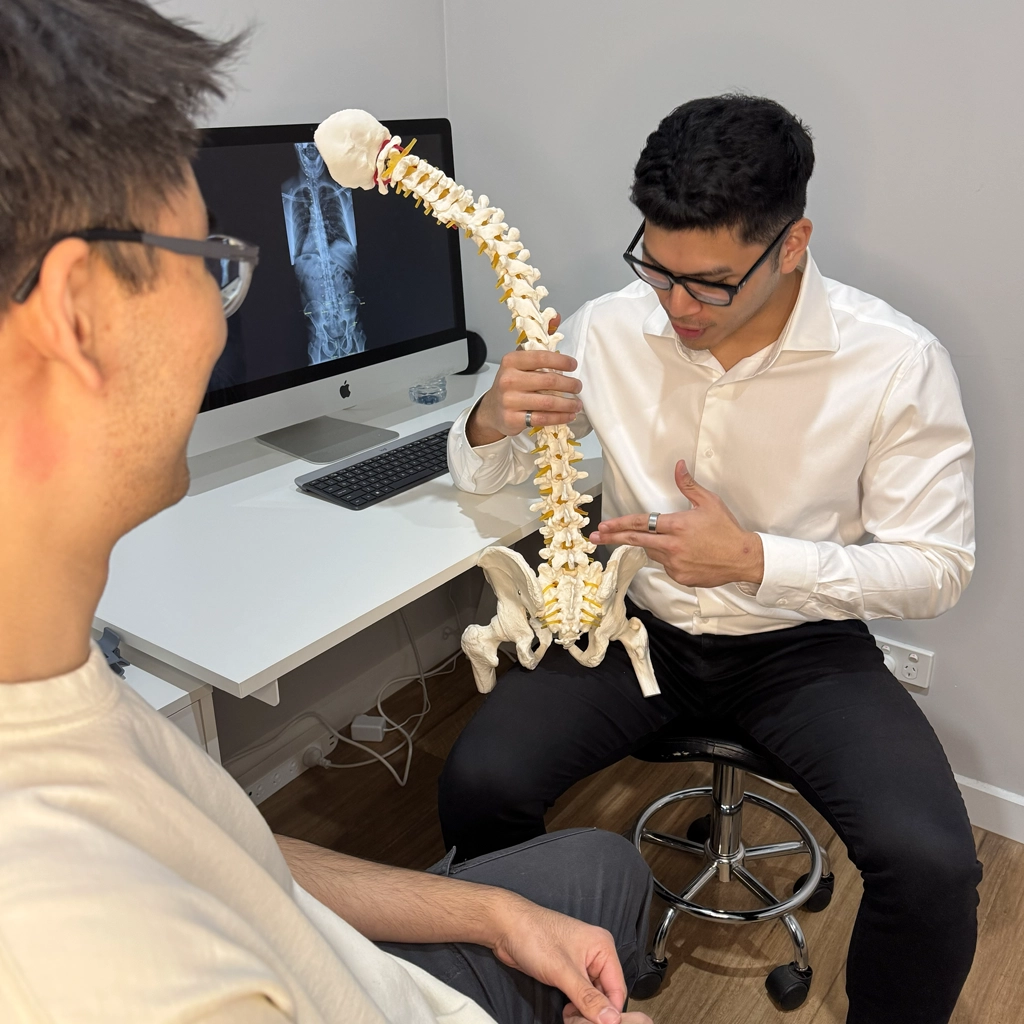
Mechanism of Injury & Pathophysiology: Spine vs. Periphery
Effective management of extremity pain relies fundamentally on accurate diagnosis: differentiating between pain arising directly from the joint and pain that is symptomatic of nerve root irritation originating in the spine.
The Central Connection (Referred Pain)
Pain, numbness, or weakness in an extremity can often be referred from a compressed spinal nerve root (radiculopathy).
- Upper Limb: Pain, tingling, or weakness in the arm or hand often relates to nerve roots exiting the neck (C5–T1).10 A Gonstead subluxation in the cervical spine can mimic a local condition like Carpal Tunnel Syndrome.
- Lower Limb: Sciatica pain radiating into the hip, thigh, or foot is caused by irritation of the lumbar or sacral nerve roots (L4–S3).
Localized Joint Dysfunction
When the pain is local, it arises from mechanical restriction, soft tissue pathology (e.g., tendinopathy), or misalignment within the peripheral joint complex itself (e.g., a restricted carpal bone in the wrist or a restricted talus in the ankle). These mechanical faults require specific, hands-on correction.
Essential Clinical Red Flags (Seek Emergency Care)
- Acute joint pain and swelling accompanied by fever.
- Complete inability to use or bear weight on the limb (non-traumatic onset) .
- Severe, unrelenting pain not relieved by rest (especially night pain).
How Gonstead Chiropractic Can Help
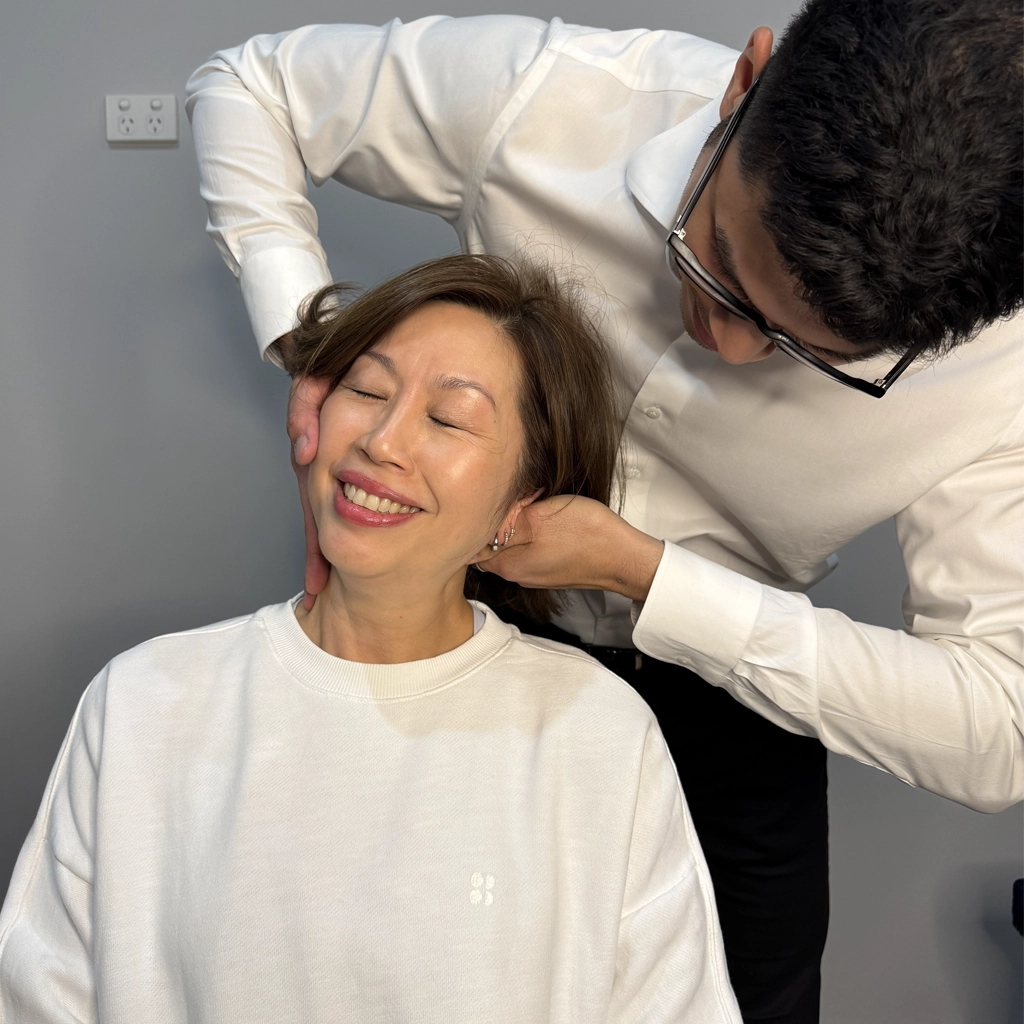
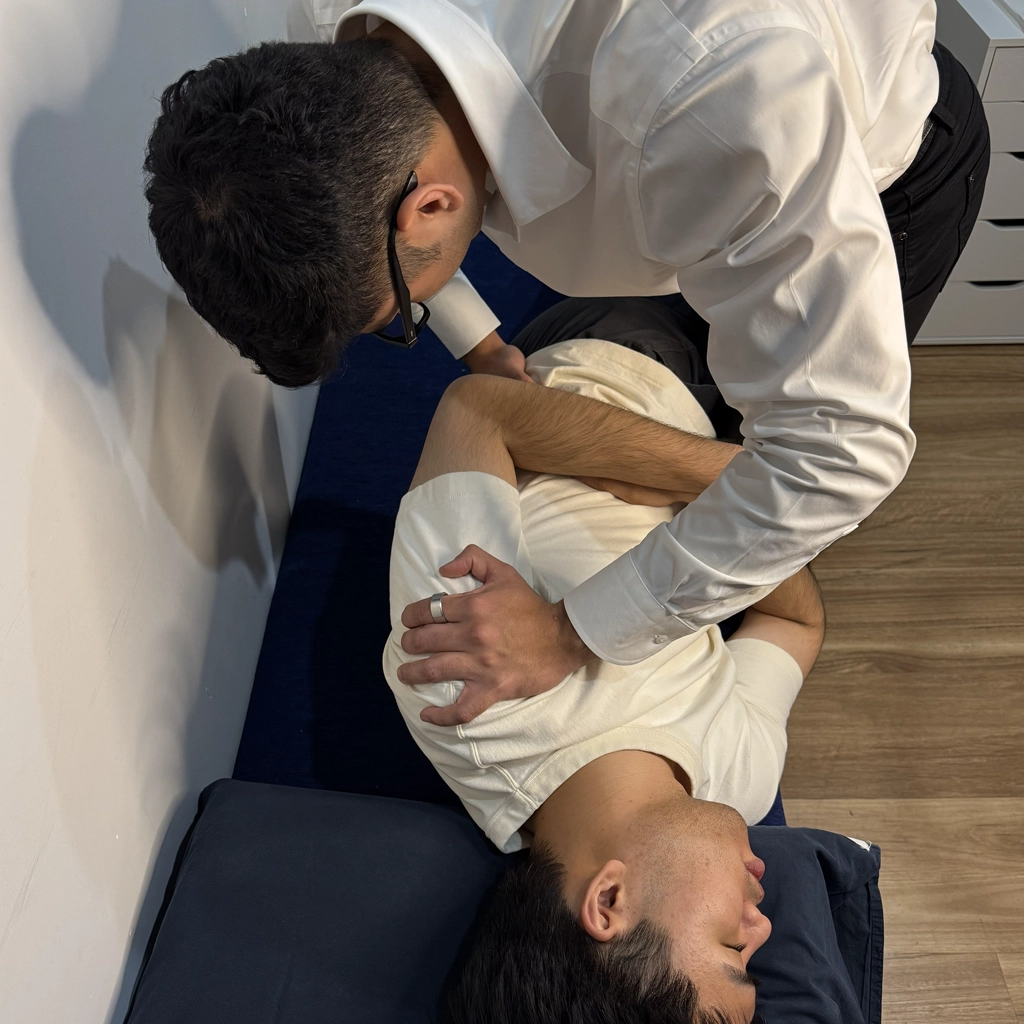
The Gonstead System provides a distinct advantage for extremity pain because its principles of precision and specificity extend beyond the spine to every peripheral joint . Dr. Jarrett first rules out central nerve involvement, then focuses meticulously on the local mechanical fault.

Specific Adjustments for Extremity Joints
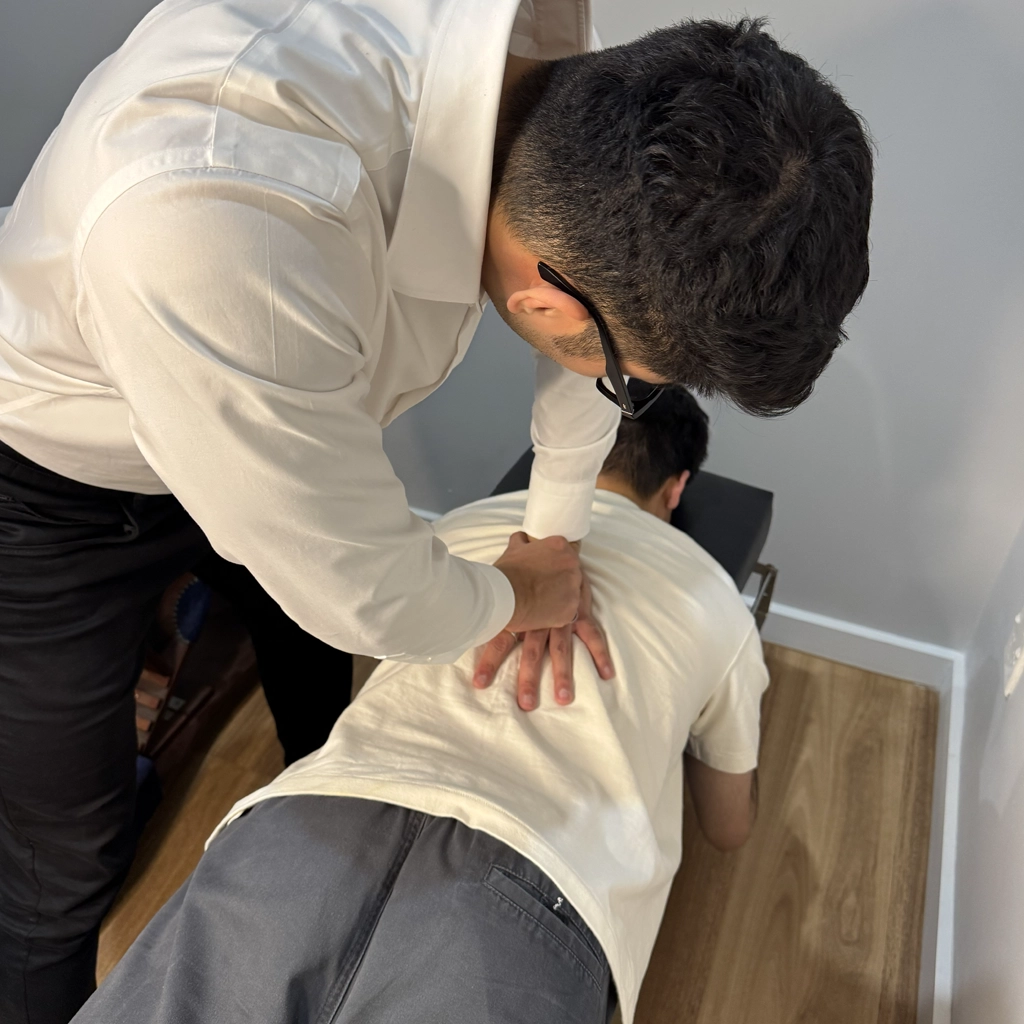
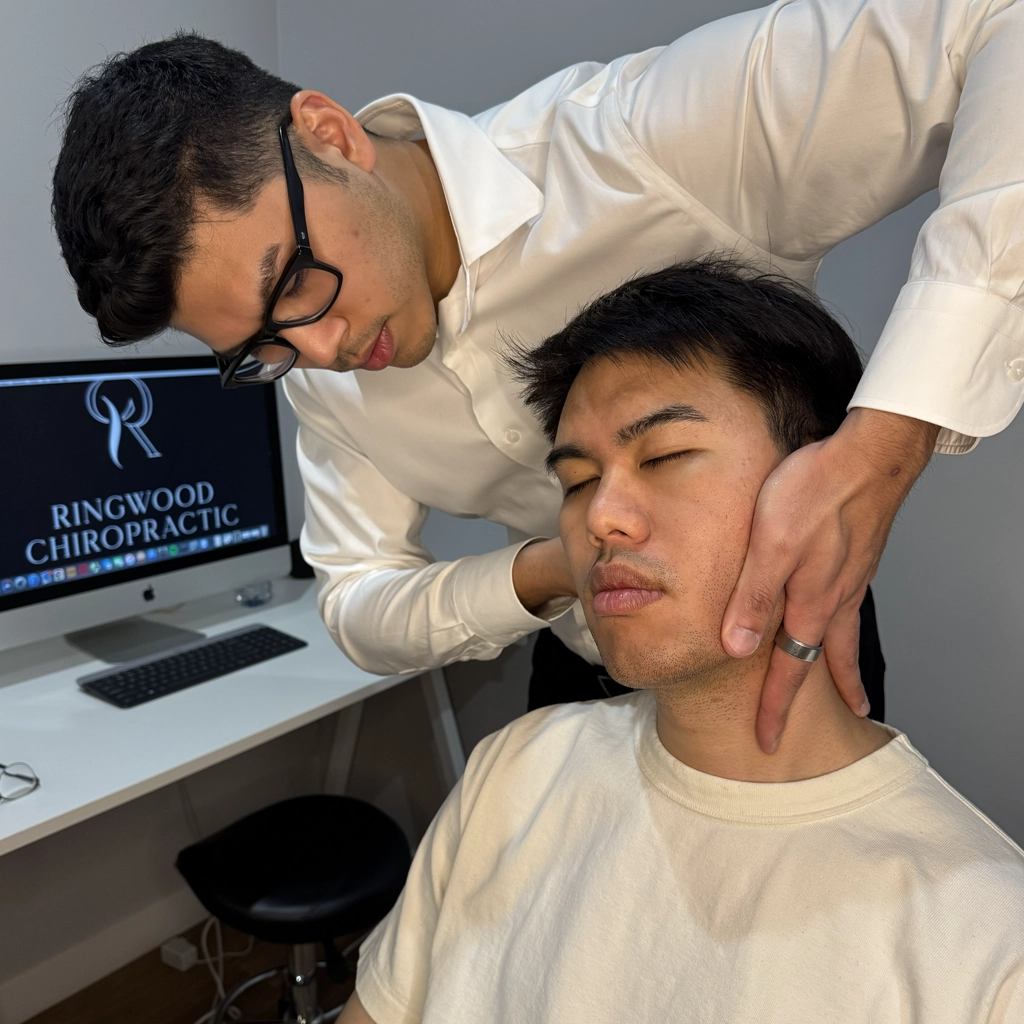
Once a peripheral subluxation is definitively located, the adjustment is delivered using minimal force along the precise plane of correction (HVLA thrust). This specificity is the key to lasting extremity pain relief.
- Shoulder and Elbow: Specific adjustments target subluxations of the glenohumeral, AC joint, or the radial head/ulna, which are highly effective for conditions like Tennis Elbow.
- Wrist and Hand (CTS): Adjusting specific carpal bones and the elbow/spine (C6-T1 nerve roots) provides a less invasive option for Carpal Tunnel Syndrome.
- Ankle and Foot: Specific adjustments to the talus or cuboid bone are demonstrably superior to passive treatments for conditions like chronic ankle sprains and Plantar Fasciitis.
Recovery, Management & Prevention
The Gonstead Diagnostic Advantage
Recovery Timelines and Functional Improvement
Recovery is highly dependent on the condition, but specific correction accelerates the process. For instance, specific joint manipulation for chronic ankle sprains led to superior reduction in pain and increased ankle function compared to passive therapy.14
- Acute Sprains/Strains: 1 to 8 weeks.
- Tendonitis (Elbow/Wrist): 1 to 6 weeks.
- Plantar Fasciitis: 2 weeks to 2 months.
Prevention and Posture
Prevention involves addressing the entire kinetic chain. We provide guidance on:
- Ergonomics: Correcting poor desk posture to reduce strain on the cervical spine, which can refer pain to the wrist and shoulder.
- Specific Strengthening: Using evidence-based rehabilitation protocols to build muscular resilience and prevent the re-injury of vulnerable joints, such as the high recurrence rate associated with ankle sprains.
- Regular Check-ins: Periodic Gonstead check-ins help identify subtle subluxations in the spine or extremities before they develop into chronic pain.
Your Next Steps
At Ringwood Chiropractic, Dr. Jarrett specialises in the precise Gonstead System, ensuring we locate and correct the root cause of your pain.
If you’re seeking a Chiropractor for accurate and specific extremity care, book your initial consultation today to start your journey toward lasting relief.
Frequently asked questions
Your questions
answered.
What causes extremity pain?
Extremity pain is caused by either local mechanical failure (subluxations/restrictions in the shoulder, ankle, knee, etc.) or by referred pain from an irritated nerve root in the spine (radiculopathy), such as sciatica or cervical nerve irritation. Our Gonstead analysis is designed to differentiate between these two causes.
Can chiropractic help with non-spinal conditions like ankle sprains or Carpal Tunnel Syndrome?
Yes. Chiropractic care, particularly the Gonstead approach, includes specific adjustments for extremity joints. Studies show that specific ankle adjustments are superior to passive treatments for chronic sprains, and adjustments for the wrist and spine can significantly improve symptoms of Carpal Tunnel Syndrome.
What makes the Gonstead method different for extremity care?
The Gonstead system is unique because it uses its 5-step analysis (including palpation and X-rays) to determine the exact bone requiring adjustment and the precise line of correction (vector). This ensures the adjustment is highly specific to the mechanical fault—whether it is a restricted carpal bone in the wrist or a sacral misalignment affecting the hip.
How long does it take to see improvement for extremity pain?
Recovery varies. Acute injuries like simple sprains may improve within 1-8 weeks, but chronic conditions like Plantar Fasciitis or persistent shoulder issues require consistent care over 2 to 6 months. Dr. Jarrett focuses on delivering specific corrections quickly and complementing this with functional rehabilitation for long-term results.
Do you use other therapies besides adjustments for extremity issues?
Yes. We often integrate Instrument Assisted Soft Tissue Mobilisation (IASTM) to manage soft tissue pathology like tendinopathy and scar tissue (e.g., in Tennis Elbow or chronic ankle sprains). This ensures that while the joints are aligned, the surrounding muscles and tendons are healthy enough to hold the correction.
Our location
Where we are located
Ringwood Chiropractic
139B Wantirna Road, Ringwood VIC 3134, Australia
Parking Information
Convenient on-site parking is available for patients, with additional spaces located on nearby streets. Please allow a few extra minutes during peak times to find a spot.
Take the First Step Toward Relief
You don’t have to live with pain or discomfort holding you back, your solution is closer than you think.