

Back Pain
Low back pain (LBP) does more than just cause discomfort; it steals freedom. Whether it prevents you from lifting your children, focusing at work, or simply enjoying the beautiful parks around Ringwood, LBP can severely diminish your quality of life. At Ringwood Chiropractic, we understand the profound impact this condition has, especially considering its scope across Australia.
Data confirms that approximately 4.0 million Australians (16%) were estimated to be living with back problems in 2022, cementing LBP as the third leading cause of disease burden overall. This is not a minor inconvenience; it is a significant national health concern that demands specific and effective care.
If you are seeking genuine, lasting relief from back pain in Ringwood, Croydon, Heathmont, or surrounding Melbourne suburbs, generalized treatment is often not enough. Our clinical approach, led by Dr. Jarrett, offers a highly specific solution: the Gonstead System of Chiropractic. We utilise objective analysis—including specialized instrumentation and structural X-rays—to locate the precise cause of your pain. Our mission is to restore proper spinal function at the root of the problem, helping you move past the symptoms and reclaim your life.
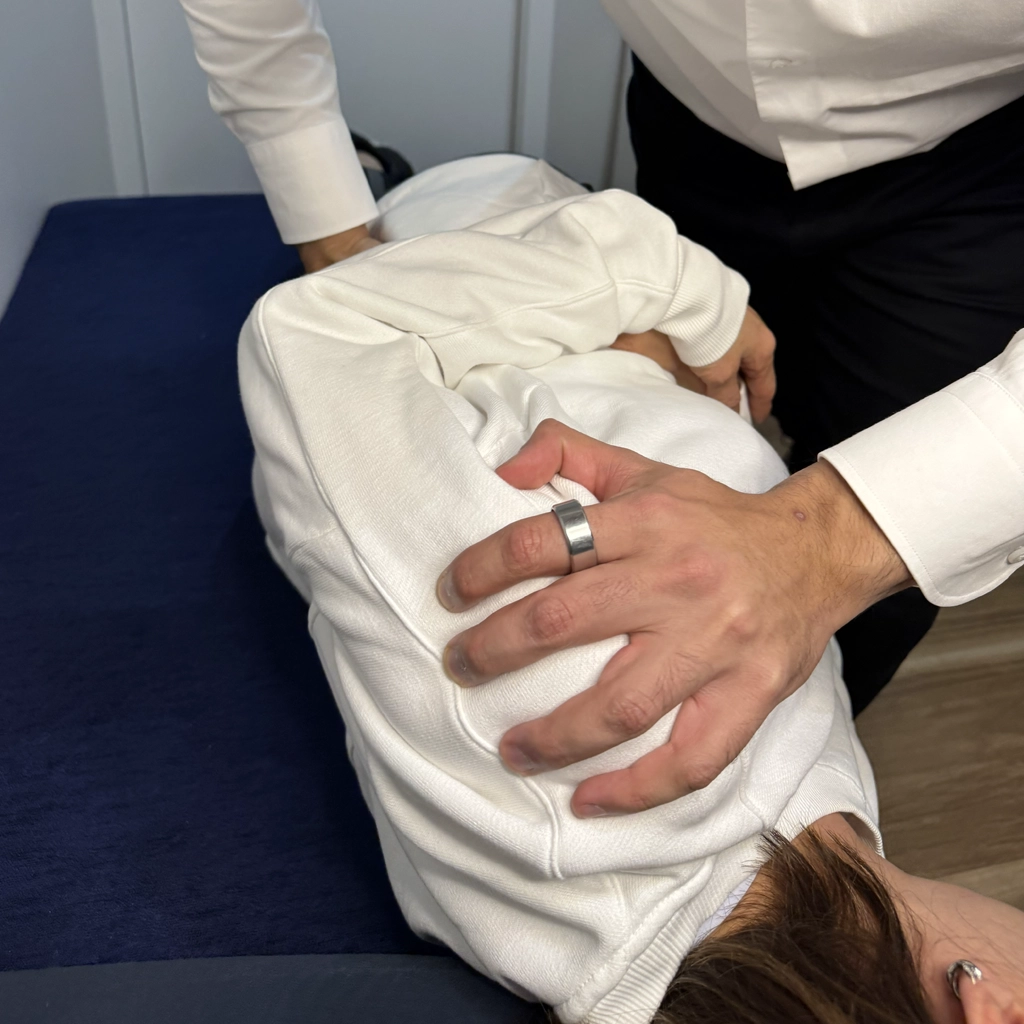
- Wake up pain free
- Move with confidence
- Live without limits
What is Low Back Pain?
Low back pain is clinically defined as pain or discomfort located anywhere between the bottom of the ribs and the gluteal folds. While LBP can originate from numerous sources, the vast majority of cases—known as non-specific or mechanical LBP—arise intrinsically from the structural components of the spine, including the intervertebral discs, facet joints, ligaments, and surrounding soft tissues.
The Australian Burden and Common Risk Factors
The prevalence and impact of back problems in Australia underscore the urgency of specialized care. Back problems accounted for 4.3% of Australia’s total disease burden in 2023. Furthermore, the financial cost is substantial, with an estimated $3.4 billion spent on the treatment and management of back problems in 2020–21.
Risk Factors
- Prolonged Sedentary Work: Poor desk posture and long hours of sitting.
- Heavy Physical Labour: Requiring improper lifting or repetitive twisting.
- Lifestyle Factors: Obesity and lack of physical conditioning.
- Socioeconomic Factors: Individuals living in areas of higher socioeconomic disadvantage are more frequently affected.
Common Symptoms of Mechanical Back Pain
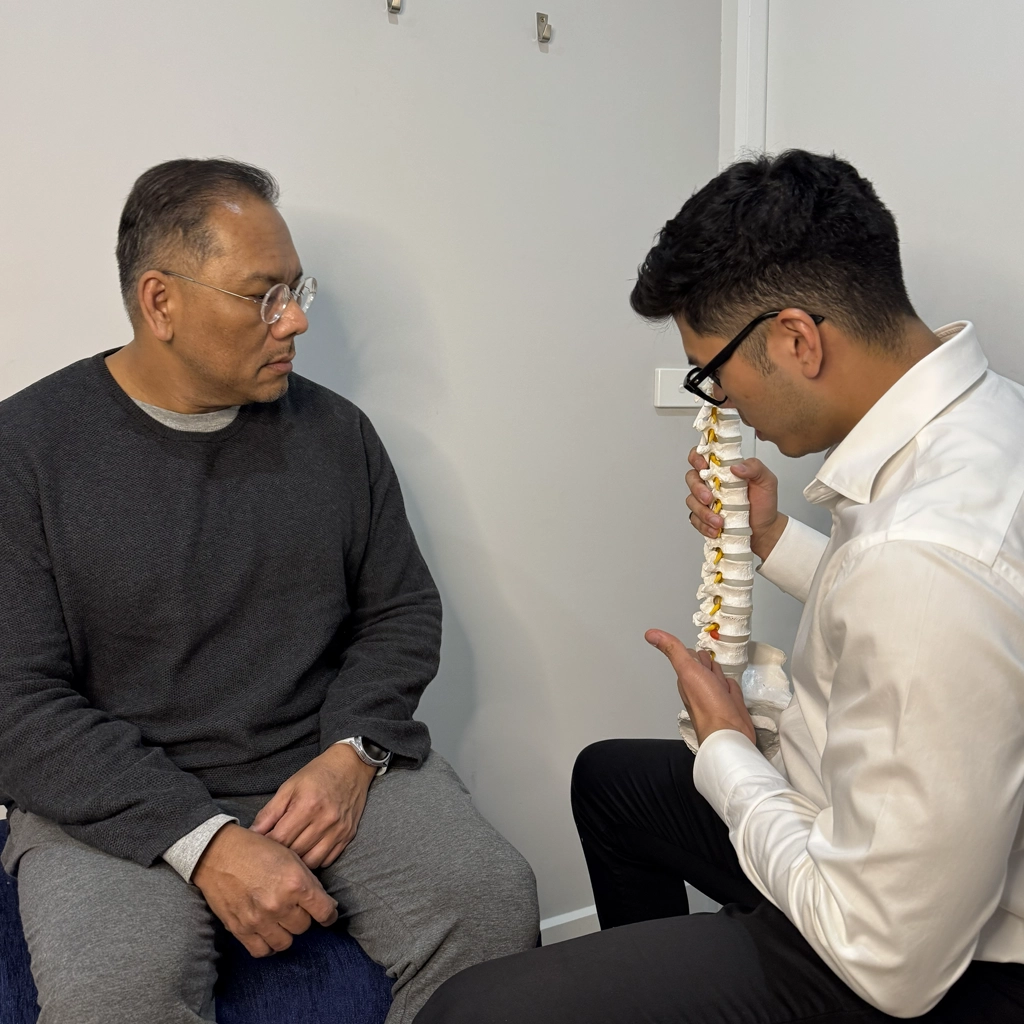
Mechanical low back pain often exhibits specific characteristics:
- Aching or stiffness localized in the lumbar spine, often worsening after periods of rest or in the morning.
- Pain exacerbated by specific movements such as bending, lifting, or prolonged sitting.
- Referred Pain or Sciatica: If the misalignment or disc lesion irritates the sciatic nerve roots, pain may radiate down the buttock, hip, and into the leg. This pain may feel sharp or electric.
- Muscle Spasm: Tightness and guarding in the large muscles surrounding the lower back as the body attempts to stabilize the injured area.
Mechanism of Injury: Finding the root cause
Effective management of LBP requires an understanding of how the mechanical failures within the spine lead to pain. LBP often develops insidiously through repetitive micro-trauma, postural strain (such as hours spent sitting), or chronic muscular fatigue.

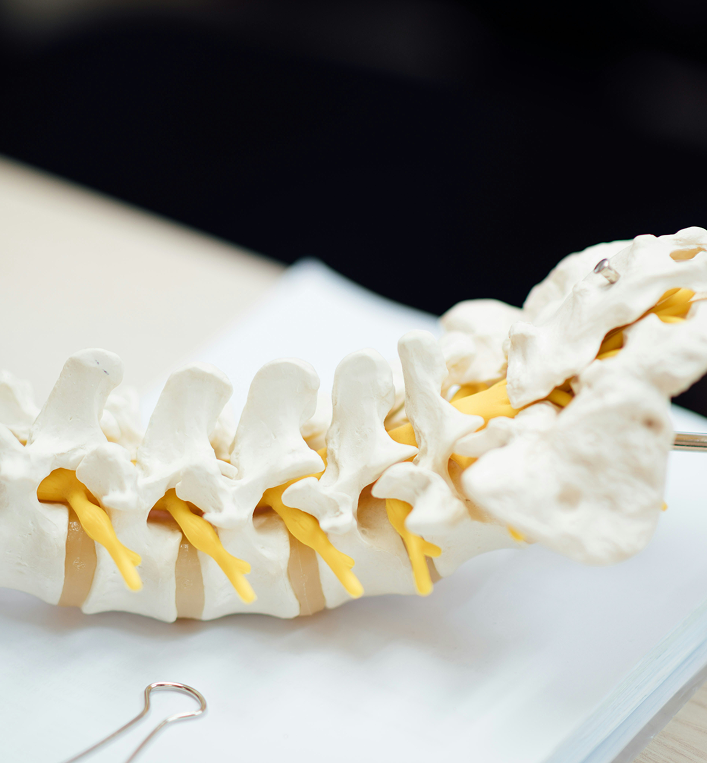
The Gonstead Level Disc Theory
The Gonstead System places a strong emphasis on the intervertebral disc as the primary site of injury and the root cause of subluxations—spinal misalignments that interfere with nerve function. This focus has led Gonstead practitioners to be widely known as “disc doctors”.
The core principle behind the biomechanical failure is articulated in the Level Disc Theory. When stress or strain causes a slight shifting or misalignment (subluxation) of a vertebra, the disc is unevenly compressed. This uneven pressure stresses the disc’s annular fibres, initiating an inflammatory response that causes the disc to swell and protrude. The resultant swelling and pressure then irritate the nearby nerves exiting the spinal column, leading to pain and neurological dysfunction. By specifically targeting this primary disc lesion and the associated misalignment, the Gonstead approach aims to address the foundational source of mechanical pain.
Facet Joint and Biomechanical Involvement
Concurrently, the posterior joints of the spine, known as facet joints, are crucial for guiding movement. When a subluxation occurs or the disc height is compromised, the facet joints bear undue load. Failure of the mechanical function of these joints contributes significantly to localized back pain and stiffness. The Gonstead system includes detailed analysis to identify and restore normal motion to these specific spinal segments, thereby reducing mechanical irritation.
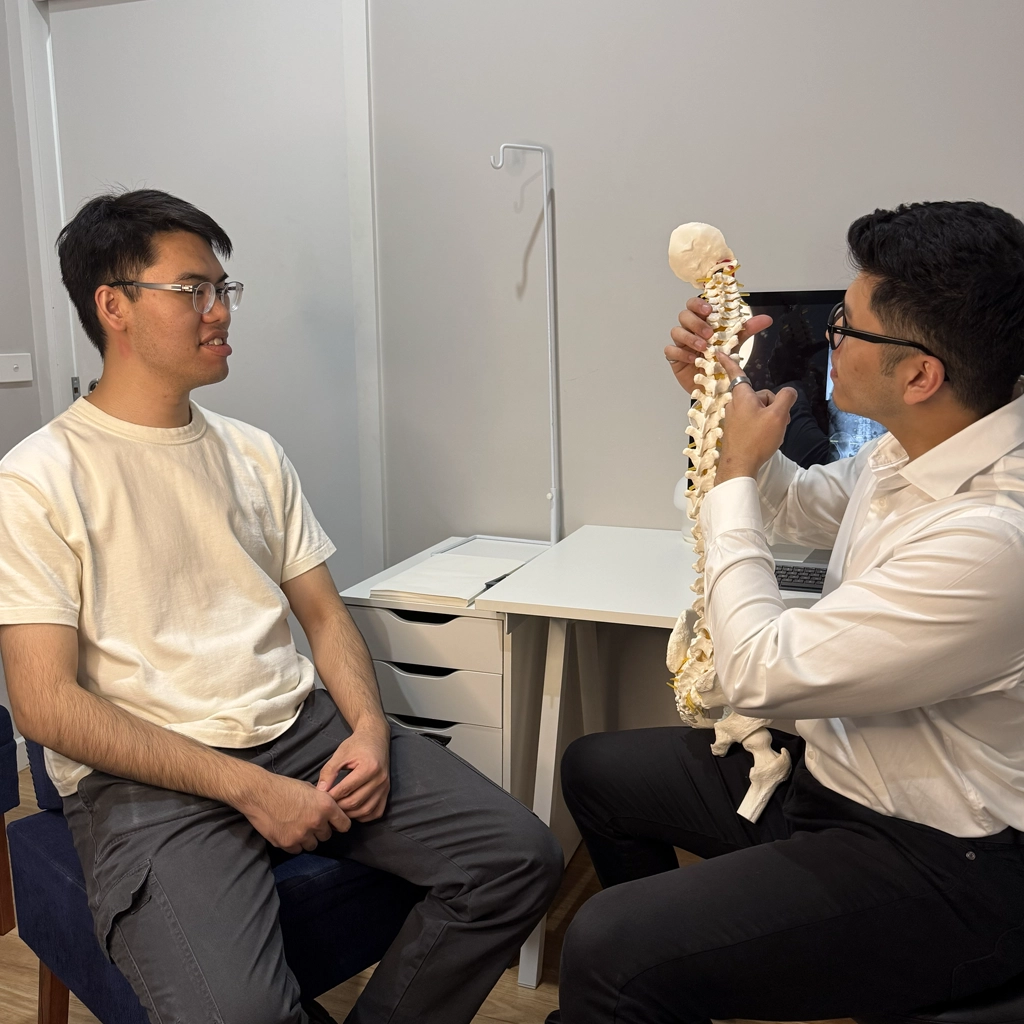
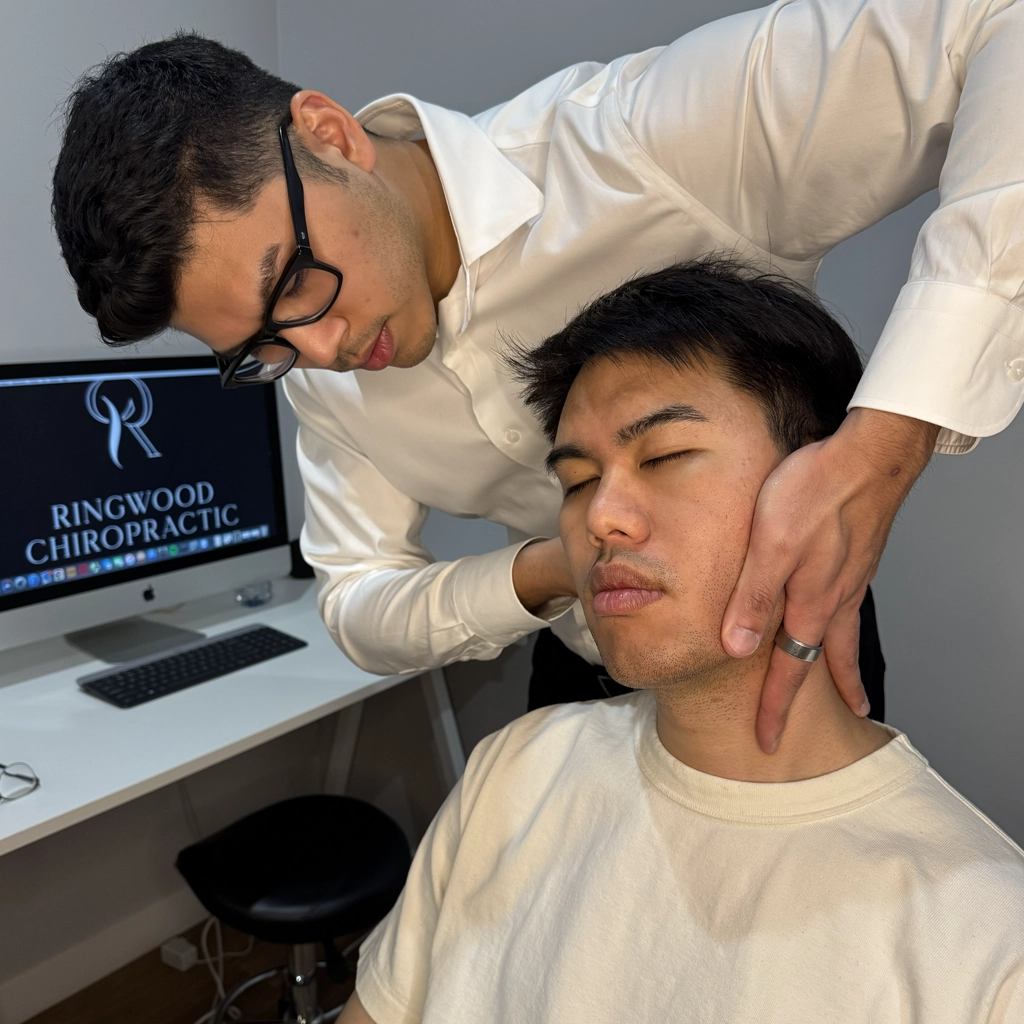
Clinical Red Flags: When to seek emergency care?
While chiropractic treatment at Ringwood Chiropractic is highly effective for mechanical LBP, certain severe symptoms require immediate evaluation by a medical doctor or hospital emergency department.
You must seek emergency medical care immediately if you experience any of the following symptoms, which may indicate a severe neurological compression, such as Cauda Equina Syndrome (CES):
- New or persistent lower back pain accompanied by difficulty urinating (urinary retention) or loss of bladder or bowel control (incontinence).
- Saddle Anaesthesia or Paresthesia: New numbness, tingling, or prickling sensations in the groin, buttocks, or inner thighs (the area that would touch a saddle).
- Progressive Motor or Sensory Loss: Rapidly worsening weakness or numbness in the legs or feet.
How Gonstead Chiropractic can help?
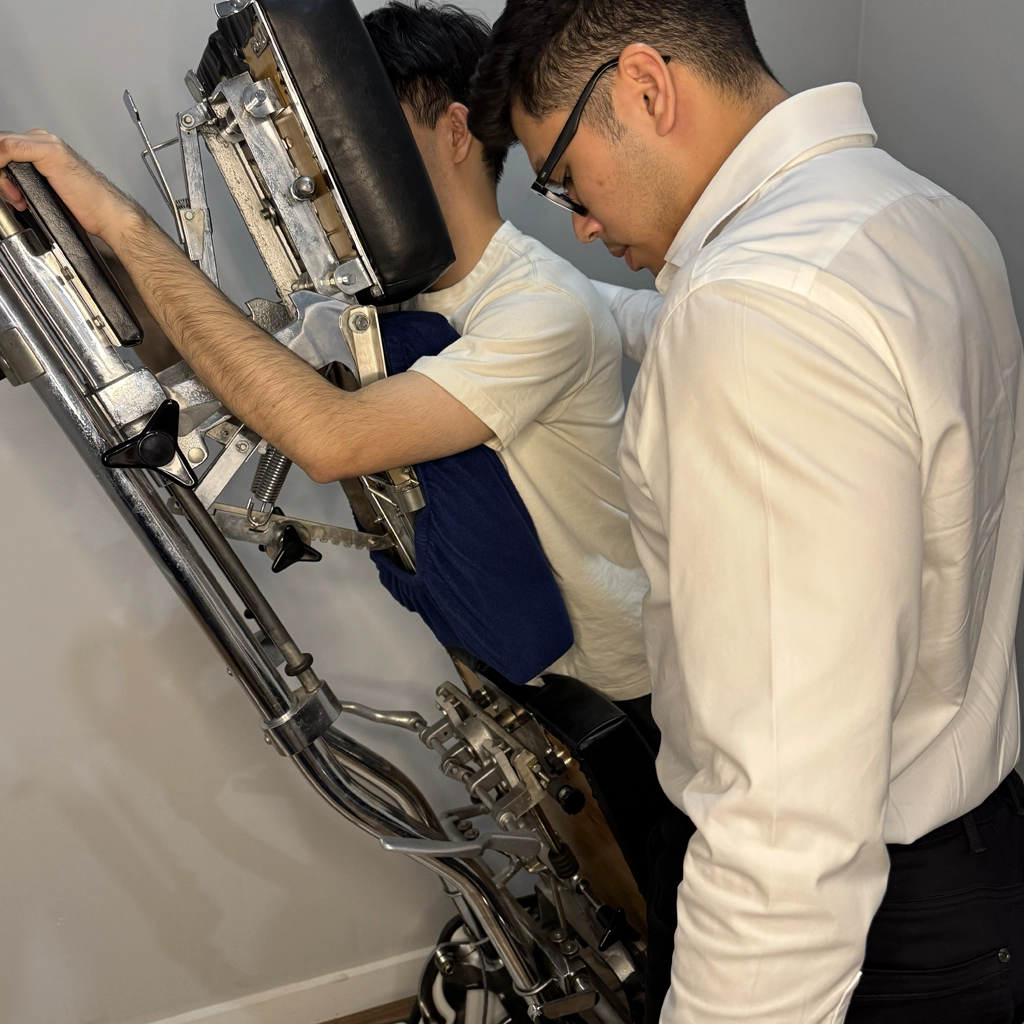
The key to treating LBP effectively is precision. Generalized adjustments that involve twisting or manipulating large sections of the spine frequently fail to address the specific biomechanical lesion—often at a single vertebral or disc level—that is causing the pain. The Gonstead System, employed by Dr. Jarrett, focuses relentlessly on locating and correcting only the specific, affected segment.
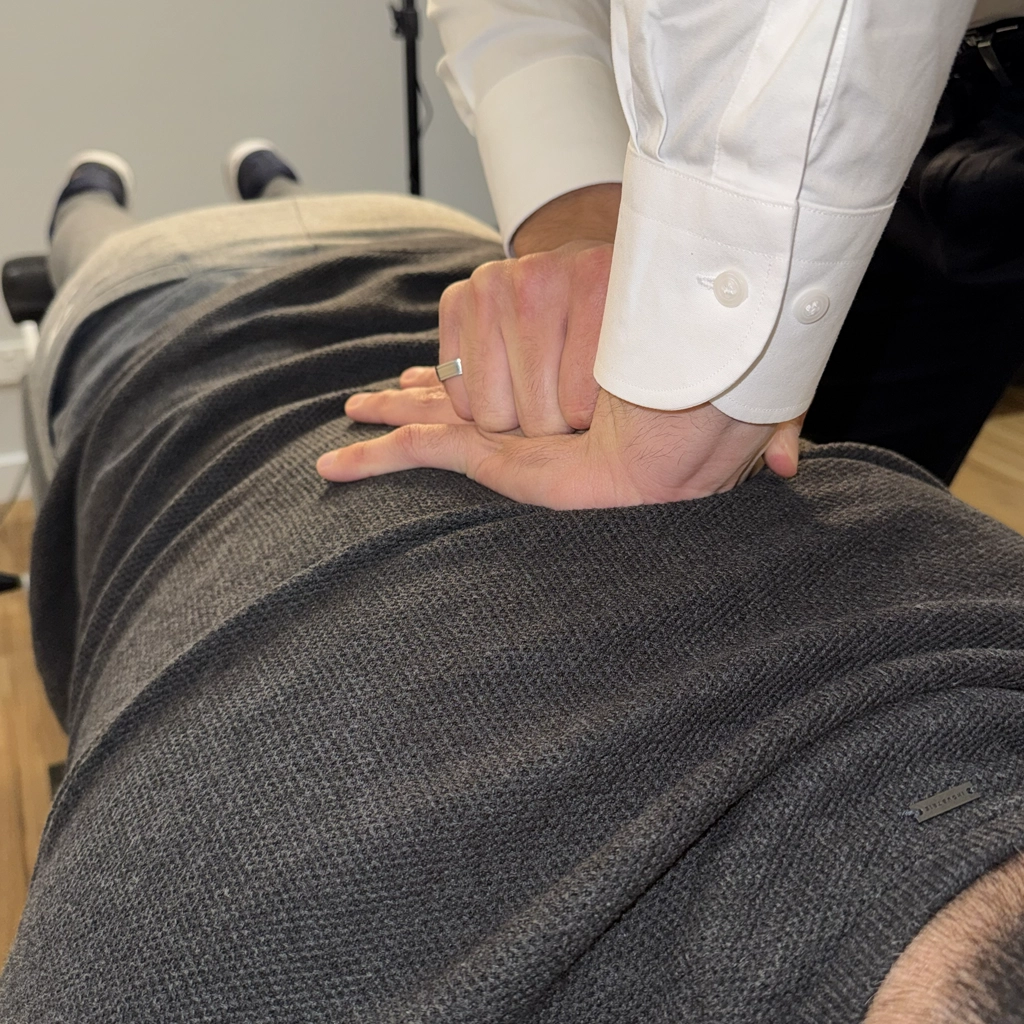
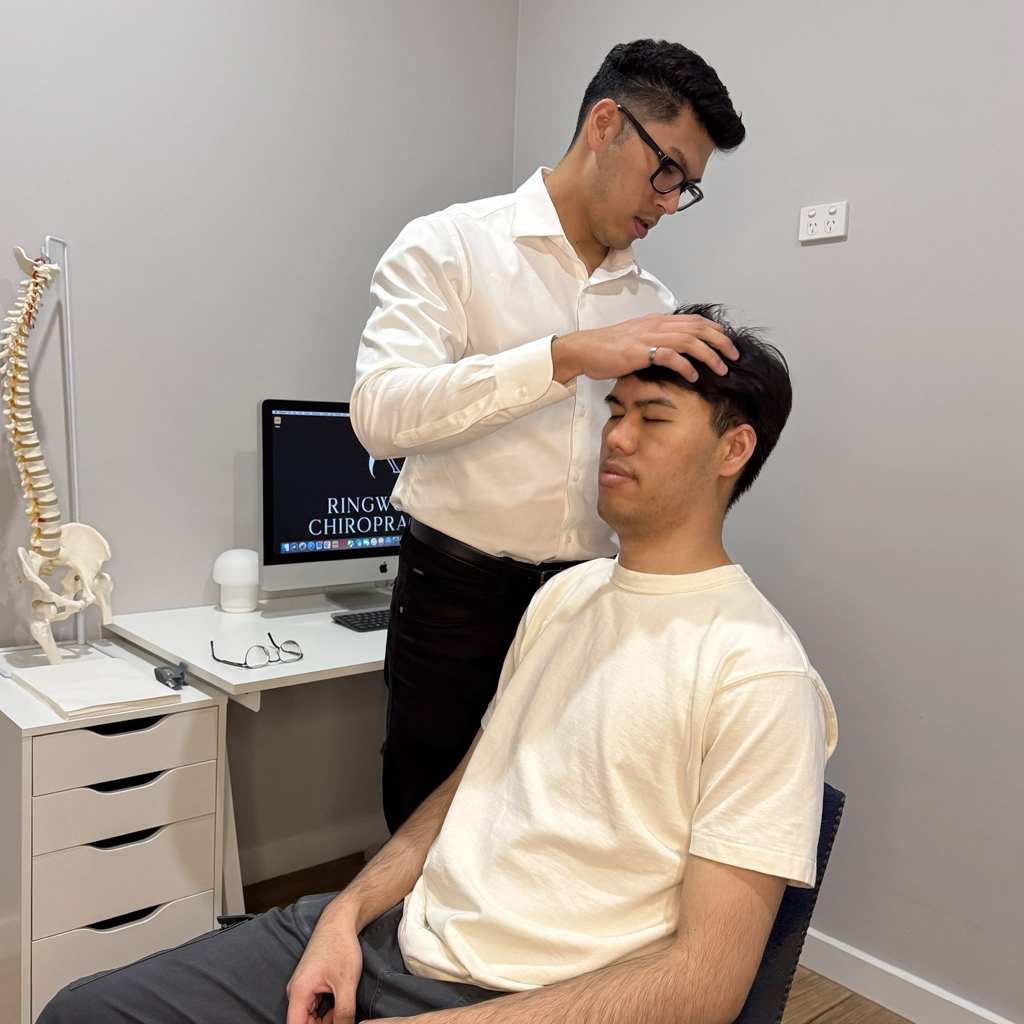
The Systematic 5-step Gonstead Spinal Analysis
To ensure maximum accuracy, your practitioner utilizes the systematic 5-step analysis developed by Dr. Clarence S. Gonstead:
- Visualisation: Observes the patient’s posture, gait, and structural symmetry, paying close attention to the pelvis, which is the foundation of the entire spinal column.
- Instrumentation (Nervo-Scope): A specialized instrument detects minute changes in temperature, or ‘heat breaks,’ which pinpoint areas of inflammation and nerve pressure directly related to the specific spinal misalignment or disc lesion. This objective data guides the precise adjustment location.
- Static & Motion Palpation: Using skilled hands, the practitioner feels for swelling, tenderness, muscle tightness, and specific joint fixation—the restricted movement that defines the subluxation.
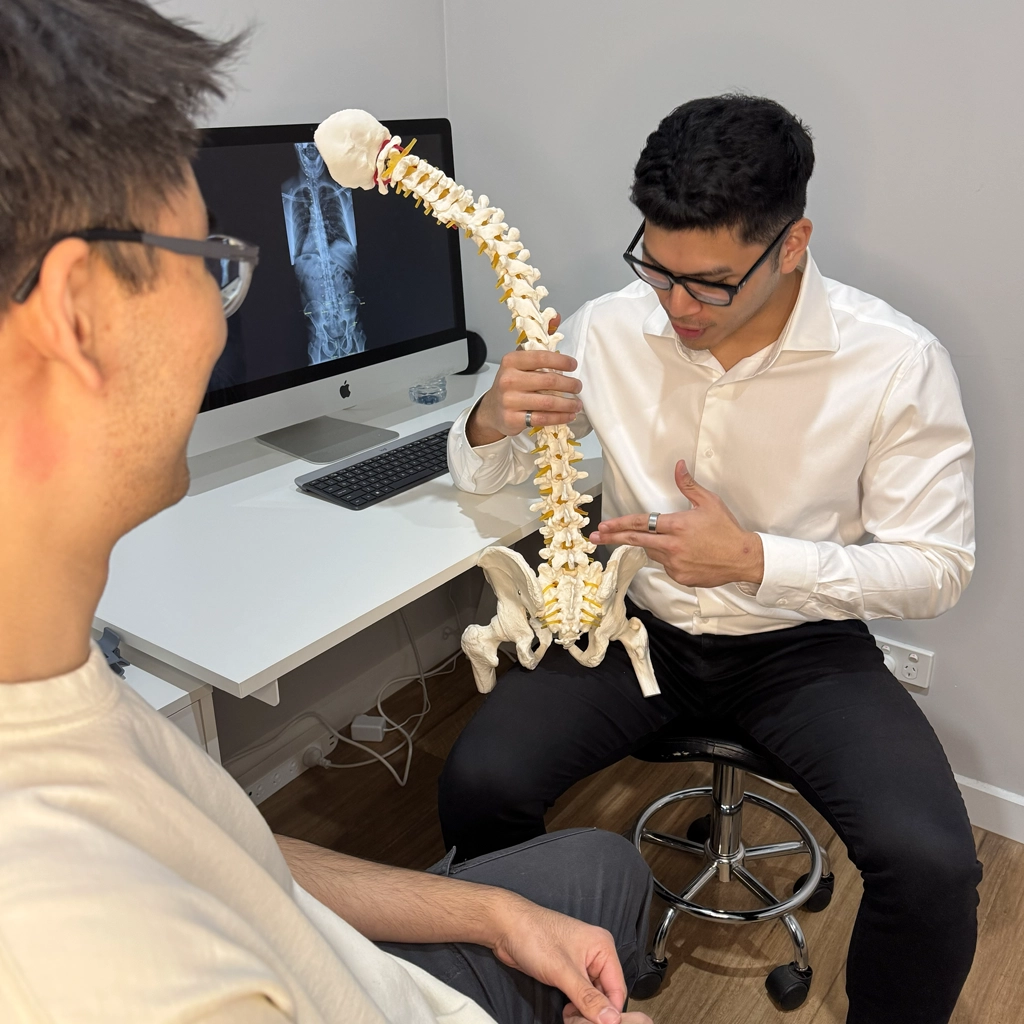
- Weight-Bearing X-Ray Analysis: Full-spine, weight-bearing X-rays are analyzed to determine spinal structure, disc integrity, and the exact angles and line of correction required, particularly assessing for Level Disc Theory issues.
- Case History Correlation: All objective findings from the above steps are correlated with your reported symptoms and lifestyle to ensure the adjustment is perfectly targeted.
The Specific Gonstead Adjustment
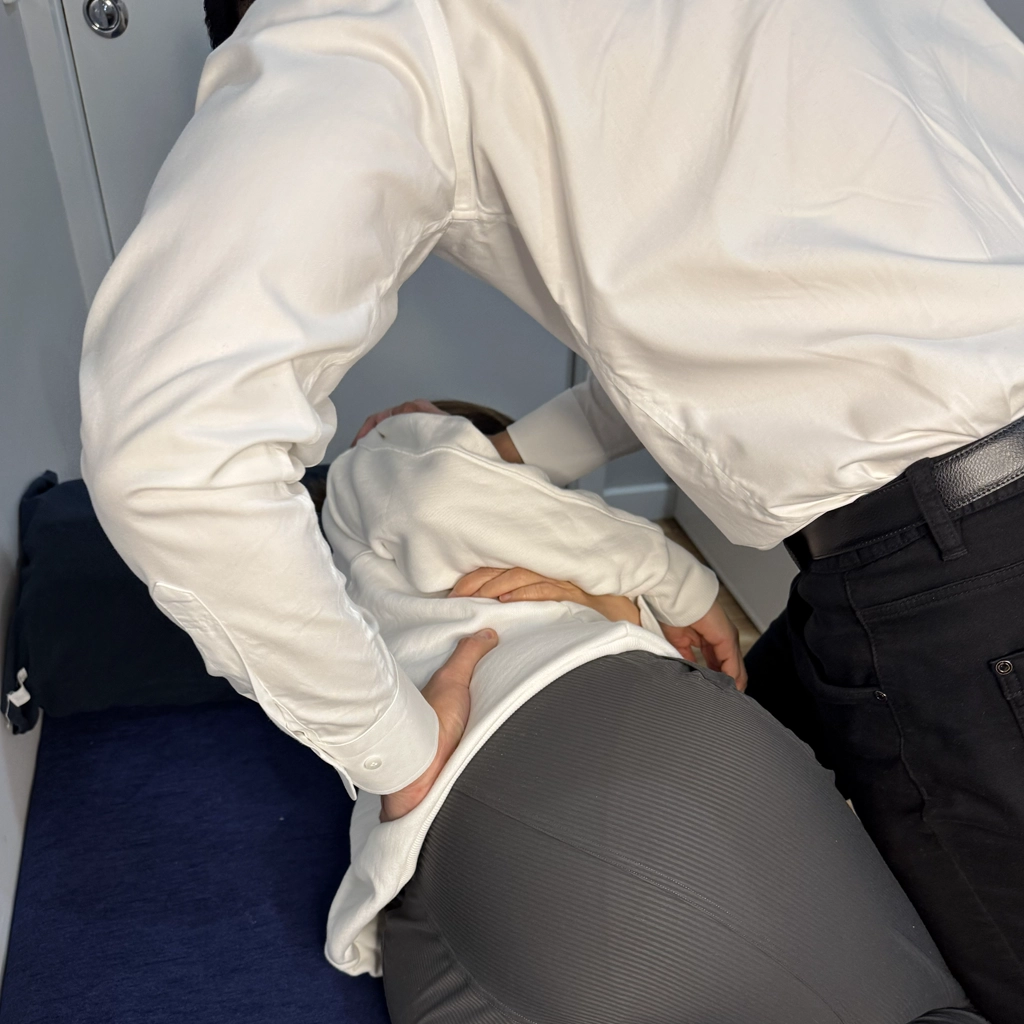
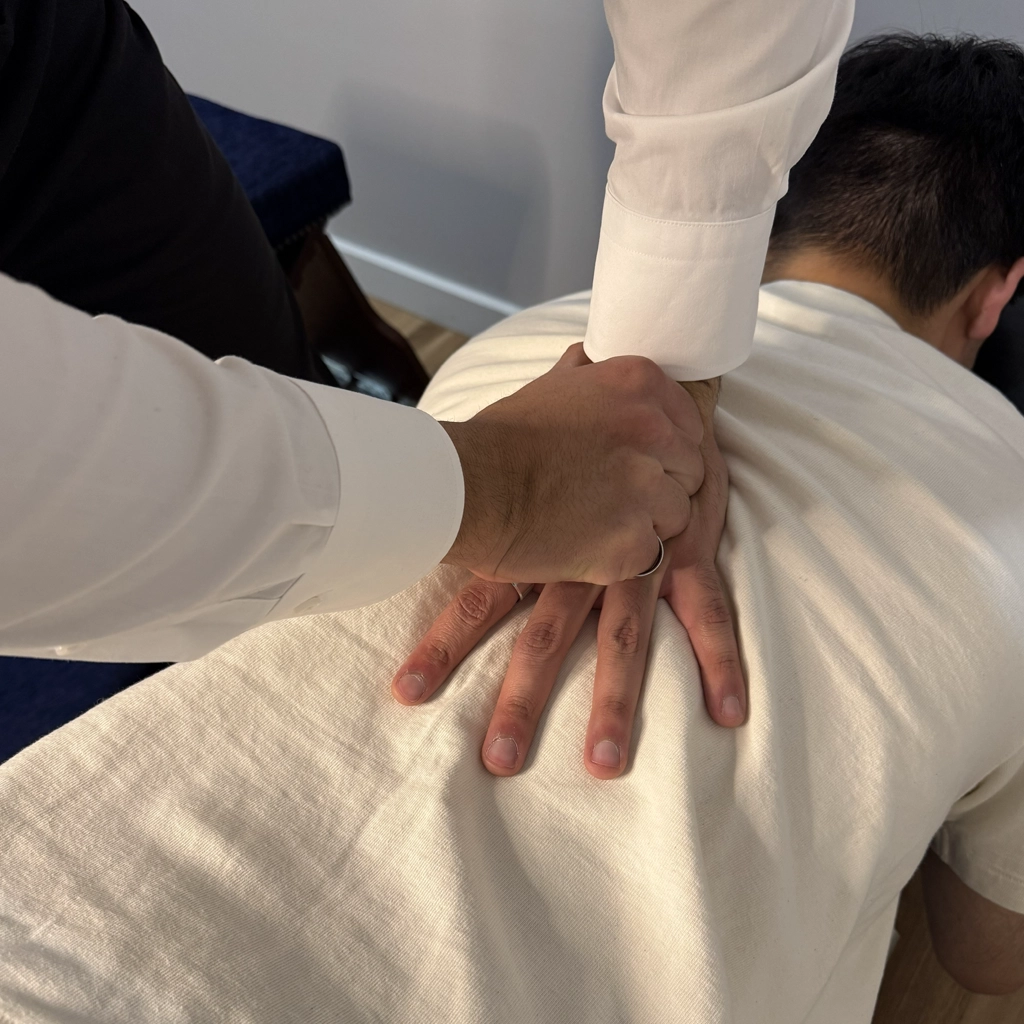
The Gonstead adjustment is delivered with specific positioning and targeted minimal force. The commitment is to adjusting only the specific vertebrae identified as subluxated. This precise approach avoids unnecessary manipulation of stable segments or twisting motions, making the adjustment gentler, safer, and inherently more effective for conditions stemming from disc and nerve irritation.
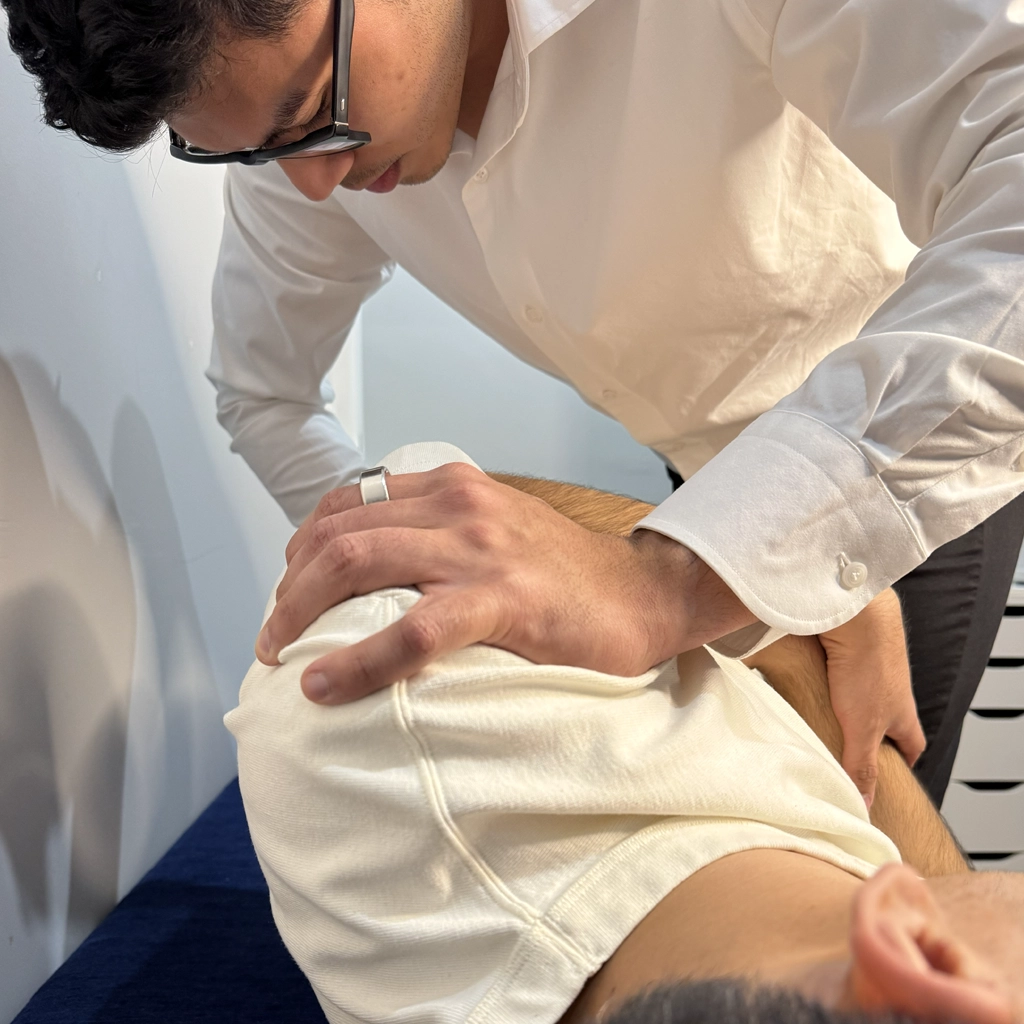
By applying precise adjustments to restore proper motion and correct the misalignment, chiropractic treatment for back pain at our clinic aims to:
- Reduce nerve irritation and inflammation pinpointed by the Nervo-Scope.
- Restore proper biomechanical function and natural mobility to the facet joints and lumbar segments.
- Support the optimal height and function of the intervertebral disc, promoting healing.
- Address the root cause of the issue, contributing to long-term back pain relief Ringwood and prevention of recurrence.
Recovery, Management & Prevention: Your Future Without LBP
Achieving lasting back pain relief involves a commitment to corrective care and preventative strategies.
Recovery Timelines:
The duration of your LBP is critical to recovery prognosis:
- Acute LBP (0–6 weeks): Patients often experience substantial functional improvements within the first six weeks of targeted care.
- Persistent/Chronic LBP (over 12 weeks): Requires a more focused, long-term approach, as improvements over time tend to be minimal without intensive, targeted management.
Our goal is to intervene during the acute or subacute phase to prevent the pain from becoming a permanent problem.

Optimising Your Environment: Ergonomics for Prevention
Preventative care includes ensuring your workstation actively supports your spinal health:
- Chair Support: Choose a chair that provides excellent support for the natural curve of your lower spine.
- Monitor Placement: Place your monitor directly in front of you, ensuring the top of the screen is at or slightly below eye level.
- Keyboard and Mouse: Position them close enough so that your wrists and forearms remain straight, and your shoulders are relaxed.
Your Next Steps
If you are suffering from persistent stiffness, aching, or radiating pain, don’t wait for the symptoms to become chronic. Early, precise intervention is key.
At Ringwood Chiropractic, Dr. Jarrett specializes in the detailed analysis of the Gonstead System. We are committed to locating the true cause of your back pain and providing the highest level of specific, targeted care.
If you’re seeking a back pain chiropractor Ringwood residents trust, book your initial consultation today to start your journey toward lasting relief and restored mobility.
Frequently asked questions
Your questions
answered.
Can Chiropractic help with my persistent Low Back Pain?
Yes. Spinal manipulative therapy (SMT) is widely recommended in clinical practice guidelines for spine pain. Ringwood Chiropractic’s precise Gonstead approach is highly specific, targeting only the exact vertebral segment causing the nerve interference, which is especially important for resolving persistent issues that have resisted generalized treatments.
What is the main cause of Low Back Pain (LBP)?
Most LBP is mechanical, meaning it arises from structural components like intervertebral discs and facet joints. According to the Gonstead approach, the pain often stems from a specific spinal misalignment (subluxation), causing disc compression, subsequent inflammation, and irritation of the nerves exiting the spine.
How long does it take to see improvement from LBP with chiropractic care?
Recovery depends on the chronicity of the pain. Patients with acute LBP (0–6 weeks) often experience substantial functional improvements within the first six weeks of targeted care. However, persistent pain (over 12 weeks) requires a more focused, long-term management strategy.
Is the Gonstead Method different from a standard adjustment?
The Gonstead Method is distinguished by its systematic, five-step analysis, which utilizes objective diagnostic tools like the Nervo-Scope to detect inflammation and, when clinically necessary, weight-bearing X-rays to pinpoint the subluxation. Adjustments are precise, avoiding unnecessary twisting or manipulation of healthy areas, thereby providing a more effective and lasting correction for the nerve pressure and disc integrity issues.
Should I see a chiropractor or a GP first for my back pain?
Both pathways are valid. Your GP can rule out non-mechanical causes and serious underlying diseases. However, a chiropractor specializing in mechanical issues can provide a hands-on, structural diagnosis. Since SMT is universally recommended for spinal pain, consulting a Gonstead chiropractor first for structural assessment is a highly effective initial step toward active management and relief.
Our location
Where we are located
Ringwood Chiropractic
139B Wantirna Road, Ringwood VIC 3134, Australia
Parking Information
Convenient on-site parking is available for patients, with additional spaces located on nearby streets. Please allow a few extra minutes during peak times to find a spot.
Take the First Step Toward Relief
You don’t have to live with pain or discomfort holding you back, your solution is closer than you think.