

Shoulder Pain Management: Targeted Gonstead Chiropractic Treatment in Ringwood
Experiencing shoulder pain? Learn how chiropractic assessment at Ringwood Chiropractic may assist with managing shoulder-related discomfort.
1. Introduction
Shoulder pain is a common complaint among Australians, frequently disrupting daily activities, work productivity, and sleep quality. Whether it stems from a sudden injury or the gradual wear and tear of desk work, the discomfort can be debilitating. At Ringwood Chiropractic, we understand how frustrating it is to lose range of motion in your arm.
Many residents in Melbourne seek chiropractic care for shoulder pain because they are looking for a natural, non-invasive approach to managing their discomfort and restoring function.
2. What is Shoulder Pain?
The shoulder is the most mobile joint in the human body, allowing us to reach, lift, push, and pull. However, this high level of mobility comes at the cost of stability. The shoulder is technically a complex of joints—primarily the glenohumeral joint (the ball-and-socket) and the scapulothoracic joint (where the shoulder blade glides over the ribs)—supported by a intricate network of muscles, tendons, and ligaments.
Shoulder pain can range from a dull ache to sharp, stabbing sensations, and may be felt in the joint itself, the surrounding muscles, or referred from the neck or upper back. In Australia, shoulder disorders are significant contributors to musculoskeletal disability, with point prevalence estimated between 7% and 26% of the adult population
How does the condition happen?
Shoulder pain often results from a combination of biomechanical imbalances, postural habits, and lifestyle factors.
-
Rotator Cuff Dysfunction: The rotator cuff is a group of four muscles that stabilize the shoulder joint. Imbalances between these muscles and the larger deltoid muscle can lead to improper tracking of the arm bone, causing irritation.
-
Shoulder Impingement: This occurs when the tendons of the rotator cuff or the bursa (a fluid-filled sac that reduces friction) become compressed between the bones of the shoulder during arm movement.
-
Poor Posture: “Forward head posture” and rounded shoulders, commonly developed from sitting at desks, alter the position of the shoulder blade, narrowing the joint space and increasing the risk of impingement [2].
-
Repetitive Strain/Overuse: Occupations requiring repetitive overhead reaching (like painting or construction) or excessive heavy lifting can lead to tendonitis (inflammation of the tendons).
Who Does it Happen to?
Shoulder pain affects a wide demographic, but certain groups are more prone to it:
-
Office Workers: Individuals spending long hours at computers with poor ergonomic setups often develop postural shoulder pain.
-
Athletes: Swimmers, tennis players, baseball pitchers, and weightlifters are susceptible to repetitive overuse injuries or instability.
-
Middle-Aged and Older Adults: The risk of degenerative conditions, such as rotator cuff tears or arthritis, increases with age, peaking between 55 and 64 years old [1].
-
Construction and Manual Laborers: Those who perform heavy lifting or repetitive overhead tasks are at higher risk of acute injuries and chronic strain.
3. Symptoms and Impact
Shoulder pain manifests in various ways, often impacting your ability to function normally. Common symptoms include:
-
Pain with overhead movements (e.g., reaching for a high shelf).
-
Pain when reaching behind the back (e.g., putting on a jacket).
-
Pain sleeping on the affected side or waking due to discomfort.
-
Stiffness or a reduced range of motion.
-
Weakness in the arm or shoulder.
-
Clicking or popping sensations within the joint.
These symptoms can significantly affect productivity at work, limit participation in sports, and disturb sleep, leading to reduced overall quality of life.
How to Help/First-line Interventions
Before seeking professional care, there are several self-management strategies you can employ to manage mild discomfort:
-
Activity Modification: Avoid activities that provoke pain, particularly heavy lifting or overhead reaching, to allow tissues to heal.
-
Ice/Heat Therapy: Apply ice packs to reduce acute inflammation, or use heat to soothe chronic muscle stiffness.
-
Ergonomic Adjustments: Ensure your monitor is at eye level, elbows are at a 90-degree angle, and shoulders are relaxed while working.
-
Gentle Stretching: Light stretching of the chest muscles and neck can help alleviate tension pulling the shoulders forward.
Other Treatments or Proven Interventions
Shoulder pain often requires a multifaceted approach. Other evidence-based treatment options include:
-
Physiotherapy: Focused on rehabilitation exercises to strengthen the shoulder muscles and improve joint control.
-
General Practitioner (GP) Care: For pain management, imaging referrals (if necessary), or consultation regarding medication.
-
Exercise Physiologist: To develop tailored strengthening programs for long-term prevention and stability.
4. How Chiropractic Helps at Ringwood Chiropractic
Chiropractic care focuses on the relationship between the spine, the nervous system, and joint function. Because the nerves that control the shoulder originate in the neck (cervical spine), a dysfunction in the neck can often contribute to shoulder discomfort.
Assessment Process
We begin with a thorough examination, which may include:
-
A detailed review of your medical history.
-
Orthopaedic tests to assess joint mobility and muscle strength.
-
Functional assessment of your posture and movement patterns.
-
Imaging referrals (X-ray or MRI) only if clinically indicated.
Chiropractic Techniques
Our care methods may include:
-
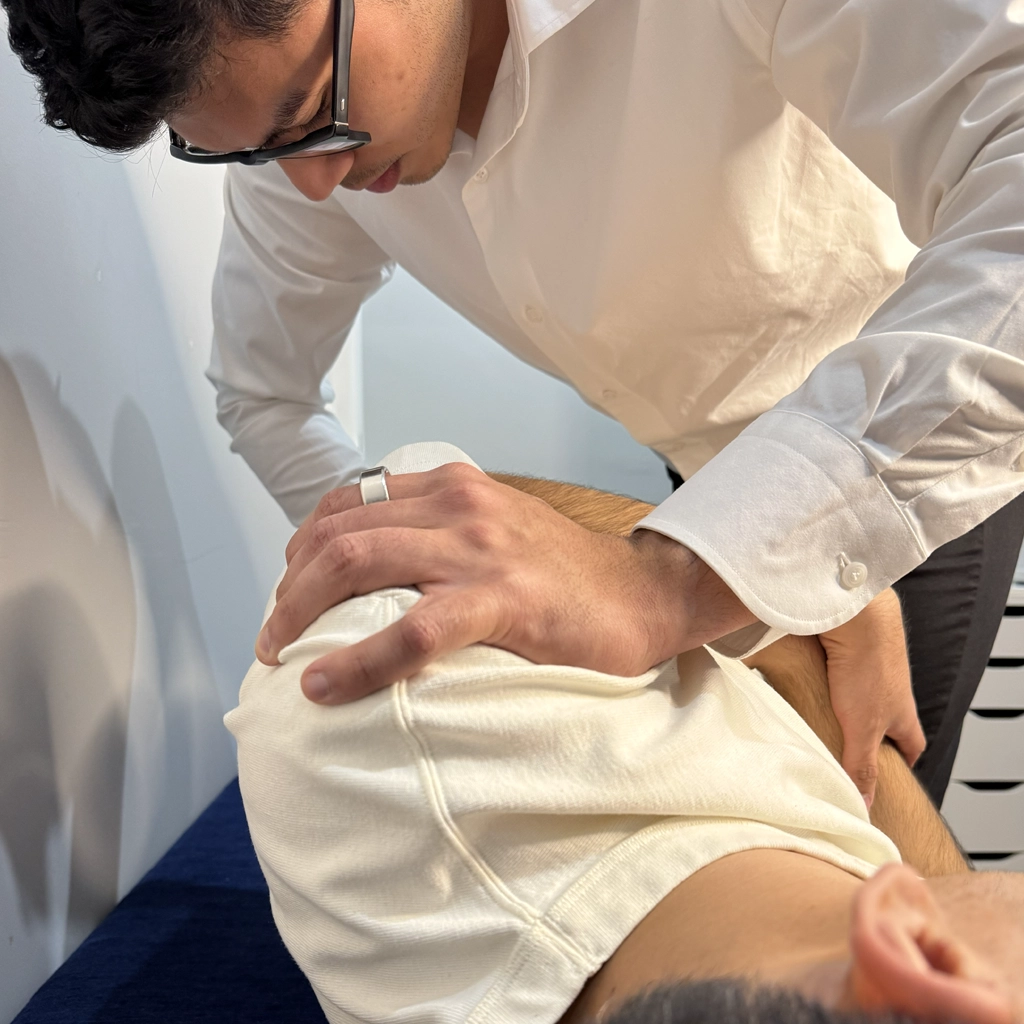
Manual Adjustments & Mobilisation: Gentle, controlled movements applied to the shoulder joint or the thoracic/cervical spine to restore proper alignment and mobility.
By restoring proper biomechanics, chiropractic care may assist in reducing pain and improving function in the shoulder complex
Your Next Steps
If your shoulder pain is persistent, preventing sleep, or limiting your daily activities, it is important to get an accurate assessment.
If you’re in Ringwood or nearby suburbs, our experienced chiropractors can help you find relief and restore movement.
We take a patient-centered approach, ensuring you have a clear understanding of your condition and a tailored treatment plan to support your recovery.
5. Other Options & Collaborative Care
We believe in a collaborative approach to healthcare. If your condition requires multidisciplinary care, we are happy to work alongside your GP, physiotherapist, or other specialists to ensure you receive the best possible outcome.
References
-
Hodgetts, C., et al. (2023). Testing the association between shoulder pain prevalence and occupational, physical activity, and mental health factors in two generations. Journal of Musculoskeletal Research.
-
Lewis, J., & Michener, L. A. (2018). Determinants of shoulder pain: a multi-factorial approach. British Journal of Sports Medicine, 52(9), 555-556.
-
Australian Chiropractors Association. Shoulder Pain. Retrieved from https://www.chiropractors.org.au/