


Migraine
Migraine is far more complex than a simple headache; it is a neurological disease characterised by intense, throbbing head pain, often accompanied by debilitating symptoms like nausea and extreme sensitivity to light and sound. These attacks can be crippling, drastically halting daily life for hours or even days.
The prevalence of migraine in Australia is substantial, impacting an estimated 4.9 million Australians. Notably, 71% of migraine sufferers are women, and 86% are of working age, highlighting the massive impact on productivity and quality of life. The total economic cost of migraine in Australia is estimated at a staggering $35.7 billion.
If you are constantly managing your migraine symptoms with medication, you may be seeking a proactive, non-pharmacological strategy to address the frequency and severity of your attacks. As your local migraine chiropractor in Ringwood, our clinical approach—led by Dr. Jarrett—offers a distinct advantage. We use the Gonstead System, a precise method designed to identify and correct specific structural misalignments in the spine that contribute to neurological irritation and may act as a potent trigger for migraine attacks.
What is Migraine?
Migraine is classified as a primary headache disorder rooted in neurological dysfunction. It is defined by moderate to severe head pain that is often pulsating or throbbing, lasting anywhere from four to 72 hours.
Migraine is often understood in phases, moving beyond the pain itself:
- Prodrome (Warning Phase): Symptoms like mood changes, fatigue, excessive yawning, food cravings, and muscle stiffness (especially in the neck and shoulders) can occur hours or days before the headache begins.
- Aura (Neurological Symptoms): Experienced by up to a third of sufferers, this involves visual disturbances (flashing lights, zigzag lines), numbness, or speech changes, typically preceding the pain.
- Headache Phase: Moderate to severe pain, typically unilateral (on one side) at the onset, often shifting or becoming bilateral.
- Postdrome (Migraine Hangover): Fatigue, difficulty concentrating, and stiffness after the attack resolves.
Epidemiology and Risk Factors
Migraine prevalence increases from 12 years to about 40 years of age before declining, affecting women significantly more than men (71% of sufferers being female).
While migraines are neurological, several factors are known to trigger or exacerbate attacks, including:
- Hormonal Changes: Common trigger in women due to fluctuation in oestrogen levels.
- Dietary Factors: Certain foods, alcohol, or additives.
- Stress: High emotional or psychological stress.
- Cervical (Neck) Dysfunction: Chronic tension, muscle stiffness, or joint restriction in the upper neck are common prodrome symptoms and frequently act as mechanical triggers.
Mechanism of Injury & Pathophysiology: The Neurological Link
The primary mechanism underlying a migraine attack is believed to involve a wave of abnormal electrical activity across the brain’s surface, known as Cortical Spreading Depression (CSD).
Cortical Spreading Depression (CSD)
CSD is theorized to be the initial trigger that activates the trigeminal nerve, leading to the release of inflammatory chemicals around the blood vessels in the brain. This process results in intracranial neurogenic inflammation, which is directly responsible for the characteristic throbbing pain of a migraine.

The Role of Spinal and Neural Integrity
While migraine is central to the nervous system, the mechanical integrity of the upper spine can influence the frequency and intensity of attacks. The nerves in the upper neck (C1–C3) converge with the trigeminal nerve pathways in the brainstem.
A Gonstead subluxation—a specific misalignment in the upper cervical spine—can cause joint restriction and nerve irritation. This chronic mechanical signal is believed to contribute to overall neurological hypersensitivity and may lower the threshold for a CSD event, thereby acting as a powerful trigger for a migraine attack. By meticulously addressing and correcting these specific structural points of irritation, the Gonstead system aims to quieten the mechanical interference feeding the nervous system.
Common Symptoms
Migraine symptoms are often dramatic and highly disabling:
Key Symptoms During the Headache Phase:
- Throbbing Pain: Moderate to severe, pulsating pain, typically aggravated by movement.
- Sensitivity: Extreme sensitivity to light (photophobia), noise (phonophobia), and sometimes smell.
- Gastrointestinal Distress: Nausea (feeling sick) and vomiting (being sick).
- Neurological Signs (Aura): Visual disturbances (e.g., zigzag lines, blind spots), tingling, or numbness in the face or limbs.
- Associated Neck Stiffness: Stiffness or pain in the neck/shoulders, often present during the prodrome phase.
Essential Red Flags (Seek Emergency Care)
Given the neurological nature of migraine, it is vital to recognize when a headache might indicate a more serious condition. You must seek emergency medical care immediately if you experience any of the following symptoms:
- Sudden Onset: A “thunderclap headache”—the worst pain of your life developing in seconds.
- Focal Neurological Signs: Headaches accompanied by seizures, loss of coordination, or double vision.
- Systemic Signs: New headache accompanied by fever or severe, unexplained neck stiffness.
- Change in Pattern: A significant, unexplained change in the pattern of a pre-existing headache.
How Gonstead Chiropractic Can Help
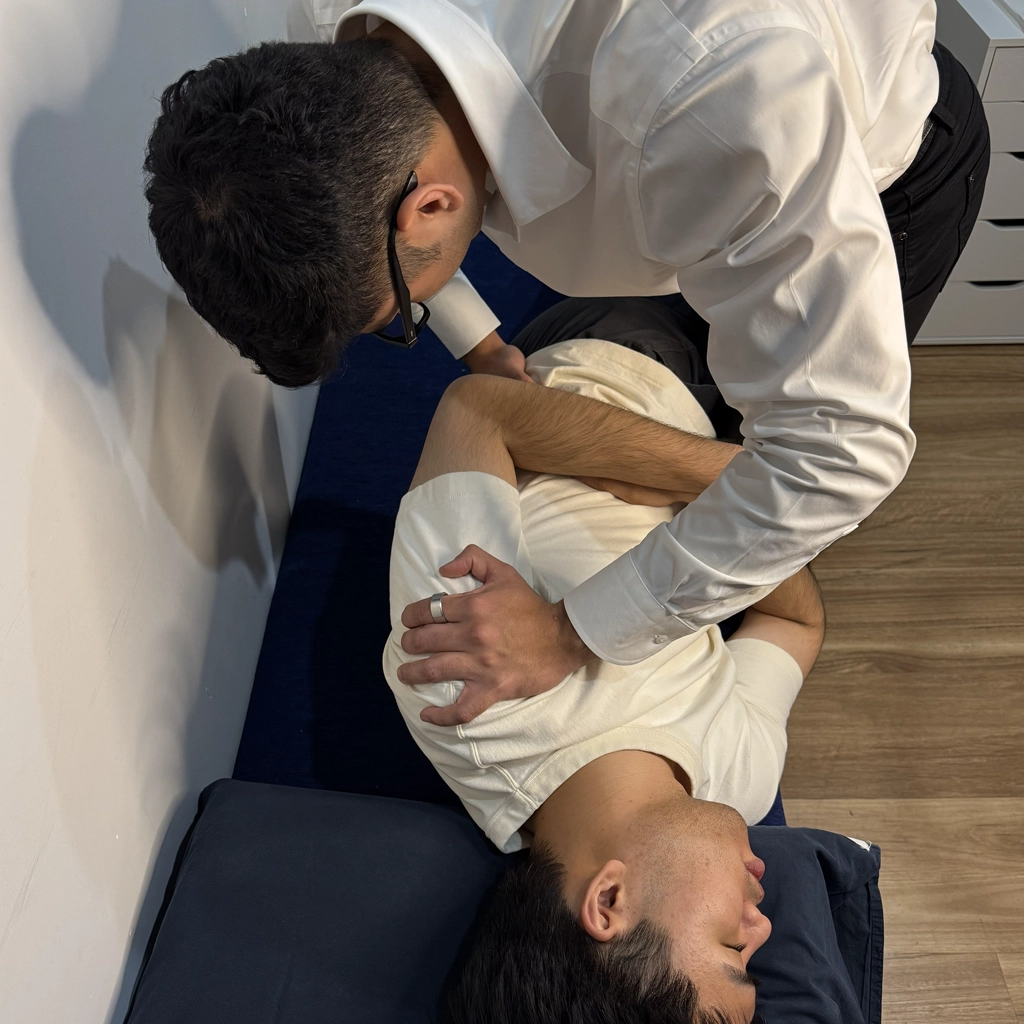
For patients seeking effective non-pharmacological strategies to manage the frequency and severity of migraine attacks, evidence supports the use of Manual Therapy (MT) and Spinal Manipulative Therapy (SMT). The Gonstead System provides a highly specific, structural intervention targeting known mechanical triggers.

The Systematic Gonstead Analysis
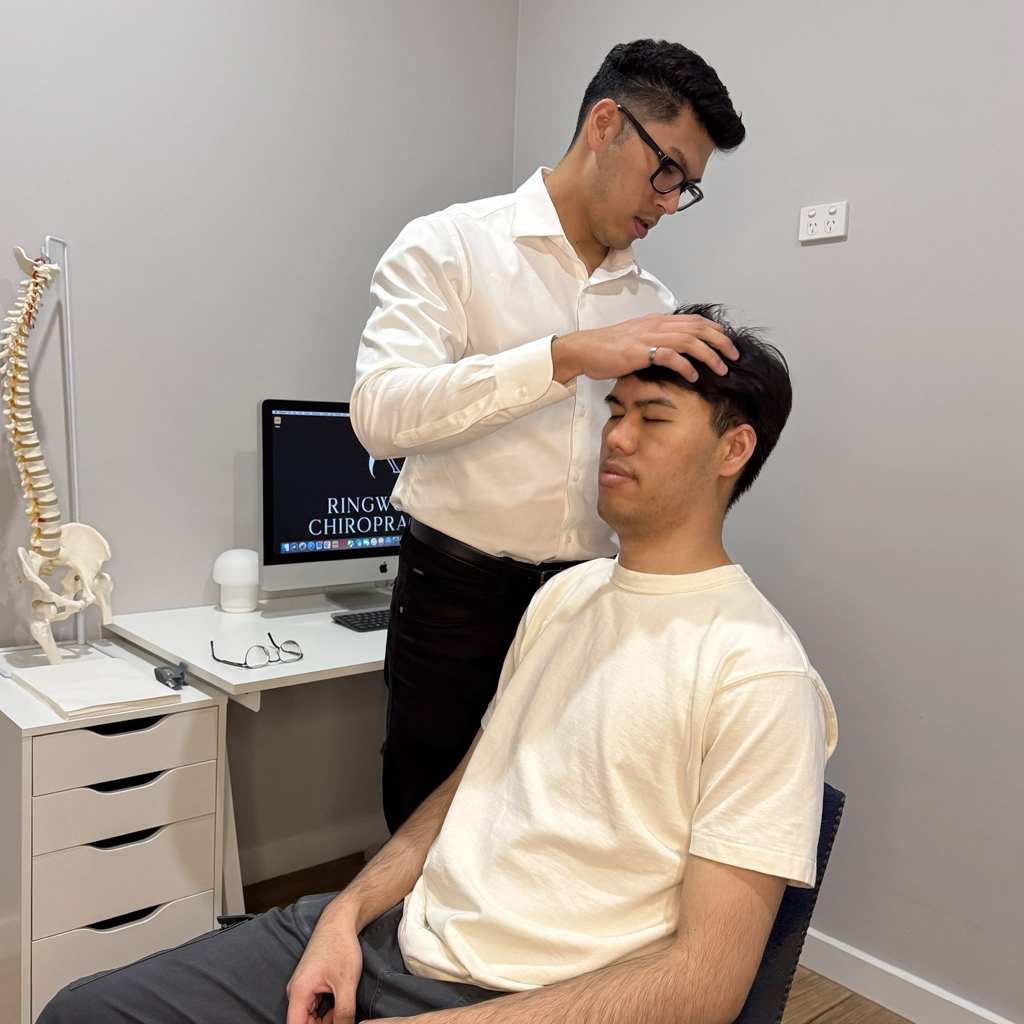
As a specialist migraine chiropractor Ringwood, Dr. Jarrett uses the Gonstead 5-step analysis to locate and analyze specific misalignments that influence the upper nervous system:
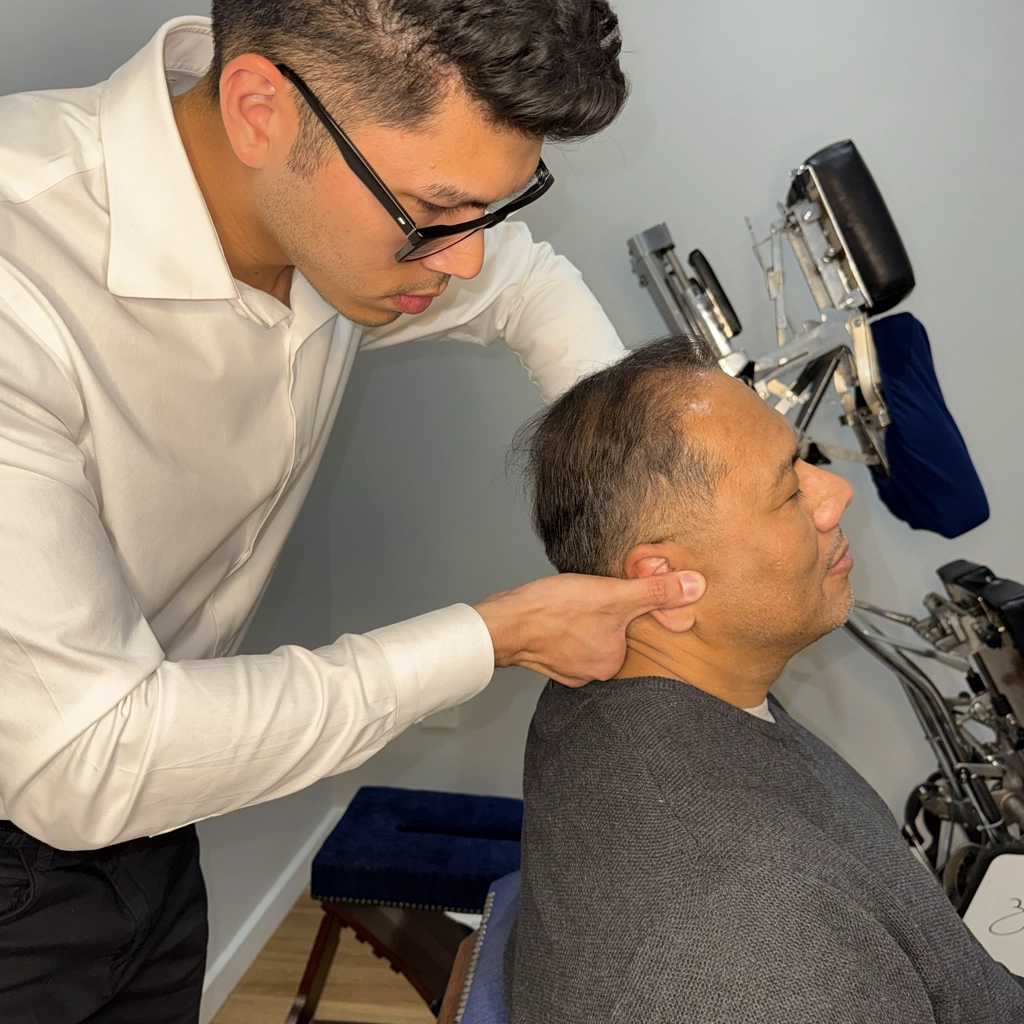
- Instrumentation (Nervo-Scope): A precise instrument is used along the neck and upper back to measure temperature variations (heat breaks) that indicate inflammation and nerve irritation at the cervical levels (C1, C2, C3), which are directly linked to the headache pathway.
- X-ray Analysis: When clinically necessary, full-spine, weight-bearing X-rays provide the exact blueprint needed to determine the angle and direction of misalignment of the atlas (C1) and axis (C2)—crucial vertebrae supporting the skull.
- Palpation: Our hands-on examination confirms restricted movement and muscle tension around the occiput and upper cervical joints, often correlating with the structural irritation found by the Nervo-Scope.
Specific Adjustments for Neurological Balance
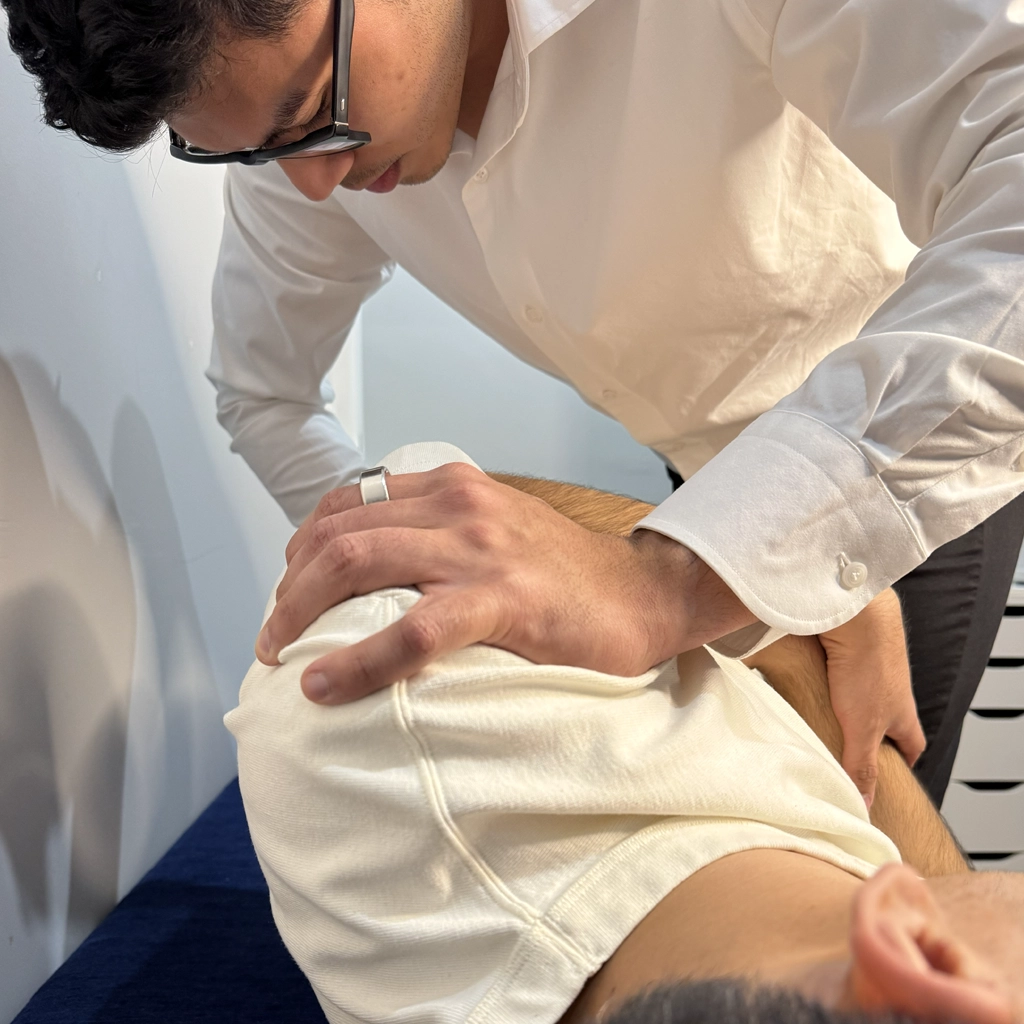
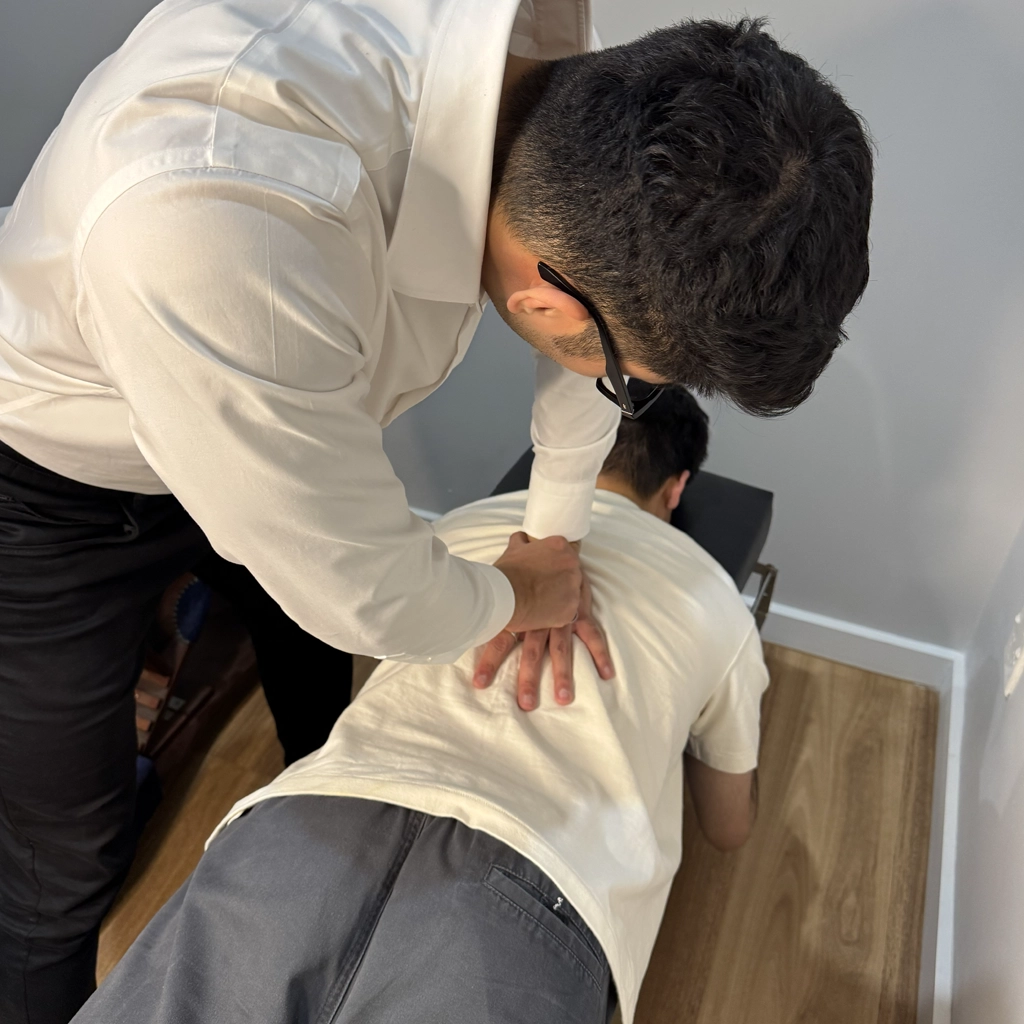
The Gonstead Method is renowned for its specificity and use of minimal force. The adjustment is targeted to correct only the specific misalignment found, thereby reducing the risk of unnecessary adjustment. For migraine and neurological symptoms, the focus is typically on the upper cervical spine:
- Targeted C1/C2 Adjustments: Precise, low-force adjustments restore optimal alignment of the top two neck vertebrae. By correcting this subluxation, the Gonstead adjustment aims to reduce the chronic mechanical irritation that may be lowering the migraine threshold.
- Reducing Chronic Tension: Correcting subluxations in the thoracic spine helps de-tension the large postural muscles in the upper back and shoulders, which are common sites of stiffness in the migraine prodrome phase.
Clinical evidence suggests that SMT can have an effect comparable to commonly used first-line prophylactic prescription medications for migraine headache. This structural approach works to support neurological resilience and reduce the frequency of attacks.

Recovery, Management & Prevention
Achieving effective migraine relief Ringwood requires a holistic, long-term strategy that combines structural care with essential lifestyle modifications.
The Role of Spinal Correction
Specific Gonstead adjustments work synergistically with these therapies. By correcting the structural misalignments, we reduce a key source of chronic afferent nerve input, allowing the central nervous system to calm down and become less susceptible to external triggers.
Your Next Steps
If recurrent migraines are impacting your work, family, and social life, it is time to move beyond temporary relief. Early, precise structural assessment is critical to understanding and addressing your migraine triggers.
At Ringwood Chiropractic, Dr. Jarrett specializes in the detailed analysis of the Gonstead System. We are committed to locating the true cause of your structural and neurological interference and providing the highest level of specific, targeted care.
If you’re seeking a migraine chiropractor, book your initial consultation today to start your journey toward neurological resilience and lasting relief.

Conditions we may help with
Ringwood Chiropractic
Paediatric Chiropractor
Chiropractor During Pregnancy
Nerve Pain Issues
Headaches and TMJ Disorders
Knee Discomfort
Tennis/Golfer’s Elbow
Sciatica (Sciatic neuritis)
Carpal Tunnel Syndrome
Back Pain - Upper/Lower
Neck Pain/ Shoulder Pain
Bulged / Herniated Disc
Vertigo (BPPV)
Frequently asked questions
Your questions
answered.
What causes migraine attacks?
Migraines are primarily neurological events thought to be triggered by abnormal electrical activity (Cortical Spreading Depression) in the brain, leading to neurogenic inflammation. However, structural issues like spinal misalignments in the neck can contribute by chronically irritating the nerve pathways, lowering the threshold for an attack.
Can chiropractic help reduce the frequency of migraines?
Yes. Clinical evidence suggests that Spinal Manipulative Therapy (SMT) can be comparable to certain first-line prophylactic medications in reducing the frequency and severity of migraine headaches. By correcting specific spinal misalignments, Gonstead chiropractic aims to reduce the chronic neurological irritation that acts as a trigger.
What makes the Gonstead method different for headache treatment?
The Gonstead system is known for its specificity. Dr. Jarrett uses objective diagnostic tools, including the Nervo-Scope and precise X-ray analysis, to pinpoint the exact vertebral misalignment in the upper neck (Atlas and Axis) influencing your central nervous system. This highly targeted approach ensures the adjustment addresses the root mechanical interference without excessive force.
How long does it take to see improvement?
Migraine improvement is often measured by a reduction in frequency and severity over several months. Many patients find that consistent, specific care combined with lifestyle modification leads to significant long-term improvement. Dr. Jarrett will create an individualized care plan after your initial Gonstead assessment.
Are there non-drug treatments recommended alongside chiropractic care for migraines?
Yes. Behavioral Therapy (BT) is strongly recommended as an add-on therapy for migraines. We often encourage the use of biofeedback and relaxation techniques, which, combined with specific Gonstead adjustments, help reduce neurological hypersensitivity and improve your ability to manage triggers.
Our location
Where we are located
Ringwood Chiropractic
139B Wantirna Road, Ringwood VIC 3134, Australia
Parking Information
Convenient on-site parking is available for patients, with additional spaces located on nearby streets. Please allow a few extra minutes during peak times to find a spot.
Take the First Step Toward Relief
You don’t have to live with pain or discomfort holding you back, your solution is closer than you think.