

Tension Type Headaches
Tension-type headache (TTH) is the most common type of headache worldwide, characterised by a persistent, dull ache that often feels like a tight band wrapped around the head. For many people, TTH is more than a fleeting inconvenience; it’s a source of chronic, low-level pain that severely limits focus, concentration, and quality of life.
The prevalence of TTH is massive, with estimates suggesting that nearly everyone experiences this type of headache at some point. Prevalence typically peaks between the ages of 40 and 49 in both sexes, affecting working adults most often. When these headaches become chronic—occurring 15 or more days a month—they account for a considerable public health burden, often leading to lost work time and reduced productivity.
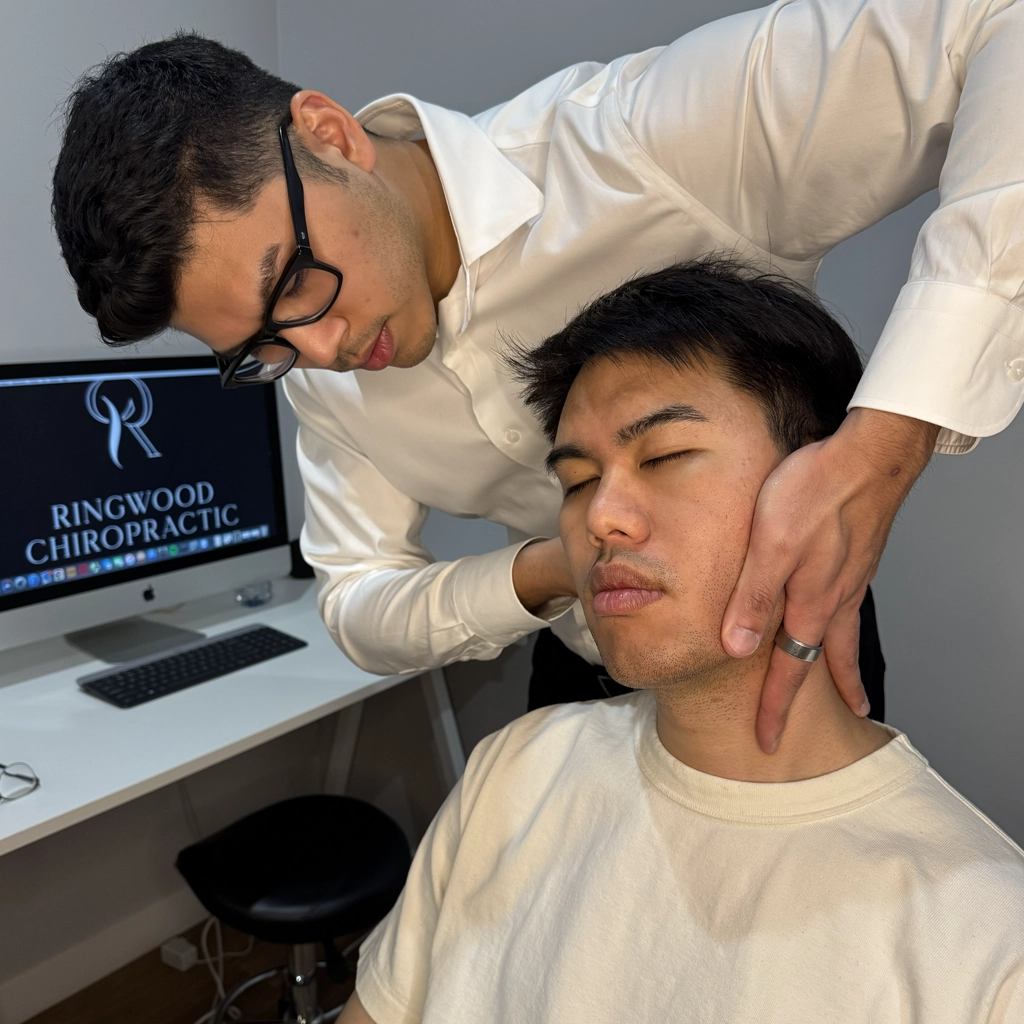
If you are constantly seeking temporary pharmaceutical solutions for your chronic headaches, generalized treatment may be failing to address the structural and mechanical root of the tension. At Ringwood Chiropractic, our clinical approach, led by Dr. Jarrett, focuses on the highly analytical Gonstead System. We aim to find the precise nerve irritation and joint restriction in the neck and upper back that contributes to chronic muscle tension, offering a specific, targeted path to tension type headache relief.
What is Tension Type Headache?
Tension-type headaches are non-throbbing, mild-to-moderate headaches that are typically felt bilaterally (on both sides) of the head. TTH is categorized based on frequency:
- Episodic TTH: Occurs less than 15 days per month.
- Chronic TTH: Occurs 15 or more days per month, and while less common, accounts for over half of those who suffer from headaches frequently.
Epidemiology and Risk Factors
TTH is widely accepted as the most common headache type. The female to male ratio is approximately 5:4, which increases as the headaches become more chronic.
Key factors associated with the development of chronic TTH are strongly linked to the neck and lifestyle:
- Chronic Stress and Anxiety: High psychological stress contributes significantly to muscle bracing and chronic tension.
- Pericranial Muscle Tenderness: Tenderness and tightness in the muscles around the head, neck, and shoulders are a key feature of TTH.
- Postural Strain: Long hours of static, seated posture, often associated with office work, lead to chronic strain on the cervical and upper thoracic musculature.
- Structural Dysfunction: Restriction in the movement of the cervical (neck) and upper thoracic (mid-back) spinal joints often contributes to the muscle tension patterns that drive the pain.
Mechanism of Injury & Pathophysiology: Tension and Sensitisation
Tension-type headaches are understood to be caused by a complex interplay of peripheral (muscle) and central (nervous system) factors.
Peripheral Nociception (Muscle Tension)
In episodic TTH, the pain is primarily driven by tension and contraction of the pericranial muscles—those muscles of the scalp, neck, and shoulders. This chronic muscle tightness sends continuous pain signals (nociception) to the central nervous system.
Central Sensitisation
If the peripheral pain signals persist due to uncorrected structural issues or chronic tension, the central nervous system itself becomes altered. This process, known as central sensitisation, causes the pain pathways to become hypersensitive, converting episodic headaches into chronic TTH,. Even after the initial muscle tension lessens, the sensitised nervous system continues to perceive pain, which is why chronic TTH is so persistent.
The goal of treatment is twofold: to identify and correct the structural dysfunction causing the chronic peripheral muscle tension, and to calm the sensitised central nervous system. Gonstead chiropractic aims to achieve the first goal through specific spinal correction.
Spinal Misalignment (Subluxation)
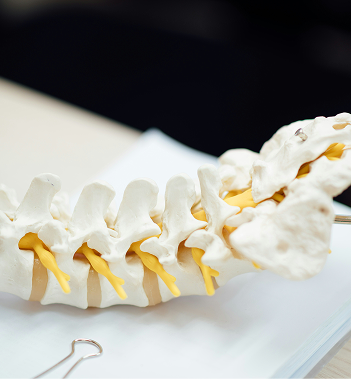
Restricted joints in the upper neck (Cervical Spine) and upper back (Thoracic Spine) are common culprits. A Gonstead subluxation in these areas disrupts normal biomechanics, leading to muscle spasm and chronic tension in the muscles surrounding the skull. By removing the specific spinal restriction, we interrupt the chronic barrage of peripheral pain signals feeding the nervous system.

Common Symptoms
Tension-type headaches are characterised by a non-pulsating, pressing, or tightening quality:
Primary Symptoms:
- Dull, Aching Pain: A persistent, constant ache rather than a sharp, throbbing pain.
- Bilateral Location: Pain is typically felt on both sides of the head (forehead, temples, or back of the head).
- Mild to Moderate Intensity: The pain level rarely reaches the severity of a migraine, allowing the patient to usually continue daily activities.
- Pericranial Tenderness: The neck and shoulder muscles are tender and sensitive to touch.
- Absence of Severe Nausea: Unlike migraines, TTH is generally not accompanied by significant nausea, vomiting, or severe sensitivity to light/sound.
Essential Red Flags (Seek Emergency Care)
While we are experts in mechanical headaches, patient safety is paramount. Certain symptoms associated with headaches require immediate evaluation by a medical doctor or hospital emergency department, as they may indicate a secondary, more serious cause (SNOOP-10 red flags):
- Sudden Onset: The headache comes on like a “thunderclap”—the worst pain of your life developing in seconds.
- Systemic Signs: New headache accompanied by fever, severe neck stiffness unrelated to joint pain, or rash.
- Focal Neurological Signs: Headaches accompanied by seizures, loss of coordination, or double vision.
- Change in Pattern: A significant, unexplained change in the pattern of a pre-existing headache.
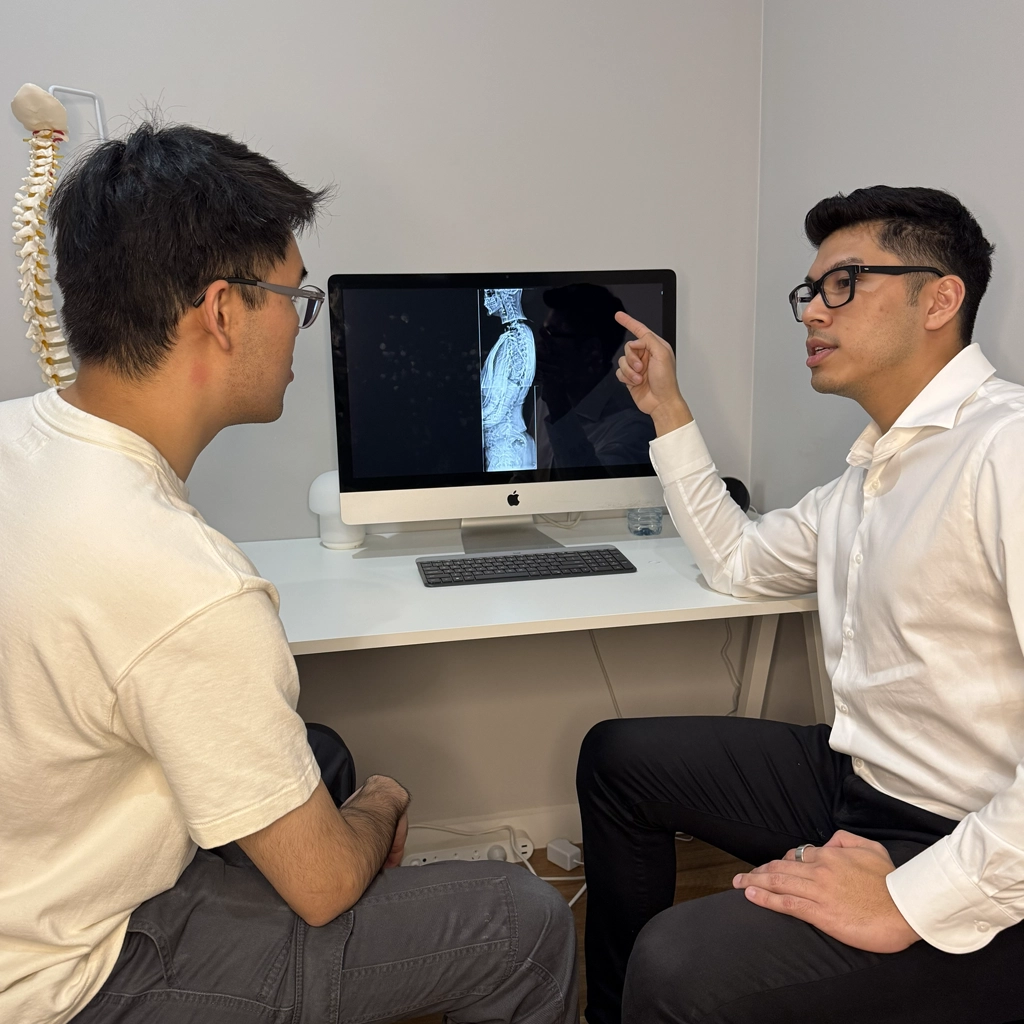

How Gonstead Chiropractic Can Help
For tension-type headaches with a mechanical component—where muscle tension is high and joint restriction is present—Spinal Manipulative Therapy (SMT) is an evidence-based, effective intervention. The Gonstead System, employed by Dr. Jarrett, offers superior clinical specificity for this condition.
The Systematic Gonstead Analysis
As a specialist tension type headache chiropractor, Dr. Jarrett uses the Gonstead 5-step analysis to isolate the exact segments that are causing the chronic muscle tension and feeding the central sensitisation:
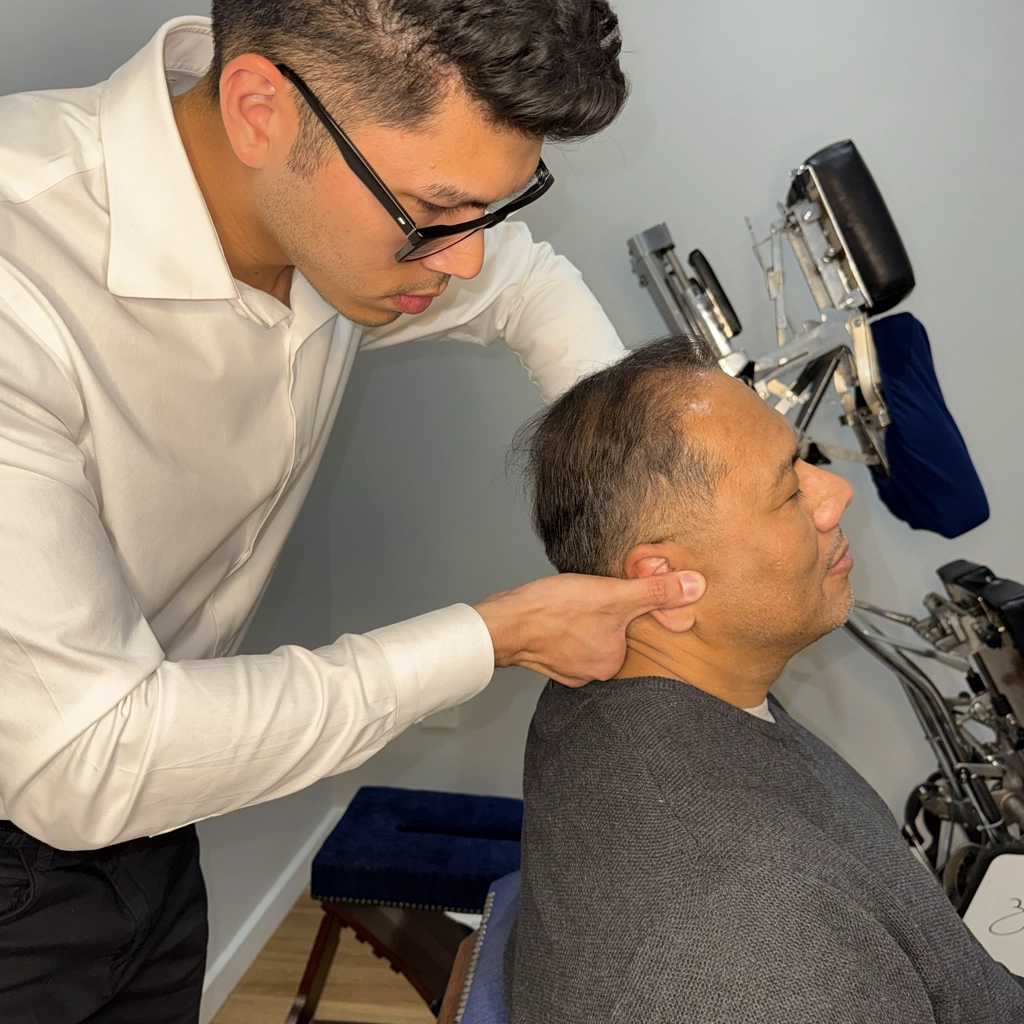
- Instrumentation (Nervo-Scope): A precise instrument is used along the neck and upper back to measure temperature variations (heat breaks). These breaks pinpoint areas of inflammation and nerve irritation at the cervical and thoracic levels—the exact structural sites responsible for chronic pericranial muscle tension.
- Visualisation & Postural Assessment: We assess for forward head posture and upper thoracic rounding, which chronically loads the neck and shoulder muscles, triggering tension headaches.
- X-ray Analysis: Full-spine, weight-bearing X-rays are analyzed to determine the precise direction and extent of any misaligned cervical or thoracic vertebrae that require correction.
- Palpation: Our hands-on examination confirms the location of restricted joints and areas of intense muscle tenderness that correlate with the headache pattern.
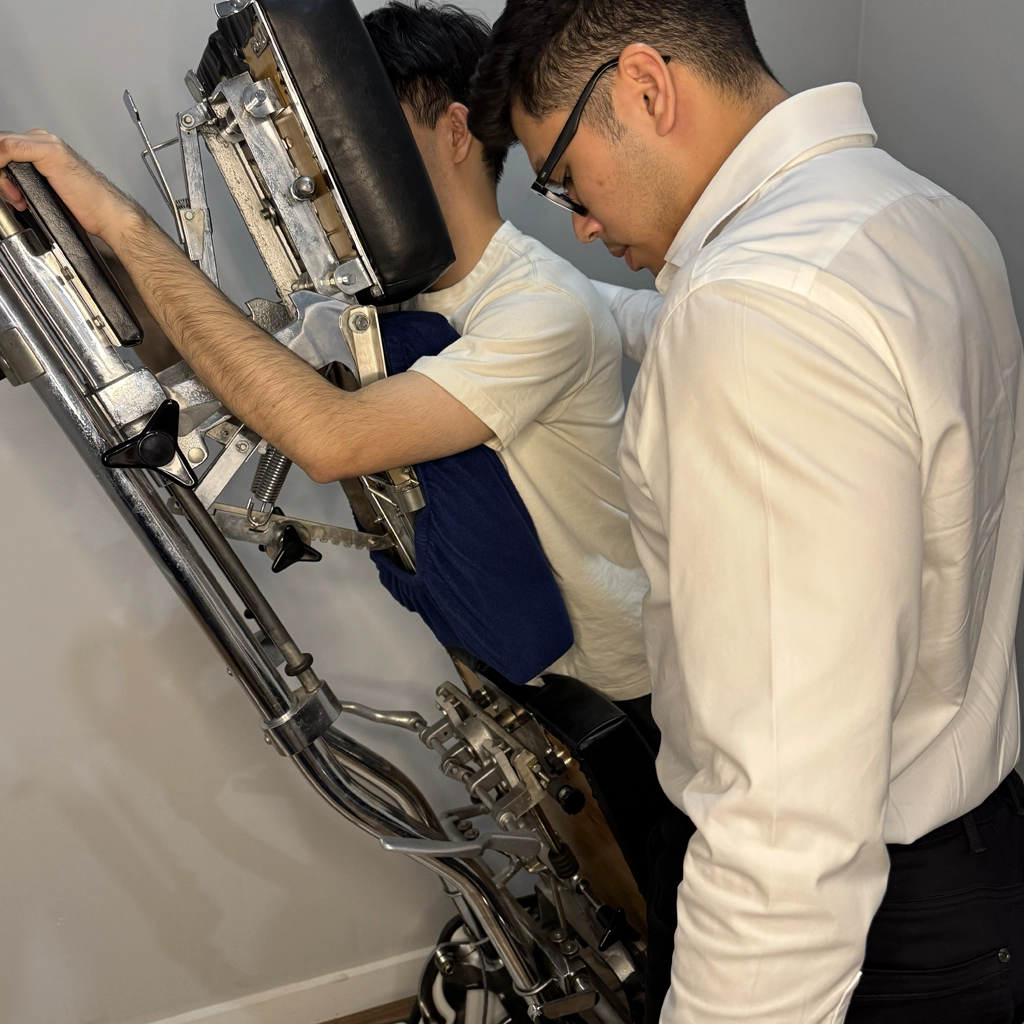
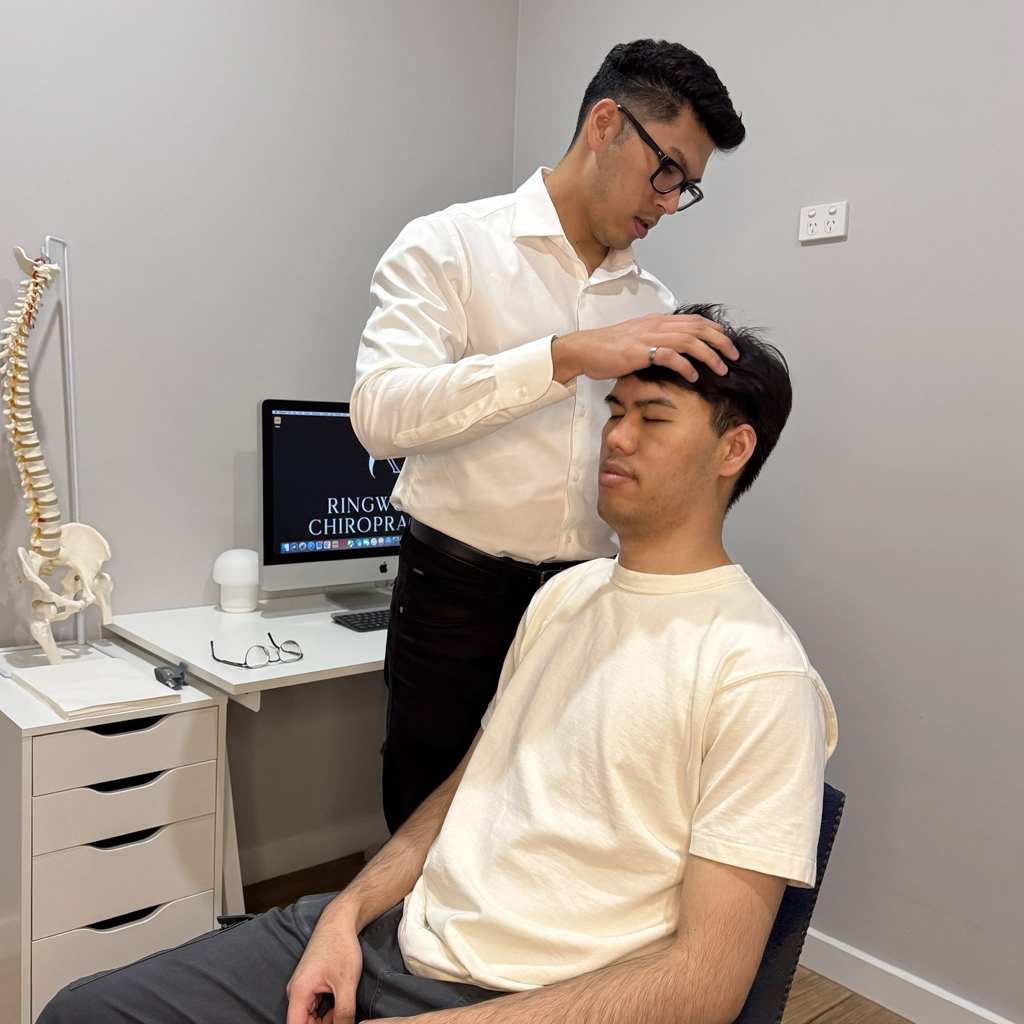
Specific Adjustments for Tension Relief
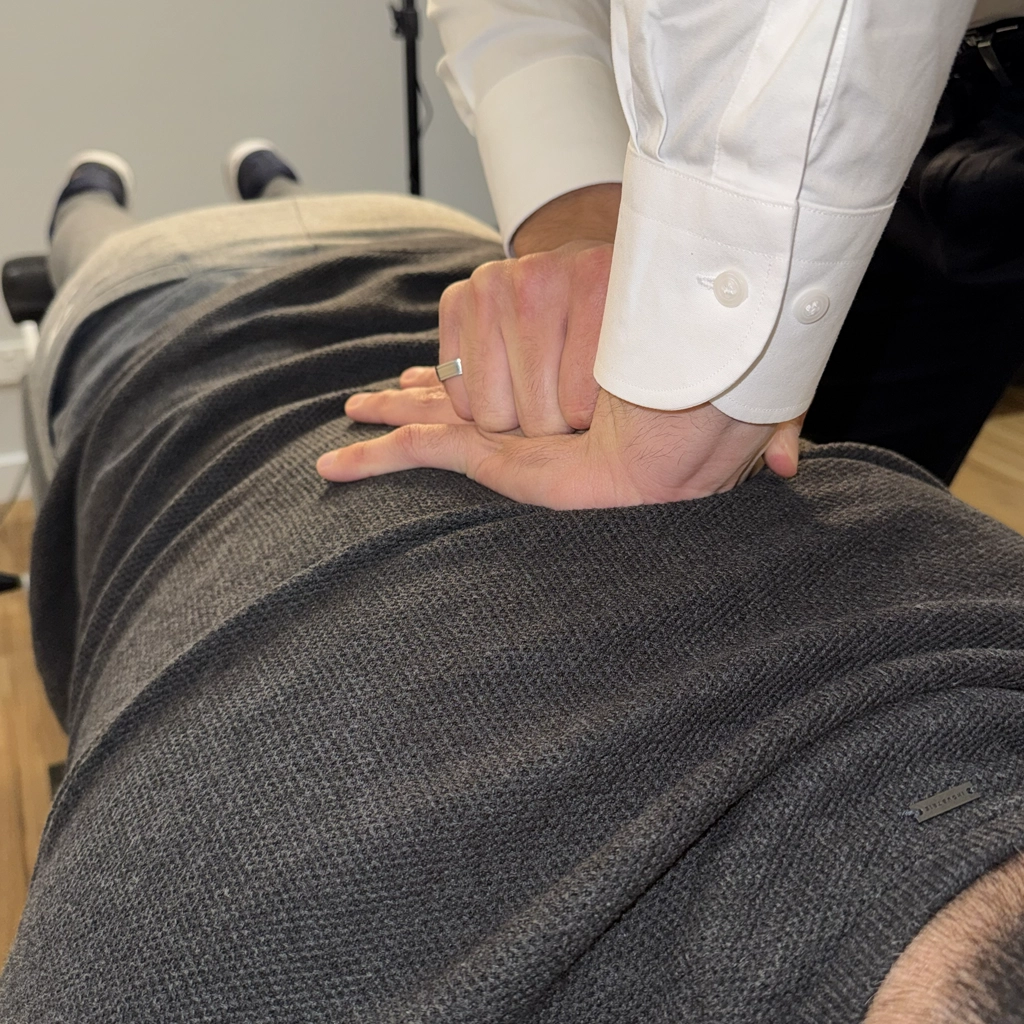
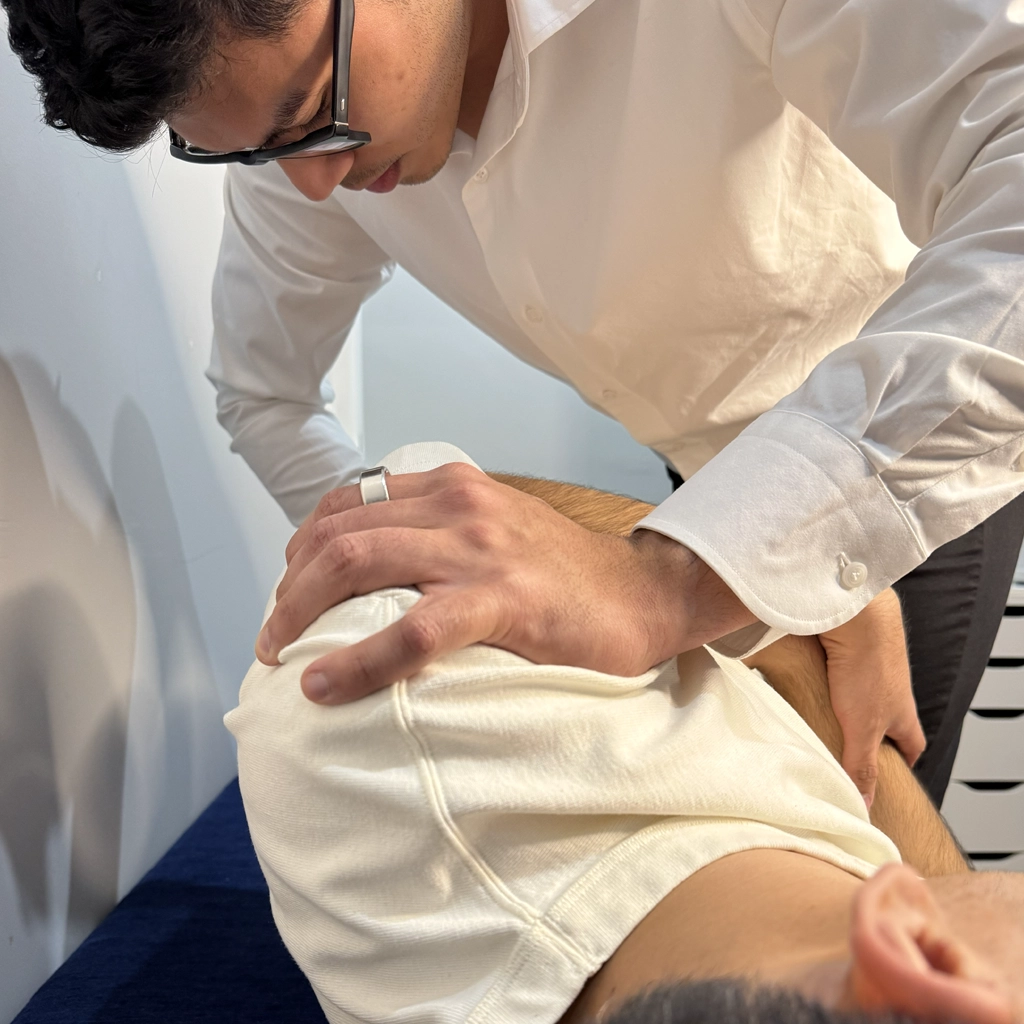
The Gonstead Method is renowned for its specificity and minimal force. The adjustment is delivered to correct only the specific misalignment found. For TTH, this often involves:
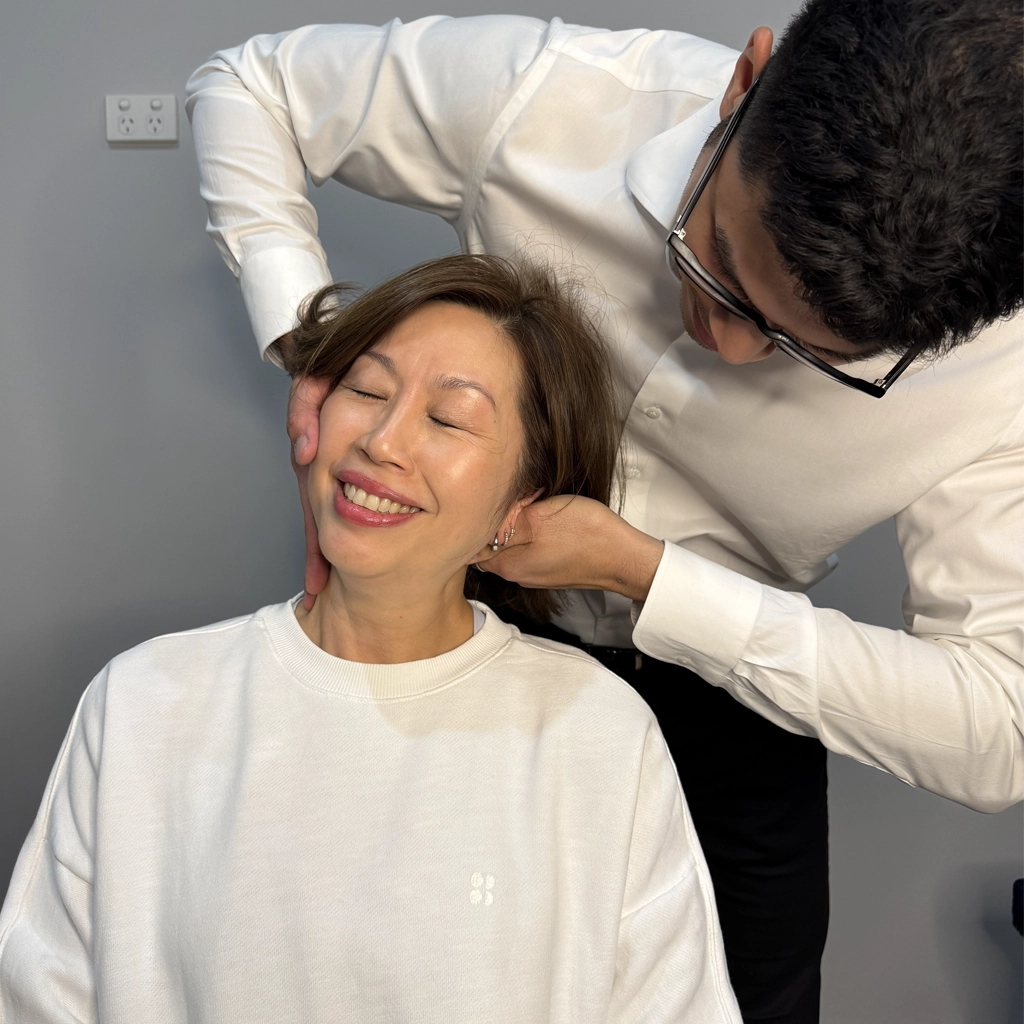
- Upper Cervical Adjustments: Targeting the top vertebrae (C1/Atlas and C2/Axis) to remove interference affecting the overall tension of the surrounding musculature.
- Thoracic Adjustments: Correcting misalignments in the mid-back (T1–T4) and ribs to restore mobility and de-tension the large postural muscles that anchor the neck (e.g., Trapezius and Rhomboids).
By applying precise adjustments to restore proper motion and correct the misalignment, chiropractic treatment for tension type headache at our clinic aims to:
- Reduce nerve irritation and inflammation pinpointed by the Nervo-Scope.
- Directly interrupt the chronic peripheral pain signals caused by joint restriction and muscle tension.
- Restore natural spinal function and support better posture, reducing the biomechanical triggers for recurrence.
Clinical evidence supports this structural approach: Spinal Manipulative Therapy (SMT) has been shown to have an effect comparable to commonly used first-line prophylactic prescription medications for tension-type headache.
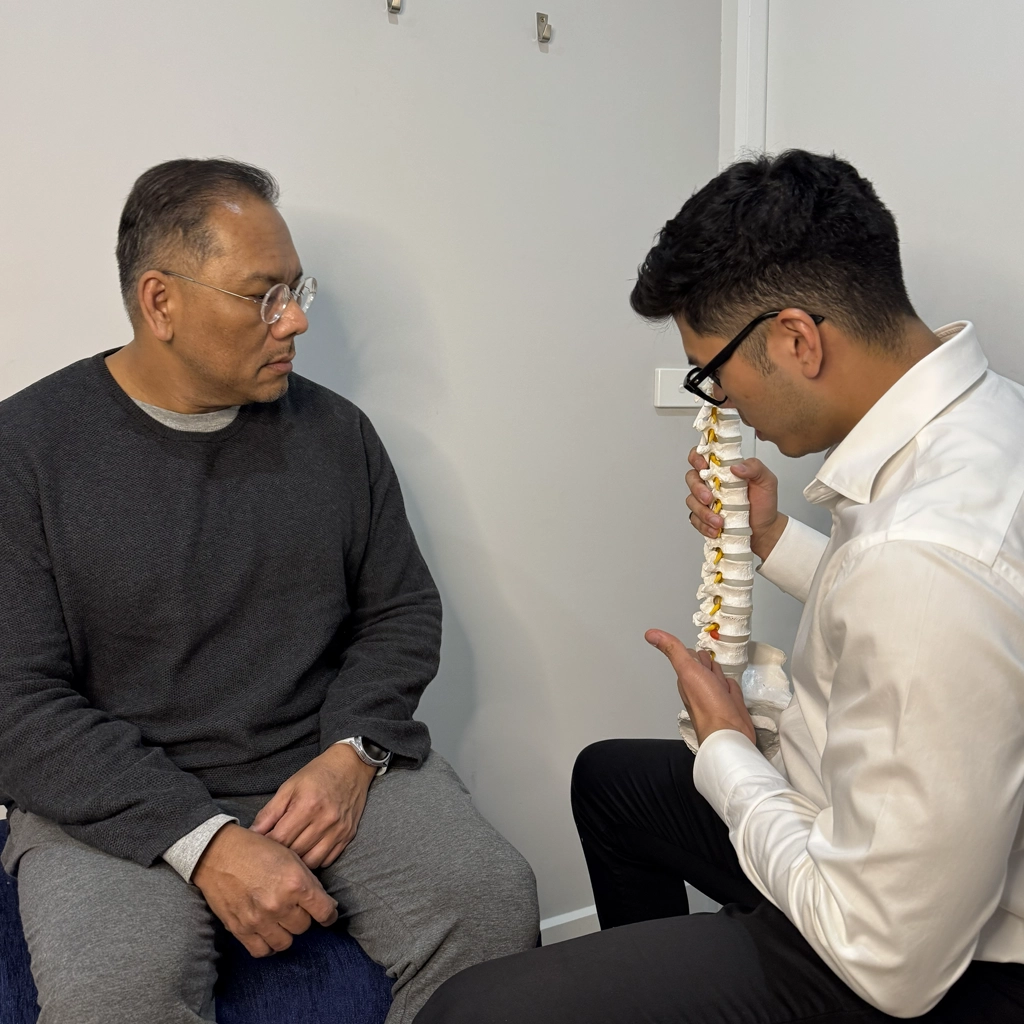
Recovery, Management & Prevention
Achieving lasting tension type headache relief requires both targeted structural correction and a committed approach to managing lifestyle factors that perpetuate muscle tension.
Recovery Timelines and Non-Pharmacological Management
While the prognosis for neck-related conditions is generally favourable in the first six weeks, chronic TTH often requires a focused long-term strategy to desensitize the central nervous system.
Non-pharmacological interventions are the best-evidence approach for managing chronic headaches. These include:
- Chiropractic Care (SMT): To correct the structural component of the pain.
- Biofeedback and Relaxation: Biofeedback is a highly effective non-pharmacological intervention for reducing headache frequency and severity in chronic headache sufferers.
- Cognitive Behavioural Therapy (CBT): Studies indicate that CBT can be statistically significantly effective in improving headache-related outcomes, especially when combined with relaxation techniques.
Ergonomics and Prevention
We complement chiropractic care with practical advice to prevent recurrence :
- Correct Posture: Ensure your chair provides support and your feet are flat on the floor.
- Monitor Height: Place your monitor at eye level to prevent forward head posture and chronic muscle strain.
- Movement Breaks: Take frequent, short breaks from prolonged sitting to stretch the neck and upper back, resetting posture and relaxing tense muscles.

Your Next Steps
If you are suffering from persistent, dull headaches that are limiting your daily life, relying solely on medication is managing the symptom, not the cause. Early, precise structural intervention is key to interrupting the chronic tension cycle.
At Ringwood Chiropractic, Dr. Jarrett specialises in the detailed analysis of the Gonstead System. We are committed to locating the true cause of your pain and providing the highest level of specific, targeted care to restore your comfort and function.
If you’re seeking a tension type headache chiropractor, book your initial consultation today to start your journey toward lasting relief.
Conditions we may help with
Ringwood Chiropractic
Paediatric Chiropractor
Chiropractor During Pregnancy
Nerve Pain Issues
Headaches and TMJ Disorders
Knee Discomfort
Tennis/Golfer’s Elbow
Sciatica (Sciatic neuritis)
Carpal Tunnel Syndrome
Back Pain - Upper/Lower
Neck Pain/ Shoulder Pain
Bulged / Herniated Disc
Vertigo (BPPV)
Frequently asked questions
Your questions
answered.
What causes tension type headache?
Tension headaches are primarily caused by chronic muscle contraction and tenderness in the neck, shoulders, and head (pericranial muscles). If this tension persists, it can lead to central sensitization, making the nervous system hyper-responsive to pain. Structural issues in the neck and upper back are often the mechanical trigger
Can chiropractic help with tension type headache?
Yes. Spinal Manipulative Therapy (SMT) is an evidence-based intervention for TTH. Studies show SMT has an effect comparable to common prophylactic medications. Our Gonstead adjustments restore movement to restricted neck and upper back joints, reducing chronic muscle tension and interrupting the pain cycle.
What makes the Gonstead method different for headache treatment?
The Gonstead system is known for its precision. Dr. Jarrett uses objective tools like the Nervo-Scope to detect areas of nerve inflammation and inflammation in the spine, ensuring the adjustment targets the precise vertebral misalignment causing the chronic muscle tension. This highly specific approach avoids unnecessary manipulation and is tailored to your structural needs.
How long does it take to see improvement?
Improvement time varies depending on whether your TTH is episodic or chronic. Functional improvements are often seen within the first six weeks of targeted care. Dr. Jarrett will create a personalized care plan after your initial Gonstead assessment, which may include home exercises and ergonomic changes to ensure long-term relief.
Should I seek other non-pharmacological therapies for my TTH?
Yes. Best evidence supports a multidisciplinary approach for chronic pain. In addition to specific chiropractic adjustments, studies show great efficacy for non-pharmacological interventions like biofeedback, relaxation techniques, and Cognitive Behavioural Therapy (CBT) for managing the chronic nature of TTH.
Our location
Where we are located
Ringwood Chiropractic
139B Wantirna Road, Ringwood VIC 3134, Australia
Parking Information
Convenient on-site parking is available for patients, with additional spaces located on nearby streets. Please allow a few extra minutes during peak times to find a spot.
Take the First Step Toward Relief
You don’t have to live with pain or discomfort holding you back, your solution is closer than you think.